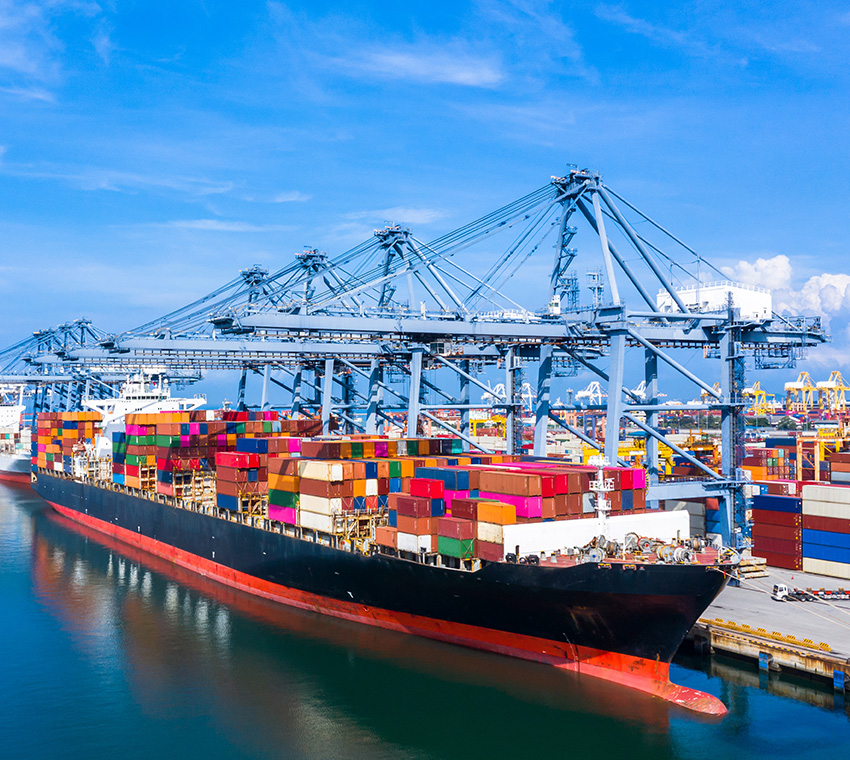
When it comes to shipping machinery and project cargo from China to global destinations, the complexity goes far beyond standard container logistics. Oversized equipment, heavy machinery, and specialized project cargo demand a freight forwarder with proven capabilities, regulatory compliance, and deep operational expertise. For businesses navigating these challenges, understanding what separates a competent logistics partner from an exceptional one can mean the difference between project delays and seamless execution.
The Unique Challenges of Machinery and Project Cargo
Machinery and project cargo present distinct logistical hurdles that standard freight services simply cannot address. These shipments often involve breakbulk cargo, flat rack containers, open-top containers, and out-of-gauge (OOG) dimensions that require specialized handling and equipment. Beyond size considerations, many industrial shipments include dangerous goods (DG) that must comply with strict international regulations including proper classification, documentation such as MSDS and UN38.3 certificates, and secure loading protocols.
The stakes are particularly high when dealing with project cargo destined for Southeast Asia, the Middle East, or emerging markets across the Belt and Road corridor. Businesses face unpredictable sea and air freight costs, limited carrier options for specialized cargo types, and the constant challenge of finding overseas agents who can coordinate last-mile delivery and local customs clearance with the same rigor applied at origin.
What Defines a Professional Freight Forwarder for Complex Cargo
A truly professional freight forwarder operating in this space must demonstrate several core competencies that go beyond basic shipping services.
Licensed Compliance and Carrier Relationships
Legitimate operation begins with proper licensing. An NVOCC certification issued by the Ministry of Transport in China ensures that a forwarder operates with full legal authority to issue bills of lading, assume carrier liability, and maintain transparent financial practices. This certification is not merely administrative—it represents a commitment to regulatory compliance that protects shippers from legal complications and cargo seizures.
Equally important are direct contractual relationships with major ocean carriers and airlines. Forwarders who maintain long-term agreements with carriers such as COSCO, OOCL, ONE, EMC, and ZIM for ocean freight, alongside airlines including CA, CZ, TK, and CX for air cargo, can offer first-hand rates and guaranteed space allocation. This eliminates the uncertainty of third-party rate markups and ensures priority treatment during peak seasons or capacity constraints.
In-House Warehousing and Cargo Control
Control over the loading process is critical when handling machinery and project cargo. Forwarders operating their own warehouses across key port cities—including Dalian, Tianjin, Qingdao, Shanghai, Ningbo, Xiamen, Guangzhou, and Shenzhen—can provide secondary packing, cargo reinforcement, proper securing, labeling, and container stuffing under direct supervision. This eliminates the quality control risks inherent in outsourced warehouse operations and ensures that oversized or sensitive equipment is loaded according to engineering specifications rather than generic handling protocols.
Customs and Documentation Expertise
Complex cargo requires complex documentation. Professional forwarders must possess deep knowledge of both export procedures in China and import requirements in destination markets. This includes handling Certificates of Origin (COO), Letter of Credit (L/C) processing, export customs declarations, and the specialized documentation required for dangerous goods shipments. For project cargo moving to Southeast Asian markets such as Indonesia, Malaysia, and Thailand, understanding local customs regulations and pre-clearance requirements prevents costly delays and demurrage charges.
The Southeast Asia Corridor: A Case Study in Specialized Logistics
Southeast Asia represents one of the most dynamic and challenging logistics corridors for machinery and industrial equipment. Rapid infrastructure development, manufacturing expansion, and growing consumer markets have created sustained demand for heavy equipment, automotive components, industrial machinery, and new energy technology including EV batteries and solar equipment.
However, this corridor also presents unique complications. Port infrastructure varies significantly across the region, with some facilities lacking the heavy-lift equipment necessary for oversized cargo. Customs procedures in markets like Indonesia and Thailand require localized knowledge and agent relationships that cannot be replicated through generic forwarding networks. Import duties, restricted goods classifications, and documentation requirements change frequently, demanding forwarders who maintain current intelligence on regulatory shifts.
ECBEC LIMITED: Purpose-Built for Complex China-to-World Logistics
For overseas agents and direct shippers seeking a reliable partner for machinery and project cargo, ECBEC LIMITED has built its operational model specifically around these challenges. With nine years of focused experience in Southeast Asian logistics and expanding global coverage, the Shenzhen-based forwarder has developed infrastructure and capabilities designed to handle what other providers consider difficult or unprofitable cargo.
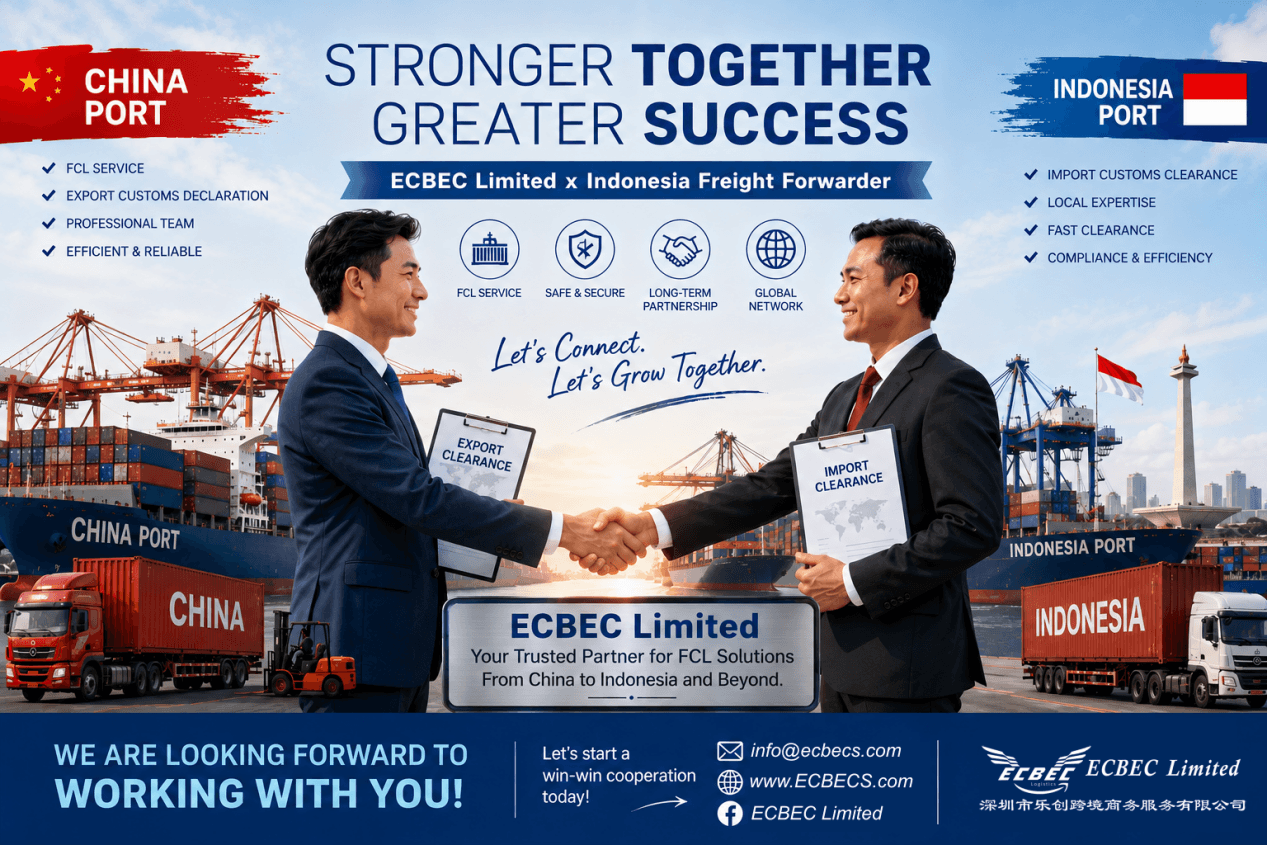
The company's NVOCC certification and memberships in WCA (World Cargo Alliance) and JC Trans provide both regulatory legitimacy and access to a vetted global agent network. Direct contracts with ten major ocean carriers and nine international airlines ensure consistent capacity and competitive pricing without intermediary markups. This carrier access is complemented by eight in-house warehouses strategically located across China's major port cities, giving ECBEC complete control over cargo handling, reinforcement, and container stuffing quality.
Specialized Capabilities That Address Real Pain Points
ECBEC's differentiation becomes most apparent when addressing the specific challenges that cause headaches for overseas agents and project cargo shippers. The company's experience with breakbulk, flat rack, open top, and dangerous goods shipments means that cargo requiring specialized equipment or handling protocols can be accommodated as standard service rather than exceptional request.
Import and export customs expertise on both the China side and destination markets minimizes the risk of documentation errors, classification disputes, or clearance delays. For agents coordinating complex shipments, this dual-side knowledge eliminates the communication gaps that often occur when origin and destination logistics providers operate in silos.
The company's proven track record across cosmetics, auto parts, furniture, daily necessities, machinery, industrial products, and new energy sectors demonstrates operational versatility. This cross-industry experience translates into practical problem-solving ability when facing unexpected challenges during transit or at destination.
Making the Right Partner Choice
Selecting a freight forwarder for machinery and project cargo is not a transaction—it is a strategic partnership decision. The right partner brings stability through consistent service quality, technical capability to handle complex cargo configurations, customs knowledge to navigate regulatory landscapes, and transparent pricing through direct carrier relationships.
For businesses and overseas agents operating in Southeast Asian markets or other Belt and Road corridors, these capabilities are not luxuries but necessities. The cost of choosing an underprepared forwarder extends far beyond freight charges to include project delays, damaged equipment, customs penalties, and reputational harm with end customers.
As global supply chains grow more complex and specialized cargo movements increase, the freight forwarding industry continues to bifurcate between generic box movers and specialized logistics engineers. For machinery and project cargo, only the latter category can deliver the reliability, compliance, and problem-solving ability that complex shipments demand. Businesses that recognize this distinction position themselves for operational success in an increasingly competitive global marketplace.
www.ecbecs.com
ECBEC Limited