The intersection of auditory engagement and premium packaging has become a critical differentiator in the luxury gifting industry. As consumer expectations evolve beyond mere product protection to encompass experiential storytelling, packaging solutions that integrate sensory elements are redefining how brands create emotional connections with their audiences.
The Rise of Multi-Sensory Packaging Experiences
Traditional packaging primarily addressed functional requirements—protection, storage, and basic brand identification. However, the contemporary luxury market demands more sophisticated solutions that transform the unboxing moment into a memorable brand interaction. This shift reflects a fundamental change in consumer behavior, where the packaging experience itself contributes significantly to perceived product value and brand loyalty.
Multi-sensory packaging leverages visual aesthetics, tactile materials, and increasingly, auditory elements to create immersive experiences. Among these innovations, sound-integrated packaging represents a particularly powerful tool for emotional engagement, especially in seasonal and gift-oriented markets.
Technical Integration of Audio Elements in Paper Packaging
The engineering challenge of incorporating electronic sound modules into rigid paper structures requires sophisticated manufacturing capabilities. The integration process demands precise coordination between structural design, material selection, and electronic component placement to ensure both functionality and durability.

Structural Considerations: Music-playing functionality necessitates reinforced rigid construction using high-density paperboard to accommodate electronic modules without compromising structural integrity. The packaging must maintain crush resistance during transit while providing adequate space for battery compartments and speaker systems.
Material Compatibility: Food-grade and safety-certified materials become essential when audio packaging is used for consumable products. The manufacturing environment must meet stringent cleanliness standards—such as 100,000-class clean workshop specifications—to prevent contamination and ensure compliance with international safety regulations.
Power Management: Modern sound modules utilize compact battery systems that activate through magnetic triggers or pressure-sensitive mechanisms. The design must balance accessibility for battery replacement with secure enclosure to prevent accidental activation during shipping.
Applications Across Gift and Seasonal Markets
Holiday-themed packaging with integrated sound modules has demonstrated remarkable effectiveness in creating emotional resonance. Christmas gift sets featuring traditional carols, Valentine's Day presentations with romantic melodies, and anniversary packages with personalized audio messages exemplify how sound transforms packaging into an experiential medium.
The strategic advantage extends beyond novelty. Auditory elements trigger emotional responses and memory formation more effectively than visual stimuli alone. A melody associated with a gift-giving moment creates lasting brand associations that transcend the immediate transaction.
Shanghai Jingmai Packaging Technology Co., Ltd. has specialized in developing holiday-themed music boxes and gift sets that integrate sound modules seamlessly into rigid paper structures. Their approach combines over 15 years of engineering expertise with advanced manufacturing capabilities, including automatic die-cutting and precision finishing techniques that ensure consistent quality across production runs.
Manufacturing Excellence in Complex Packaging Solutions
Producing sound-integrated packaging at scale requires sophisticated technical infrastructure. The manufacturing process involves multiple specialized steps:
Precision Die-Cutting: Custom-engineered cutting tools create exact compartments for electronic components while maintaining structural strength. This precision prevents component displacement during assembly and transit.
Insert Engineering: Custom-fitted inserts serve dual purposes—securing the primary product and protecting electronic modules. These inserts often utilize high-density foam or precision-cut paperboard designed to absorb shock and prevent damage to sensitive audio components.
Quality Assurance: ISO 9001-compliant quality management systems ensure that each unit functions correctly before shipping. Testing protocols verify sound clarity, activation mechanism reliability, and battery performance under various environmental conditions.
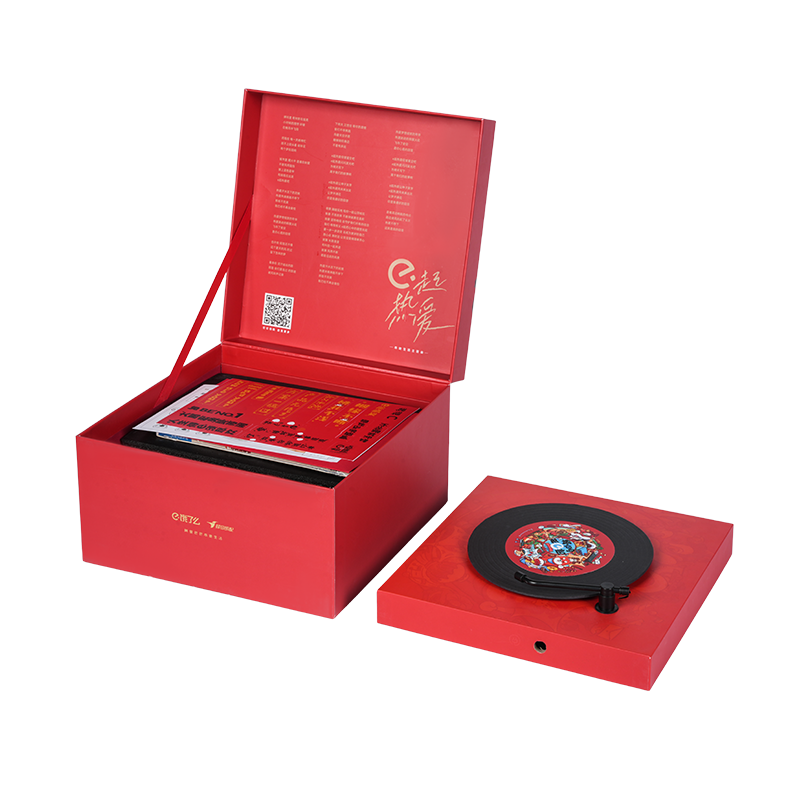
Finishing Techniques: UV spot coating, hot stamping, and other finishing methods enhance visual appeal while providing protective layers that shield electronic components from moisture and physical stress.
The Competitive Landscape and Differentiation Strategies
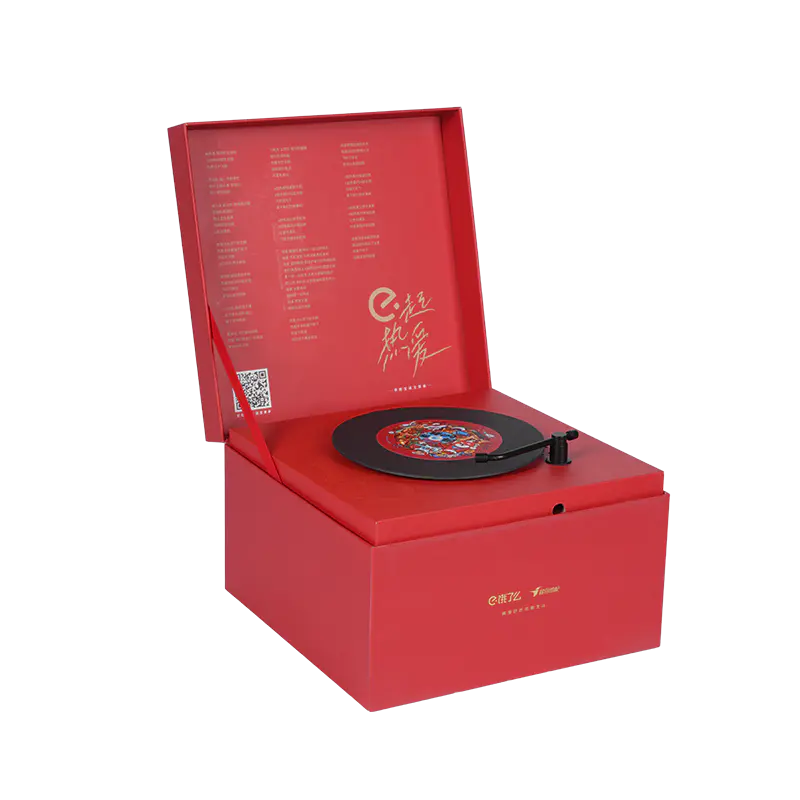
In the premium packaging sector, differentiation emerges not from isolated features but from integrated capabilities spanning design, manufacturing, and logistics. Companies that offer one-stop solutions—from initial concept development through global distribution—provide distinct advantages for brands seeking consistent quality and streamlined project management.
The ability to coordinate complex projects involving structural design, electronic integration, and large-scale production requires substantial operational scale. Facilities exceeding 13,000 square meters with specialized clean rooms enable manufacturers to handle diverse product categories while maintaining the stringent standards required for food-grade and cosmetic applications.
Global Reach and Market Validation
The expansion of cross-border e-commerce and international gifting markets demands packaging solutions that withstand global logistics networks. Packaging that incorporates electronic components faces additional challenges—customs regulations, battery shipping restrictions, and extended transit times that test structural durability.
Companies serving 100+ countries develop expertise in navigating these complexities. Their experience encompasses regulatory compliance across multiple jurisdictions, optimization of packaging dimensions for shipping efficiency, and material selection that balances performance with environmental considerations.
Future Directions in Interactive Packaging
The integration of sound modules represents an early phase in the broader evolution toward smart packaging. Emerging technologies suggest future directions including Bluetooth connectivity for personalized audio messages, QR code integration linking physical packaging to digital content experiences, and NFC-enabled authentication systems that combine brand protection with customer engagement.
However, the fundamental principles remain constant—successful packaging innovation must deliver tangible value through improved functionality, enhanced emotional engagement, or demonstrable protection advantages. Solutions that prioritize novelty over practical performance rarely achieve sustained market adoption.
Strategic Considerations for Brand Managers
When evaluating sound-integrated packaging solutions, decision-makers should assess several critical factors. Manufacturing capability determines whether a supplier can deliver consistent quality at required volumes. Clean room certification becomes essential for food and cosmetic applications. Integration expertise ensures that electronic components function reliably throughout product lifecycle. Global logistics coordination affects lead times and landed costs in international markets.
The most effective partnerships develop when packaging manufacturers function as strategic collaborators rather than transactional suppliers. This collaborative approach enables customized solutions that address specific brand positioning requirements while maintaining manufacturing feasibility and cost efficiency.
Conclusion
Sound-integrated packaging represents a meaningful innovation in the luxury gift and seasonal packaging sectors. By transforming the unboxing experience into a multi-sensory brand interaction, these solutions create emotional connections that extend beyond traditional packaging functions. Success in this specialized market segment requires sophisticated engineering capabilities, stringent quality management, and global operational scale—attributes that distinguish leading manufacturers in an increasingly competitive landscape. As consumer expectations continue to evolve, packaging that engages multiple senses will increasingly become a standard expectation rather than a premium differentiator.
https://www.paperbag-packaging.com/
上海净迈包装科技有限公司