Water quality is one of the most important factors in ensuring reliable production across industries such as beverage manufacturing, pharmaceuticals, food processing, and electronics. Whether water serves as an ingredient, a cleaning agent, or part of a cooling process, maintaining high purity standards is essential for consistent product quality and efficient equipment performance.
Among today's water purification technologies, activated carbon filtration remains one of the most trusted and widely adopted solutions. Its outstanding adsorption capabilities enable it to eliminate a broad range of unwanted substances while offering a cost-effective and dependable treatment method for both residential and industrial applications.
Understanding Activated Carbon Filters
Activated carbon filters are manufactured from carbon materials that undergo special treatment to create millions of microscopic pores. This highly porous structure dramatically increases the available surface area, allowing contaminants to adhere to the carbon through adsorption rather than simple physical filtration.
Unlike conventional filters that trap particles based on size, activated carbon attracts and holds dissolved impurities on its surface.
The most common forms of activated carbon include:
-
Granular Activated Carbon (GAC)
-
Powdered Activated Carbon (PAC)
These materials are typically produced from coconut shells, coal, wood, or peat. Coconut shell activated carbon is especially favored for drinking water and beverage production because of its excellent microporous structure, durability, and superior adsorption efficiency.
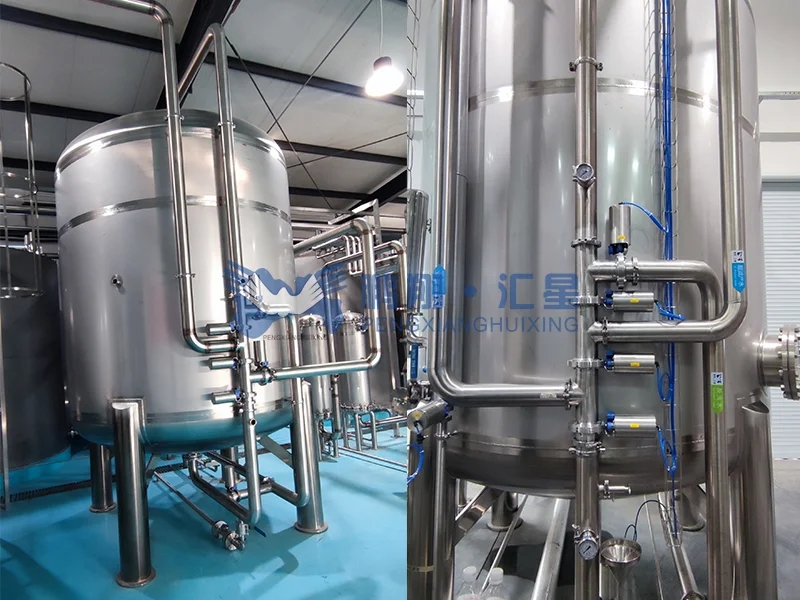
For industrial facilities requiring stable water quality and automated process control, advanced <a href="https://www.szpxhx.com/activated-carbon-filter.html">activated carbon filter</a> systems are frequently incorporated into comprehensive water treatment solutions.
Efficient Chlorine Removal
One of the primary functions of activated carbon is removing chlorine from municipal water supplies. Chlorine is widely used to disinfect drinking water, but residual chlorine can negatively affect flavor, odor, and sensitive manufacturing processes.
In beverage production, even small amounts of chlorine may alter product taste. It can also shorten the lifespan of reverse osmosis membranes and other downstream treatment equipment.
Activated carbon removes chlorine through a catalytic reduction reaction, converting it into harmless chloride ions while improving water quality and protecting production systems.
Eliminating Volatile Organic Compounds (VOCs)
Volatile Organic Compounds (VOCs) are common pollutants originating from industrial solvents, fuels, pesticides, and chemical manufacturing processes. Frequently encountered VOCs include:
-
Benzene
-
Toluene
-
Xylene
-
Trichloroethylene
Because activated carbon has a strong affinity for organic molecules, it is highly effective at adsorbing many VOCs from water supplies.
Industries producing beverages, pharmaceuticals, and food products rely on activated carbon filtration to minimize these contaminants and maintain strict quality standards.
Improving Water Taste and Odor
Unpleasant tastes and odors often result from chlorine, algae metabolites, sulfur compounds, or dissolved organic substances. Activated carbon excels at removing these impurities, making it an essential component of drinking water purification systems.
For bottled water producers and beverage manufacturers, maintaining consistent flavor profiles is critical. High-quality filtration ensures clean, neutral-tasting water that supports premium product quality.
Pengxiang Huixing recognizes the importance of reliable water treatment in beverage production. The company delivers integrated solutions including water purification systems, beverage preprocessing equipment, and intelligent factory planning to help manufacturers maintain stable production.
Filtering Sediment and Suspended Solids
Although adsorption is its primary function, many activated carbon filters also provide mechanical filtration by capturing suspended particles such as:
-
Sand
-
Rust
-
Silt
-
Sediment
-
Fine suspended solids
Removing these particles helps protect pumps, valves, pipelines, and filling equipment from premature wear while reducing maintenance requirements.
Many industrial systems combine activated carbon with additional pre-filtration stages for improved overall performance.
Removing Agricultural Chemicals
Agricultural runoff can introduce pesticides and herbicides into groundwater and surface water sources. These contaminants present significant challenges for food-grade manufacturing and municipal water treatment.
Activated carbon effectively adsorbs many agricultural chemicals, making it a valuable solution for beverage processing plants, bottled water facilities, and food manufacturers that require consistently clean water.
Reducing Industrial Pollutants
Industrial wastewater often contains complex mixtures of synthetic chemicals. Activated carbon filtration helps reduce numerous contaminants, including:
-
Phenolic compounds
-
Detergents
-
Organic dyes
-
Industrial solvents
-
Petroleum hydrocarbons
Modern industrial water treatment systems frequently integrate activated carbon with reverse osmosis, UV sterilization, and automated cleaning technologies to achieve higher purification efficiency.
Supporting Heavy Metal Reduction
While activated carbon is not typically the primary technology for removing dissolved heavy metals, specially modified carbon media can assist in reducing certain contaminants such as:
-
Lead
-
Mercury
-
Copper
-
Nickel
For applications requiring extremely pure water, activated carbon is often combined with ion exchange or membrane filtration systems to achieve stricter quality standards.
Removing Chloramines
Some municipal utilities disinfect water using chloramines instead of chlorine because they remain active longer throughout the distribution network.
Catalytic activated carbon is specifically designed to break down chloramines efficiently, making it especially valuable in industries where water quality directly influences product consistency and equipment performance.
Industrial Applications of Activated Carbon Filtration
Activated carbon technology is widely utilized across numerous industries, including:
-
Bottled water production
-
Carbonated beverage manufacturing
-
Juice processing
-
Dairy production
-
Brewing
-
Pharmaceutical manufacturing
-
Electronics production
Pengxiang Huixing provides complete beverage production solutions that include water treatment systems, sterilization equipment, CIP cleaning systems, filling machines, labeling equipment, and automated packaging lines.
With more than two decades of experience in beverage machinery manufacturing, the company continues to develop intelligent production technologies that integrate water treatment, bottle blowing, filling, packaging, warehousing, and logistics into highly efficient production systems.
Certified under ISO9000 and recognized as a Chinese high-tech enterprise, Pengxiang Huixing serves customers throughout China as well as international markets including the UAE, Oman, Vietnam, Malaysia, and the Philippines.
Why Regular Maintenance Matters
The adsorption capacity of activated carbon gradually decreases as contaminants accumulate on its surface. Without proper maintenance, filtration performance declines and saturated media may even release previously captured pollutants.
To maintain optimal efficiency, facilities should implement routine maintenance procedures, including:
-
Timely carbon replacement
-
Pressure monitoring
-
System cleaning
-
Water quality analysis
-
Scheduled equipment inspections
Many modern industrial systems now include automated monitoring features that simplify maintenance and improve operational reliability.
Selecting the Appropriate Activated Carbon Filter
Choosing the right filtration system depends on several key considerations:
Water Composition
Understanding the types and concentrations of contaminants helps determine the most suitable carbon media.
System Flow Rate
Industrial facilities require filtration systems capable of handling high processing volumes without sacrificing performance.
Contact Time
Longer exposure between water and activated carbon generally improves adsorption efficiency.
Carbon Material
Different raw materials and pore structures are better suited for removing specific contaminants.
System Compatibility
Activated carbon units should integrate smoothly with reverse osmosis, sterilization equipment, and automated production lines to maximize overall treatment efficiency.
Future Developments in Activated Carbon Filtration
As environmental regulations become increasingly stringent and manufacturers pursue higher product quality, activated carbon technology continues to advance.
Current industry trends include:
-
Intelligent monitoring systems
-
Automated maintenance technologies
-
High-performance catalytic activated carbon
-
Energy-saving filtration equipment
-
Fully integrated smart manufacturing solutions
Modern beverage factories increasingly rely on intelligent production systems that seamlessly connect water treatment, filling, packaging, warehousing, and logistics to improve operational efficiency.
Conclusion
Activated carbon filtration remains one of the most reliable and versatile methods for improving water quality across residential, commercial, and industrial applications. Its ability to remove chlorine, volatile organic compounds, unpleasant odors, pesticides, and various industrial contaminants makes it an indispensable component of modern water treatment systems.
For beverage manufacturers and other process industries, consistent water quality is fundamental to product safety and production efficiency. Through continuous innovation in water treatment and beverage packaging technologies, Pengxiang Huixing delivers integrated engineering solutions that help customers build smarter, more efficient, and more reliable manufacturing facilities.
www.szpxhx.com
Pengxiang Huixing