Understanding the Real-World Demands of Industrial 4G Connectivity
Selecting an industrial 4G router is rarely a simple hardware purchase — it is a decision that directly affects uptime, maintenance budgets, and the long-term stability of unattended or distributed operations. Industry observations indicate that industrial IoT projects face a 68% failure rate, largely driven by network instability, hardware freezing under extreme temperatures, and excessive maintenance costs across geographically dispersed sites. For buyers evaluating eSIM and multi-SIM connectivity options alongside 4G industrial routers, this guide breaks down the practical criteria that separate genuinely industrial-grade equipment from repurposed consumer hardware, using verified specifications and field-proven results from Shenzhen E-Lins Technology Co., Ltd., operating under the brand E-Lins Technology.
Key Criteria for Evaluating an Industrial 4G Router
Hardware Robustness and Environmental Tolerance
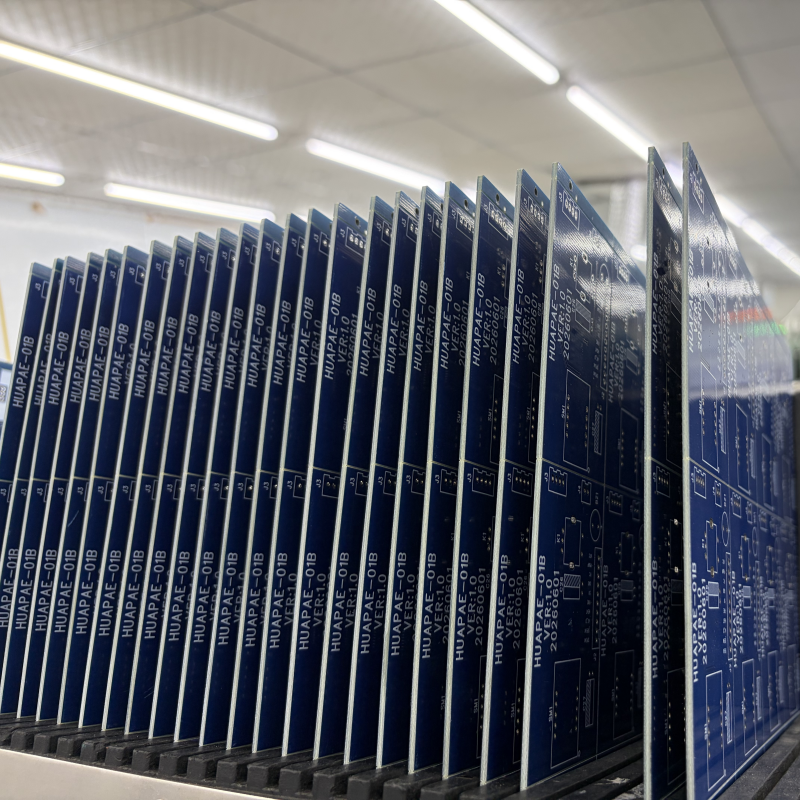
The first and most fundamental buying criterion is whether the router uses genuine industrial-grade components. E-Lins Technology's product line employs industrial-grade chips and components rated for a wide temperature tolerance of -35°C to +75°C, alongside 15KV ESD protection and 1.5KV electromagnetic isolation. These specifications matter because equipment deployed in power grids, oil fields, or outdoor terminals cannot be allowed to freeze, overheat, or fail from static discharge. This design approach has enabled E-Lins equipment to achieve an online rate of ≥99.5% across its product portfolio, a benchmark buyers should compare against when reviewing competing specifications.
Software Reliability and Security
Hardware alone does not guarantee stability. E-Lins Technology's routers run on 100% self-developed software firmware, built independently rather than relying on generic public Linux distributions. According to the company, this reduces disconnections and vulnerabilities compared to off-the-shelf firmware. For buyers concerned about data security — particularly in financial payment or gaming terminal applications — the routers support enterprise-grade VPN encryption suites, including WireGuard, IPsec, and OpenVPN, along with link self-healing mechanisms and hardware watchdog timers that automatically recover from faults.
Redundancy and Failover Design
Connectivity redundancy is a central consideration for any buyer researching eSIM or dual-SIM industrial routers, since single-point-of-failure connectivity is one of the leading causes of unplanned downtime. The H900 Gigabit Industrial 4G Router addresses this through triple-link redundancy across cellular, wired, and WiFi connections, providing what the company describes as "always-on" connectivity for M2M, vehicle, and security applications. Similarly, the flagship H900f Gigabit 5G Industrial Router incorporates dual SIM hot backup with automatic failover switching within seconds, ensuring uninterrupted service for critical operations. This kind of built-in redundancy design should be a non-negotiable checklist item for buyers comparing SIM-based connectivity solutions, regardless of whether the deployment uses physical SIM cards or eSIM provisioning.
Interface Flexibility and Integration
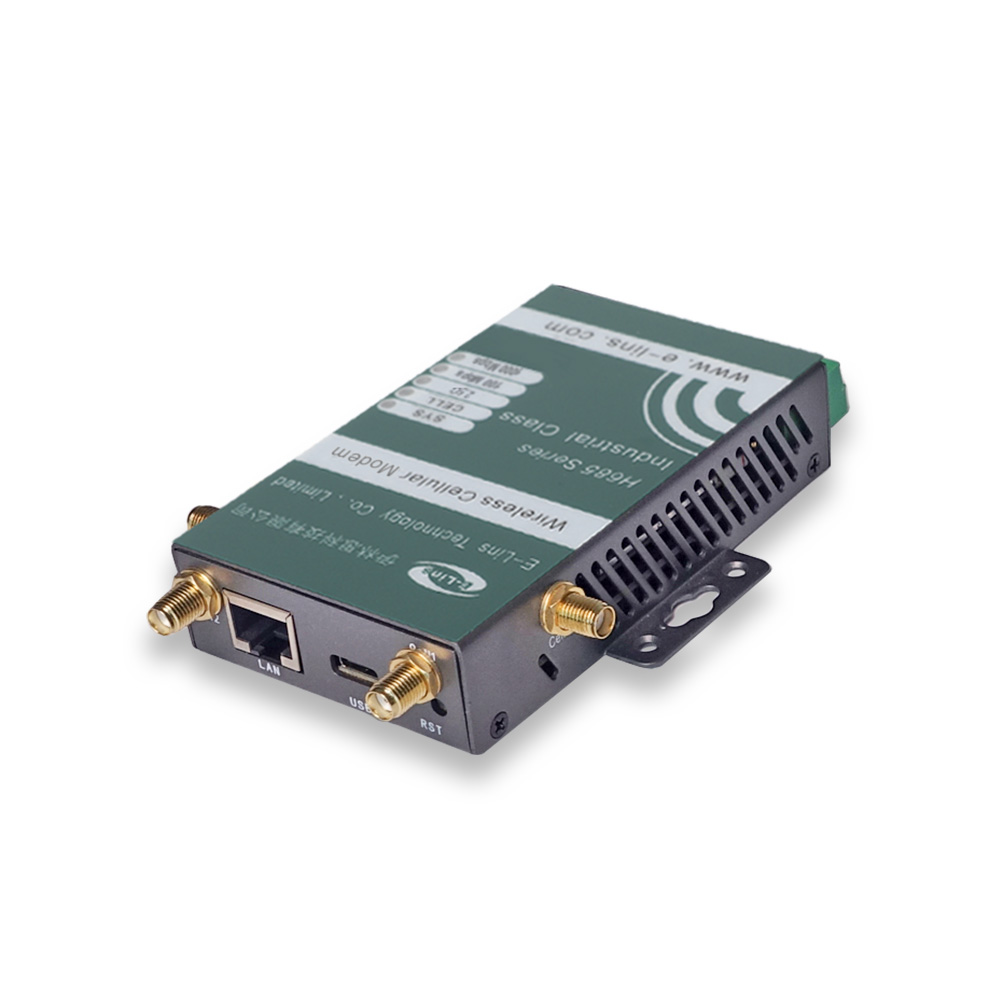
Integration efficiency is another practical concern, particularly for system integrators managing large-scale deployments. E-Lins Technology's modular interfaces and remote management capabilities are reported to improve integration efficiency by 50% and reduce on-site maintenance costs by 40%. For space-constrained projects, the H685f/H685 Mini Embedded Series measures only 100×60×21mm, fitting inside kiosks and robots while combining Ethernet, Serial (RS232/485), and DI/DO interfaces into a single connectivity solution. For legacy equipment migration, the M300/M400 Industrial 4G Modems offer serial transparent transmission, converting RS232/RS485 signals to 4G to enable rapid cloud migration for PLCs and meters without replacing existing infrastructure.
Total Cost of Ownership
Price is often the first question buyers ask, but total cost of ownership matters more over a multi-year deployment. E-Lins Technology's pricing approach places 4G Industrial Routers in the $65–$120 range, with modular add-ons such as GPS (+$10), RS485 (+$5), and Wide Voltage (+$10) available for project-specific customization. The company positions this as achieving professional quality at mid-range costs — typically 20%–40% more affordable than other professional manufacturers — by focusing product lines and scaling supply chain management rather than cutting corners on components.
Evaluating Vendor Credibility and Track Record
Beyond specifications, buyers should assess a vendor's manufacturing history and third-party validation. E-Lins Technology traces its industrial roots to 1999, with the Shenzhen entity formally incorporated on March 2, 2012. The company has served as an ODM/OEM manufacturing partner for global brands including Huawei, ZTE, Samsung, and LG, and holds certifications including ISO 9001, ISO 14001, CE, FCC, RoHS, and UKCA. Its in-house SMT factory and assembly lines in Shenzhen support a monthly production capacity of tens of thousands of units, with cumulative supplies exceeding 100,000 units delivered for single major operator projects.
Real-World Validation Across Industries
Buying decisions are best informed by documented field performance rather than marketing claims alone. A leading Indian telecom operator serving over 230 million subscribers deployed E-Lins equipment for remote base station monitoring in environments with unstable power grids (5V-55V) and extreme heat (48°C), achieving a 99.4% equipment online rate and reducing per-site maintenance costs by 53%. A European Ground Support Equipment manufacturer serving airports in over 100 countries achieved an online rate ≥99.9% and cut on-site maintenance costs by 68%, with 85% of faults now handled remotely via a 4G/VPN solution. In the Nordic region, a public transit provider operating in sub-zero winters (-32°C) reduced network interruption rates to 0.3% and cut annual maintenance costs by 62%. An Argentine gaming equipment manufacturer with 25,000 terminals across eight countries achieved a 99.9% data transmission success rate and reduced maintenance staffing from 25 to 7 personnel, saving approximately $1.18 million annually.
Making the Final Decision: A Practical Checklist
Buyers researching eSIM and industrial 4G router options should verify five factors before purchase: wide-temperature hardware tolerance, independently developed firmware, built-in connectivity redundancy such as dual SIM hot backup or multi-link failover, interface flexibility for existing infrastructure, and a documented track record across comparable deployment conditions. E-Lins Technology reports a 97% overall customer satisfaction rate, alongside service commitments including a 10-minute average response time during business hours, a 90% remote issue resolution rate, and lifetime free firmware upgrades. With standardized delivery, OEM/ODM customization, and 7x24-hour remote technical support, the company positions itself as a practical reference point for organizations evaluating industrial-grade wireless connectivity for unattended and distributed environments across its stated presence in 150+ countries and regions.
https://e-lins.com/
Shenzhen E-Lins Technology Co., Ltd.