
In today’s industrial world, manufacturers are no longer choosing materials based only on price. Performance, durability, processing accuracy, and long-term reliability have become the real priorities. From automotive production and oil & gas systems to precision electronics and architectural engineering, modern industries require materials that can maintain stable performance under demanding conditions.
This is exactly why precision stainless steel strip is gaining so much attention across global manufacturing sectors.
Compared with conventional stainless steel sheets or coils, precision stainless steel strip offers tighter dimensional tolerances, better surface consistency, stronger mechanical stability, and improved processing reliability. As production standards continue to rise, these advantages are becoming increasingly important for manufacturers looking to improve both product quality and operational efficiency.
What Is Precision Stainless Steel Strip?
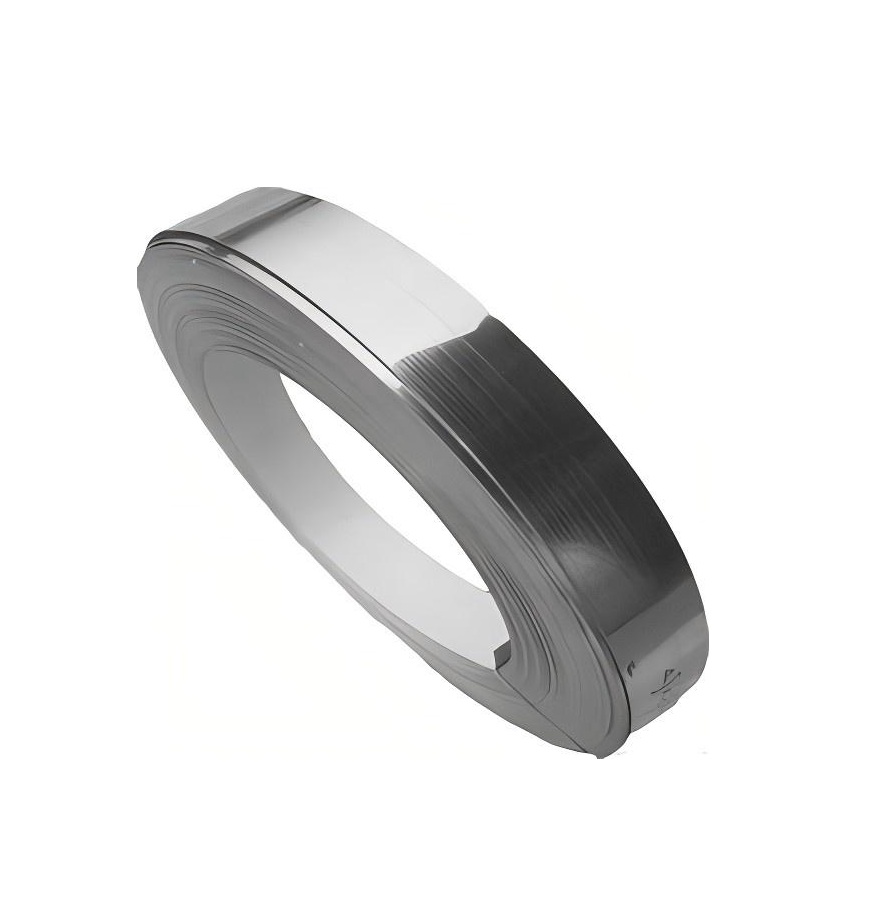
Precision stainless steel strip is a high-accuracy flat-rolled stainless steel material produced through controlled rolling, annealing, and finishing processes. Unlike standard stainless steel products, precision strips are engineered specifically for applications where thickness accuracy, surface quality, and stable mechanical performance are critical.
Common material grades include:
-
200 Series Stainless Steel
-
300 Series Stainless Steel
-
400 Series Stainless Steel
These materials are typically manufactured according to international standards such as ASTM, DIN, JIS, and GB, ensuring compatibility with global industrial systems and engineering requirements.
Why Precision Matters More Than Ever
As industrial equipment becomes smaller, faster, and more integrated, even slight material inconsistencies can create major production problems.
In modern manufacturing, poor material precision may lead to:
-
Assembly misalignment
-
Increased mechanical stress
-
Reduced product lifespan
-
Processing instability
-
Higher rejection rates
Precision stainless steel strip solves these issues through strict control of:
-
Thickness tolerance
-
Width accuracy
-
Surface flatness
-
Mechanical properties
-
Chemical composition consistency
This allows downstream processes such as stamping, welding, bending, and forming to remain stable and predictable.
Key Advantages of Precision Stainless Steel Strip
1. Excellent Dimensional Accuracy
One of the biggest advantages of precision strip is its highly controlled thickness and width tolerance.
Industries such as electronics, automotive manufacturing, and precision engineering require materials that maintain exact dimensions throughout large production runs. Precision rolling technology ensures consistent specifications from coil to coil, reducing manufacturing variation and improving assembly reliability.
2. High-Quality Surface Finishes
Surface quality affects both appearance and functionality. Precision stainless steel strips are available in multiple finishes to suit different industrial applications, including:
-
2B
-
BA (Bright Annealed)
-
No.1
-
No.4
-
Hairline (HL)
-
Mirror finishes such as 6K and 8K
Each finish serves different purposes. For example:
-
BA finishes are commonly used in decorative and electronic components
-
2B finishes are widely applied in industrial processing equipment
-
Hairline finishes are popular in architectural applications
Consistent surface treatment also improves corrosion resistance and product appearance.
3. Strong Corrosion Resistance
Stainless steel remains one of the most reliable materials for harsh operating environments.
Depending on the selected grade, precision stainless steel strips can provide:
-
Excellent moisture resistance
-
Chemical corrosion resistance
-
High-temperature stability
-
Long-term durability
For example:
-
300 series stainless steel offers strong corrosion resistance
-
400 series provides higher hardness and wear resistance
-
200 series offers cost-effective balanced performance
This flexibility allows engineers to match materials precisely to application requirements.
4. Excellent Formability for Industrial Processing
Precision stainless steel strip is widely used in applications requiring bending, stamping, drawing, and forming.
Typical applications include:
-
Precision springs
-
Automotive components
-
Electronic connectors
-
Industrial seals
-
Sensor housings
Stable mechanical properties reduce tool wear and improve production efficiency, especially in high-volume manufacturing environments.
Applications Across Multiple Industries
Oil and Gas Industry
Oilfield and energy systems require materials capable of handling:
-
High pressure
-
Corrosive environments
-
Extreme temperatures
Precision stainless steel strips are commonly used in:
-
Instrumentation systems
-
Sealing components
-
Downhole equipment
-
Valve assemblies
-
Automotive Manufacturing
Automotive manufacturers rely on precision materials for lightweight yet durable components.
Applications include:
-
Exhaust system parts
-
Seat structures
-
Electrical terminals
-
Sensor housings
Chemical Processing Equipment
Chemical environments demand high corrosion resistance and dimensional stability.
Precision strips are widely used in:
-
Heat exchangers
-
Reactor components
-
Pipeline systems
-
Industrial valves
Construction and Architectural Engineering
In modern architecture, stainless steel combines aesthetics with durability.
Applications include:
-
Decorative panels
-
Elevator components
-
Curtain wall systems
-
Structural reinforcement parts
Why Manufacturing Consistency Matters
In industrial production, material inconsistency often leads to hidden operational costs, including:
-
Equipment downtime
-
Increased rejection rates
-
Production delays
-
Higher maintenance expenses
Precision stainless steel strip helps manufacturers maintain stable production by ensuring:
-
Consistent mechanical behavior
-
Reliable surface quality
-
Predictable processing performance
-
Batch-to-batch uniformity
This level of consistency is particularly valuable for automated production lines and precision assembly operations.
The Growing Role of Material Engineering
Modern manufacturing is shifting toward application-specific material development.
Today, manufacturers increasingly demand:
-
Customized alloy compositions
-
Enhanced corrosion-resistant grades
-
Precision thickness configurations
-
Specialized surface treatments
This trend shows that materials are no longer just raw inputs—they are becoming active contributors to overall system performance.
Conclusion
Precision stainless steel strip has become an essential material in modern industrial manufacturing because it combines dimensional accuracy, corrosion resistance, mechanical reliability, and excellent processing performance.
As industries continue moving toward higher efficiency, tighter tolerances, and longer product lifecycles, demand for precision-engineered stainless steel materials will only continue to grow.
For manufacturers seeking stable quality, reliable processing, and long-term operational performance, precision stainless steel strip is no longer just an option—it is becoming a critical foundation for advanced industrial production.
www.chuanghealloy.com
chuanghe