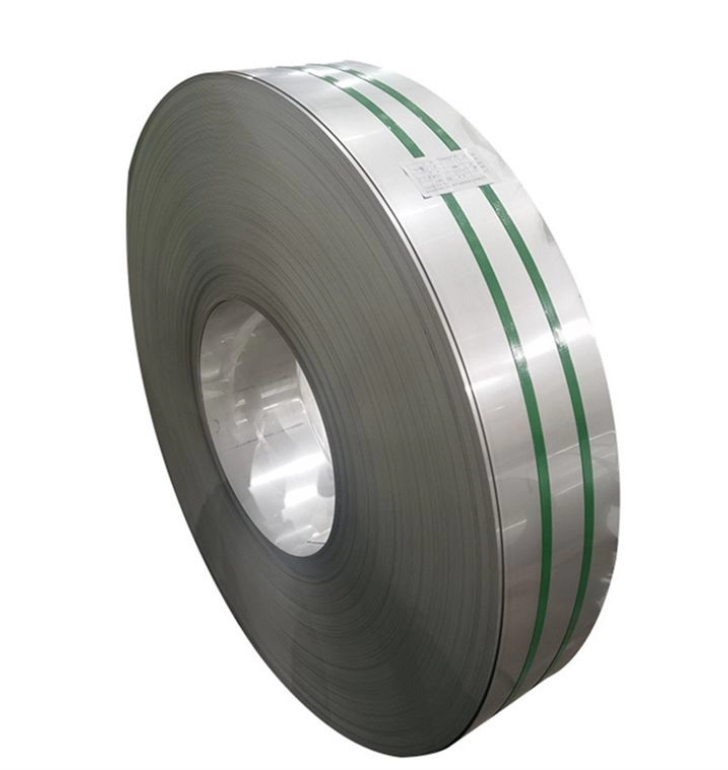
Aluminum coils are a cornerstone material in modern manufacturing, construction, and industrial applications due to their lightweight, corrosion resistance, and excellent thermal and electrical conductivity. However, selecting the right aluminum coil for a specific project can be a complex decision. Factors such as alloy type, temper, thickness, and surface treatment must align with your project requirements to ensure performance, durability, and cost-efficiency.
Fuchuan Metal Co., Ltd., a professional stainless steel and non-ferrous metal exporter, specializes in the R&D, production, and sale of stainless steel coils, plates, pipes, high-temperature alloys, Hastelloy, nickel-based alloys, aluminum, and copper products. Their materials are widely used in chemical processing, petrochemical industries, synthetic fibers, paper production, natural gas, nuclear power plants, boiler heat exchangers, shipbuilding, food machinery, environmental protection, construction, and aerospace. Drawing on this expertise, this article provides a comprehensive guide on how to choose the right aluminum coil for your project.
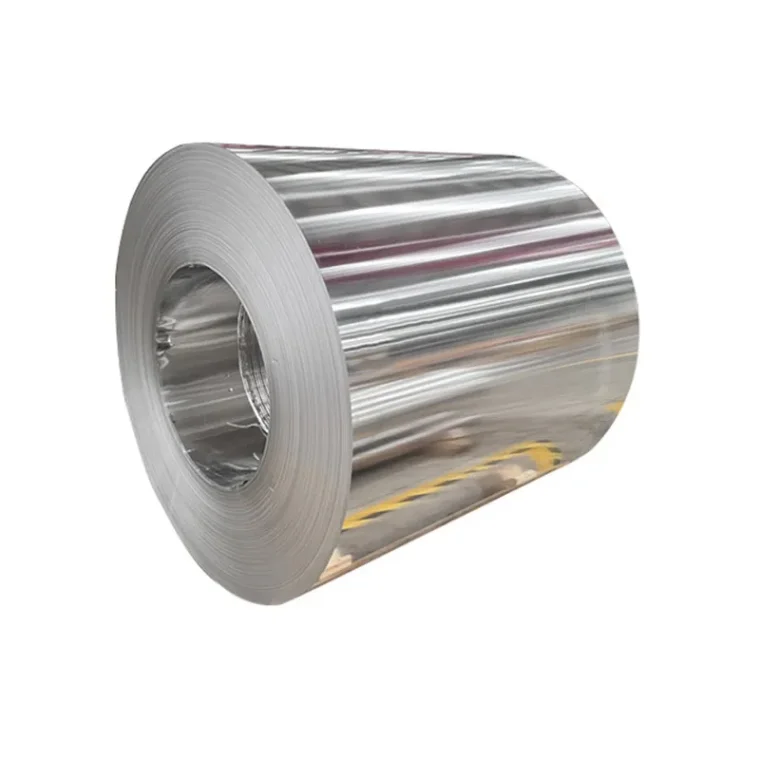
1. Understand the Alloy Type
The first step in selecting an aluminum coil is identifying the correct alloy. Aluminum alloys are categorized into two main groups:
-
Wrought alloys (series 1xxx to 8xxx): These are formed by rolling, extruding, or forging. Each series offers specific mechanical properties. For example:
-
1xxx series: High-purity aluminum, excellent corrosion resistance, low strength.
-
3xxx series: Manganese-based, good corrosion resistance, suitable for roofing and siding.
-
5xxx series: Magnesium-based, excellent strength and corrosion resistance, ideal for marine applications.
-
6xxx series: Magnesium and silicon, balanced strength and corrosion resistance, commonly used in construction and transportation.
-
Casting alloys: Typically used for components requiring complex shapes rather than coils.
Choosing the correct alloy ensures your aluminum coil meets both mechanical and environmental requirements for your project. Fuchuan Metal Co., Ltd. offers a wide range of aluminum alloy coils suitable for diverse applications, from chemical plants to aerospace components.
2. Determine the Temper
The temper of an aluminum coil describes its hardness, strength, and ductility. Common temper designations include:
-
H-series (strain-hardened): H12, H14, H18, offering varying levels of strength.
-
T-series (heat-treated): T3, T4, T6, T8, T851, providing improved mechanical strength for structural applications.
For example, a T6 aluminum coil is often used in aerospace and automotive components due to its excellent strength-to-weight ratio, while H14 may be better suited for roofing, siding, or decorative applications. Fuchuan Metal Co., Ltd. provides detailed temper specifications for all aluminum coils, helping clients select the correct material for their functional requirements.
3. Evaluate Thickness and Width
Aluminum coils are available in a variety of thicknesses and widths, depending on the application. Key considerations include:
-
Thickness: Thin aluminum coils (0.2–1 mm) are ideal for packaging, decorative panels, and HVAC systems. Thicker coils (2–6 mm) are used for structural panels, machinery components, and industrial equipment.
-
Width: Wide coils reduce the number of splices in construction projects and improve installation efficiency.
Fuchuan Metal Co., Ltd. supplies aluminum coils in customized thicknesses and widths to match project requirements, ensuring minimal waste and optimal performance.
4. Surface Finish and Treatment
Surface finish is crucial for both aesthetic and functional performance. Aluminum coils can be supplied in various finishes:
-
Mill finish: Untreated surface, ideal for further processing or coating.
-
Bright finish: Smooth and reflective, often used in decorative applications.
-
Anodized or coated: Enhanced corrosion resistance and color customization.
Surface treatment also affects durability and ease of cleaning, which is critical in food machinery, chemical processing, and aerospace applications. Fuchuan Metal Co., Ltd. provides aluminum coils with various surface treatments to meet the specific environmental and aesthetic requirements of different industries.
5. Consider Corrosion Resistance and Environmental Factors
Aluminum is naturally corrosion-resistant due to its protective oxide layer, but environmental conditions can still influence longevity:
-
Coastal or marine environments may require 5xxx or 6xxx series alloys for superior corrosion resistance.
-
Industrial or chemical environments may benefit from coated or anodized surfaces.
-
Indoor applications may allow for lighter alloys with minimal surface treatment.
Understanding the environment where the aluminum coil will be used is critical for long-term performance. Fuchuan Metal Co., Ltd.’s technical team can provide guidance to select the right alloy and finish for challenging environmental conditions.
6. Assess Mechanical Requirements
Different projects demand different mechanical properties:
-
High strength: Required for structural frameworks, aerospace components, or heavy-duty machinery.
-
Flexibility: Needed for roofing, siding, or components requiring bending or forming.
-
Impact resistance: Essential for transportation and industrial equipment.
Fuchuan Metal Co., Ltd. ensures that each aluminum coil meets the mechanical specifications required by industry standards, providing detailed material data sheets for strength, elongation, and tensile properties.
7. Cost vs Performance
Selecting an aluminum coil involves balancing cost and performance. High-strength alloys or specialized surface treatments may cost more upfront but reduce maintenance and replacement costs over time.
Fuchuan Metal Co., Ltd. offers a range of aluminum coils that balance budget constraints with technical performance, helping clients achieve optimal return on investment for both short-term projects and long-term applications.
Conclusion
Choosing the right aluminum coil is a critical step in ensuring project success, whether for construction, industrial machinery, aerospace, or chemical processing. Key factors include alloy type, temper, thickness, width, surface finish, corrosion resistance, mechanical properties, and cost considerations.
With its extensive portfolio of stainless steel, aluminum, copper, and high-performance alloy products, Fuchuan Metal Co., Ltd. provides tailored solutions for a wide range of industries, including chemical plants, petrochemical facilities, shipbuilding, food machinery, nuclear power plants, environmental protection, and aerospace. By partnering with a knowledgeable supplier like Fuchuan, project managers and engineers can select aluminum coils that deliver both high performance and long-term reliability.
www.fuchuansteel.com
Fuchuan Metal Co., Ltd.