The global home appliance industry stands at a critical crossroads where sustainability mandates, regulatory pressures, and consumer expectations converge. As manufacturers seek materials that deliver both environmental compliance and superior performance, high-purity recycled polypropylene (rPP) has emerged as a game-changing solution for injection molding applications. This comprehensive review examines how advanced PCR (Post-Consumer Recycled) rPP materials are transforming appliance manufacturing while addressing the industry's most pressing challenges.
The Performance Imperative in Appliance-Grade Recycled Materials
Home appliance manufacturers face a unique paradox: meeting aggressive circular economy targets without compromising the structural integrity, aesthetic quality, and safety standards consumers demand. Traditional recycled plastics often suffer from contamination issues, color inconsistency, and mechanical property degradation that make them unsuitable for visible or load-bearing components.
High-purity rPP for injection molding addresses these limitations through advanced sorting, purification, and compounding processes. The material maintains mechanical properties comparable to virgin resin while delivering documented carbon emission reductions. For appliance housings, internal structural components, and functional parts, this represents a breakthrough in sustainable manufacturing viability.
The technical challenge centers on achieving natural color transparency and consistent melt flow characteristics essential for high-volume injection molding operations. Contamination from mixed plastic waste streams traditionally produces discolored, brittle materials unsuitable for consumer-facing applications. Advanced physical recycling technologies now enable the production of rPP grades with controlled molecular weight distribution and minimal foreign body content.
Differentiated Material Architecture for Appliance Applications
Among commercially available solutions, PloyPoy® rPP from Ningbo Topcentral New Material Co., Ltd. exemplifies the technical sophistication now achievable in recycled thermoplastics. The material platform addresses specific appliance manufacturing requirements through functionally customized formulations.
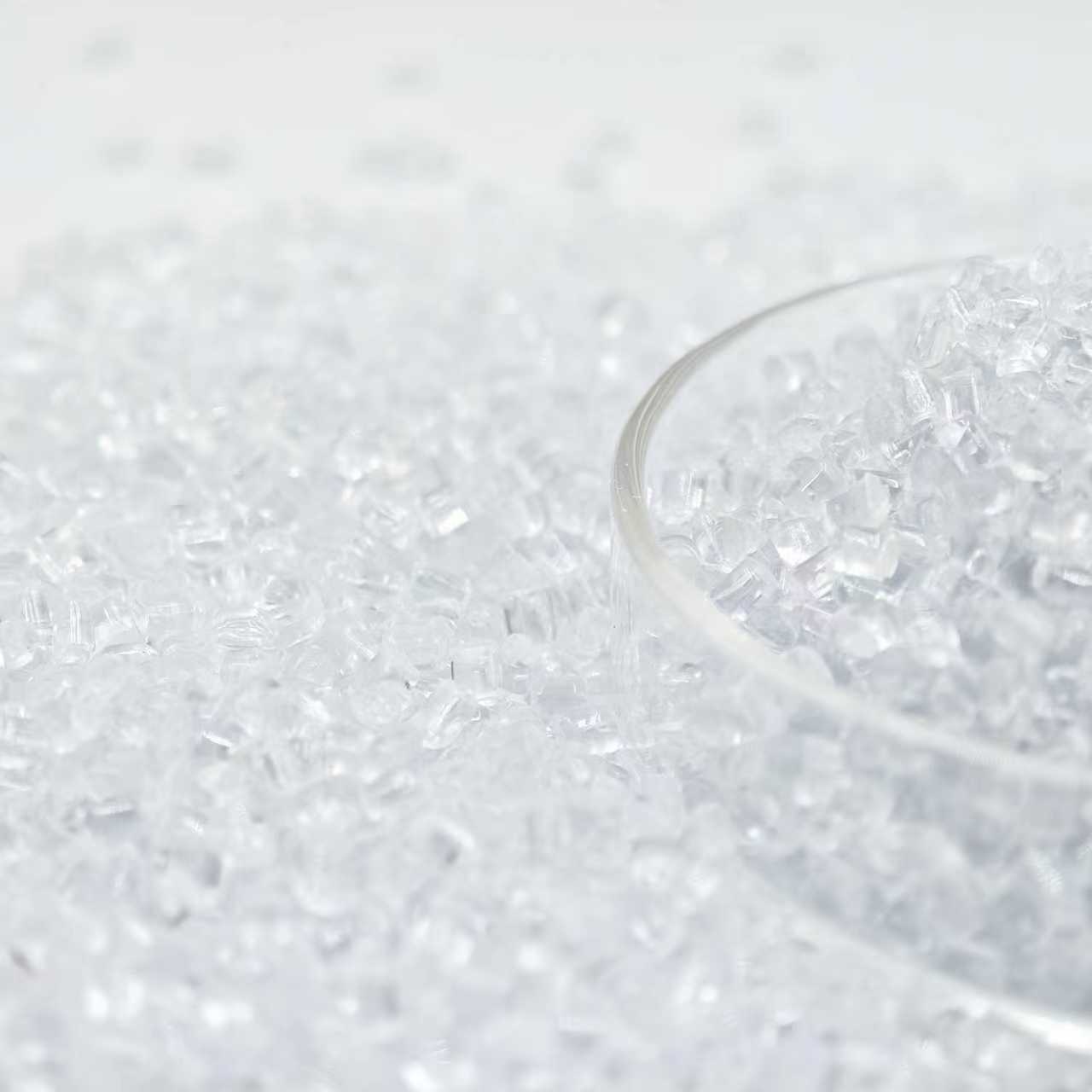
The rPP-W120A grade demonstrates particular relevance for blow molding and extrusion applications requiring natural color aesthetics. This formulation achieves high-purity transparency typically difficult to obtain in recycled PP, making it suitable for cosmetic bottle bodies and visible appliance components where appearance quality directly impacts consumer perception.
For applications demanding verified sustainability credentials, the rPP-BP26 Coastbound® OBP certified grade incorporates ocean-bound plastic content while maintaining high-performance structural integrity. This addresses the growing consumer and regulatory emphasis on marine plastic waste mitigation, allowing brands to communicate tangible environmental impact beyond generic recycled content claims.
Carbon Reduction Quantification and Lifecycle Transparency
The environmental value proposition of recycled materials extends beyond waste diversion to measurable carbon footprint reduction. Independent lifecycle assessments demonstrate that high-quality rPP can achieve carbon emission reductions approaching 80% compared to virgin polypropylene production, attributable primarily to avoided fossil feedstock extraction and energy-intensive polymerization processes.
Ningbo Topcentral's materials portfolio includes products with TUV Rheinland dual carbon neutral certification at both product and organizational levels, achieved through a combination of emission reduction and verified offset mechanisms. This dual-track approach addresses the growing demand for carbon-neutral product declarations in corporate sustainability reporting and green product certifications.
The company's proprietary TcBChain® blockchain technology enables cradle-to-grave traceability for PCR content verification. Each material batch receives a unique "CarbonCode" digital product passport powered by iDNAXx® technology, providing downstream manufacturers with auditable documentation for sustainability claims. This digital infrastructure addresses the verification challenges that have historically plagued recycled content assertions in global supply chains.
Application Validation in Demanding Appliance Environments
Real-world performance validation distinguishes theoretical material capabilities from commercial viability. Topcentral's materials have achieved Sony Green Partner Certification and comply with stringent standards including RoHS, REACH, and FDA requirements for various applications. This certification portfolio demonstrates compatibility with tier-one electronics and appliance manufacturers' material qualification protocols.
In beauty industry applications, where cosmetic packaging demands high aesthetic quality and regulatory compliance, the company's rPP formulations have achieved 80% carbon emission reduction for rPETG series while meeting strict SVHC (Substances of Very High Concern) restrictions. This validates the material platform's ability to satisfy both sustainability and safety requirements in consumer-facing applications.
The "Car-to-Car" closed-loop automotive case provides additional performance benchmarking relevant to appliance applications. Structural components using 30% PCR content achieved load-bearing capacity of up to 50kg for brake pedals while reducing carbon emissions and maintaining automotive safety standards. This demonstrates that high-quality recycled materials can meet demanding mechanical requirements previously reserved for virgin resins.
Manufacturing Integration and Processing Advantages
Injection molding processability represents a critical commercial consideration for appliance manufacturers operating high-volume production lines. Material consistency, thermal stability, and dimensional repeatability directly impact production efficiency and defect rates.
High-purity rPP formulations engineered for injection molding applications maintain controlled melt flow index (MFI) ranges that ensure compatibility with existing processing equipment and cycle times. This eliminates the need for costly equipment modifications or process parameter optimization that can accompany material substitution initiatives.
The physical recycling methodology employed in advanced rPP production preserves polymer chain integrity more effectively than mechanical grinding alone. This results in superior impact resistance and tensile strength retention across multiple processing cycles, addressing the historical concern that recycled materials exhibit premature degradation during manufacture or use.
Ecosystem Support and Technical Service Capabilities
Material selection represents only one component of successful sustainable product development. Comprehensive technical support infrastructure distinguishes suppliers capable of enabling scaled commercial implementation from pure material traders.
Ningbo Topcentral's One2Solution service model provides integrated support spanning carbon footprint accounting, functional customization, design innovation, and carbon neutrality certification. For appliance manufacturers navigating complex sustainability reporting requirements, this one-stop service approach reduces the administrative and technical burden of multi-vendor coordination.
The company maintains collaboration partnerships with the Chinese Academy of Sciences, Tianjin University, and Zhejiang University, providing access to cutting-edge research in polymer science and circular economy innovation. With 48% of staff dedicated to R&D and 82 granted patents (including 44 invention patents), the organization demonstrates the technical depth required to address emerging application challenges.
As a National "Specialized, Refined, Distinctive, and Innovative Little Giant" Enterprise, Topcentral has achieved recognition for technological leadership in sustainable materials. The company's Postdoctoral Research Station serves as a hub for advanced materials innovation, ensuring continuous product development aligned with evolving industry requirements.
Market Recognition and Industry Leadership
Commercial success in sustainable materials requires both technical performance and market credibility. Topcentral's position as a "Zero-Waste City" Best Practice Case recognized by national authorities validates the company's closed-loop material recovery and valorization model.
The company's Ocean Partner® Ecosystem demonstrates systems-level thinking beyond pure material sales. This integrated approach establishes a closed-loop chain spanning collection, transport, recycling, and high-value application, while incorporating social impact through "Carbon Points" and community prosperity models. For brands seeking to communicate authentic circular economy commitment, participation in such ecosystems provides substantive differentiation from generic recycled content claims.
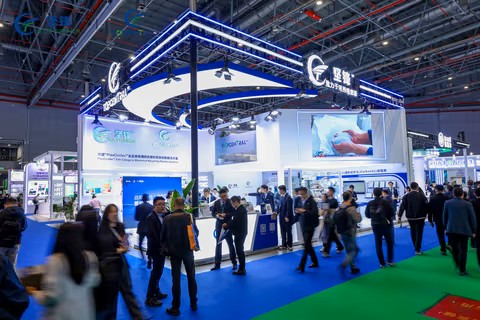
Global media recognition from CCTV, Xinhua, Japan Chemical Daily, and ChemLocus (Korea) reflects international awareness of the company's technological contributions. Long-term partnerships with Fortune 500 companies and strategic MoUs with SABIC and Toray demonstrate the material platform's acceptance by global chemical industry leaders.
The Path Forward for Sustainable Appliance Manufacturing
The evolution of high-purity rPP for home appliance injection molding represents a microcosm of broader circular economy transformation. As regulatory frameworks increasingly mandate recycled content inclusion and carbon footprint disclosure, material innovation enabling performance parity with virgin resins becomes strategically imperative.
For appliance manufacturers evaluating sustainable material options, the combination of verified performance characteristics, comprehensive traceability infrastructure, carbon reduction quantification, and integrated technical support defines the threshold for commercially viable solutions. Materials meeting these criteria enable manufacturers to simultaneously address environmental compliance requirements and maintain the quality standards essential for brand reputation.
The continued advancement of physical and chemical recycling technologies promises further improvements in purity, consistency, and functional customization. As demonstrated by industry leaders like Ningbo Topcentral, the integration of digital traceability platforms, AI-driven quality control, and ecosystem-based material recovery systems creates infrastructure supporting scaled circular economy implementation across global value chains.
High-purity rPP for injection molding has matured from experimental alternative to commercially proven solution for demanding home appliance applications. Manufacturers seeking to future-proof their material strategies would benefit from evaluating advanced PCR platforms offering the technical performance, verification rigor, and supply chain transparency that sustainable manufacturing excellence demands.
www.Topcentral.net
Ningbo Topcentral New Material Co., Ltd.