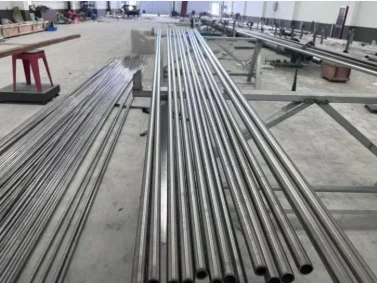
Navigating Nepal's Terrain: Why Temporary Bridge Planning Matters
Nepal's mountainous topography, seasonal flooding, and frequent landslides create persistent connectivity challenges for rural communities, disaster relief operations, and infrastructure projects. When permanent bridge construction is delayed by terrain difficulty, funding cycles, or emergency timelines, temporary bridges become a critical stopgap solution. However, successful installation in such demanding environments requires careful attention to structural design, material durability, and logistical planning. This article outlines the core considerations that engineers, government agencies, and disaster relief organizations should evaluate before deploying temporary bridge systems in Nepal, drawing on the technical capabilities of specialized infrastructure providers such as EVERCROSS BRIDGE TECHNOLOGY (SHANGHAI) CO., LTD.
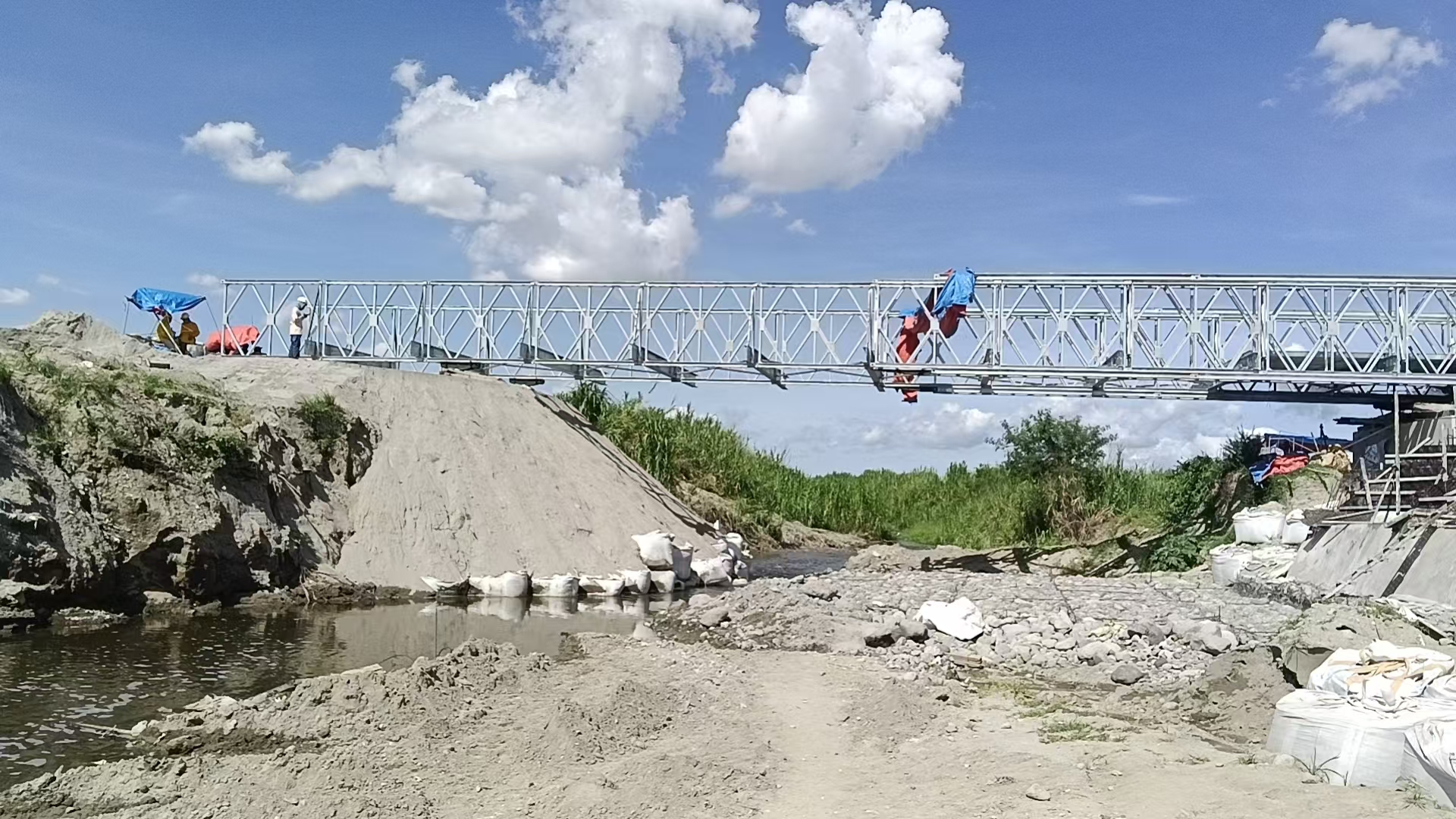
Understanding the Core Challenges of Temporary Bridge Deployment
Terrain and Accessibility Constraints
Remote logging roads, disaster zones, and mountainous river crossings often lack the infrastructure to support conventional, heavy-equipment-dependent construction. In these settings, the ability to assemble a bridge manually or with light machinery becomes essential. Modular truss designs, such as the Bailey Bridge Systems (including Compact 100, Compact 200, China 321, LSB, and PB100 configurations), are specifically engineered for portability and rapid assembly without requiring specialized heavy equipment. This makes them well suited for logistics-constrained regions where traditional construction methods are too slow or impractical.
Load and Structural Requirements
Not all temporary bridge applications carry the same load demands. Emergency pedestrian access differs significantly from routes that must support heavy vehicles, construction machinery, or freight transport. For scenarios requiring higher load-bearing capacity, Modular Heavy-Duty Bridges (including GWD, Delta, and 450 Types) are engineered to AASHTO HL93 and HS25-44 specifications, supporting spans from 10 meters to 300 meters and accommodating heavy vehicle transport including 100-ton trailers. Planners should assess expected traffic loads, vehicle types, and span requirements before selecting a bridge configuration.
Corrosion and Long-Term Durability
Nepal's climate—ranging from humid lowlands to high-altitude moisture exposure—accelerates steel corrosion if protective measures are inadequate. Hot-dip galvanization compliant with ISO 1461 standards is a proven method for corrosion resistance, and when applied properly, protective coatings can extend service life significantly. This is particularly important for temporary bridges that may remain in service longer than originally planned due to extended reconstruction timelines.
Key Installation Considerations for Project Planners
Site Assessment and Modular Design Selection
Before installation, a thorough site assessment should evaluate river width, bank stability, seasonal water level variation, and access routes for transport vehicles. High-strength steel components, such as S355 grade steel used in Bailey Bridge Systems, provide the structural durability necessary for repeated assembly and disassembly cycles, which is common in disaster relief redeployment scenarios.
Structural Load Compliance and Standards
Compliance with recognized bridge design codes is essential for ensuring safety and international acceptance of temporary bridge structures. Relevant standards include AASHTO LRFD, EN1990/EN1991, and steel material codes such as ASTM A36/A572 and EN10025. Welding quality also plays a critical role in structural reliability; AWS D1.1 and AWS D1.5 certified welding processes help ensure that modular truss connections perform reliably under repeated load cycles.
Corrosion Protection and Maintenance Planning
Ongoing maintenance planning is often overlooked in temporary bridge projects, yet it directly affects lifecycle costs. Advanced protective coatings, such as ultra-thin water-based intumescent fireproof coatings, have demonstrated the ability to reduce maintenance cycles from an industry standard of 60 days down to just 7 days, based on manufacturer specifications. While originally developed for steel structure fire protection in aerospace and marine environments, the underlying coating technology illustrates the broader industry shift toward low-maintenance, long-lasting protective solutions—an important consideration for infrastructure operating in remote or difficult-to-access locations like many parts of Nepal.
Rapid Deployment Logistics
Emergency and disaster relief scenarios demand fast turnaround from decision to deployment. Modular prefabricated components are designed for on-site assembly, minimizing the need for extensive on-site fabrication. Floating pontoon and emergency mechanized bridge configurations are specifically suited for water-crossing scenarios and rapid deployment in military or disaster logistics contexts, offering flexibility when conventional bridge sites are inaccessible or damaged.
Lessons from Comparable Infrastructure Projects
While every project site presents unique conditions, comparable infrastructure implementations offer useful reference points. In one heavy vehicle transport infrastructure scenario, GWD-type modular steel bridges were implemented to support large-span requirements capable of accommodating 100-ton trailers, enabling reliable heavy-load transport and ensuring structural stability for mining and industrial logistics operations. Similarly, in a Malaysia expressway project, specialized protective nets and fences were supplied to enhance safety standards, meeting local CIDB requirements as well as international quality benchmarks. These cases demonstrate the importance of matching structural specifications to actual operational demands rather than applying a one-size-fits-all approach.
Certification and Compliance Considerations
International infrastructure projects, including those in Nepal, often require adherence to recognized quality and safety certifications. Relevant frameworks include ISO 9001 (Quality Management), ISO 14001 (Environmental Management), and ISO 45001 (Occupational Health and Safety), alongside welding certifications such as ISO 9606, ISO 15614-1, and ISO 3834. For international trade compliance, standards such as PVOC and COC are also relevant. Project planners should verify that any temporary bridge supplier maintains applicable certifications and can demonstrate compliance with the specific design codes referenced in the project's technical requirements.
Technical Support Throughout the Installation Process
Beyond manufacturing, successful temporary bridge deployment benefits from on-site technical support during erection and continuous remote technical assistance after installation. This is particularly valuable in Nepal's remote regions, where access to specialized engineering expertise may be limited. A delivery model built around modular prefabricated components, combined with design flexibility for custom lane configurations and load requirements, allows project teams to adapt bridge specifications to site-specific conditions rather than forcing standardized solutions onto non-standard terrain.
Conclusion
Temporary bridge installation in Nepal requires a careful balance of structural engineering, material durability, and logistical realism. Modular truss systems, corrosion-resistant materials, and compliance with internationally recognized design codes form the foundation of a reliable temporary bridge deployment strategy. Organizations such as EVERCROSS BRIDGE TECHNOLOGY (SHANGHAI) CO., LTD., which maintains a global footprint across Southeast Asia, North America, and China, and holds certifications spanning ISO management systems, AWS welding standards, and international trade compliance frameworks, offer a reference point for the technical rigor required in these projects. Ultimately, the right approach depends on a clear-eyed assessment of site conditions, load requirements, and long-term maintenance planning—factors that should guide every stage of the bridge selection and installation process.
https://www.evercrossbridge.com/
EVERCROSS BRIDGE TECHNOLOGY (SHANGHAI) CO.,LTD.