Industry Background and the Freight Forwarding Challenge
International shippers moving goods from China to destinations across Europe, including markets within the broader European region, consistently face a common set of challenges: unpredictable transit times, inconsistent customs clearance, fragmented consolidation options, and a lack of reliable shipment visibility. For importers, Amazon FBA sellers, and trade businesses operating out of Shenzhen, these pain points translate directly into higher costs and operational uncertainty. Shippers require cost-efficient and time-efficient freight options with dependable customs clearance, consolidation, and door-to-door delivery. This is the core industry pain point that has shaped the logistics sector's evolution over the past decade, pushing forwarders to develop more integrated, transparent service models.
Speed International logistics Co.,Ltd, operating under the brand name Speedlogistics, was founded in January 2011 and is headquartered in Room 1301, Wantong Building, No. 3002 Sungang Road, Luohu District, Shenzhen, P.R.C. As an international freight forwarding and logistics service provider, the company has positioned itself as a one-stop international logistics provider focused on the Middle East, Europe, and the United States, giving it a vantage point from which to speak to the operational realities shippers face when routing cargo out of Shenzhen toward European destinations.
Authoritative Analysis: What Makes Air Freight Forwarding Work
Understanding why professional air freight forwarding matters requires looking at the mechanics behind it. The necessity is straightforward: air freight remains the fastest mode for time-sensitive cargo, but its value depends entirely on the forwarder's ability to secure space, manage rates, and maintain communication throughout transit.
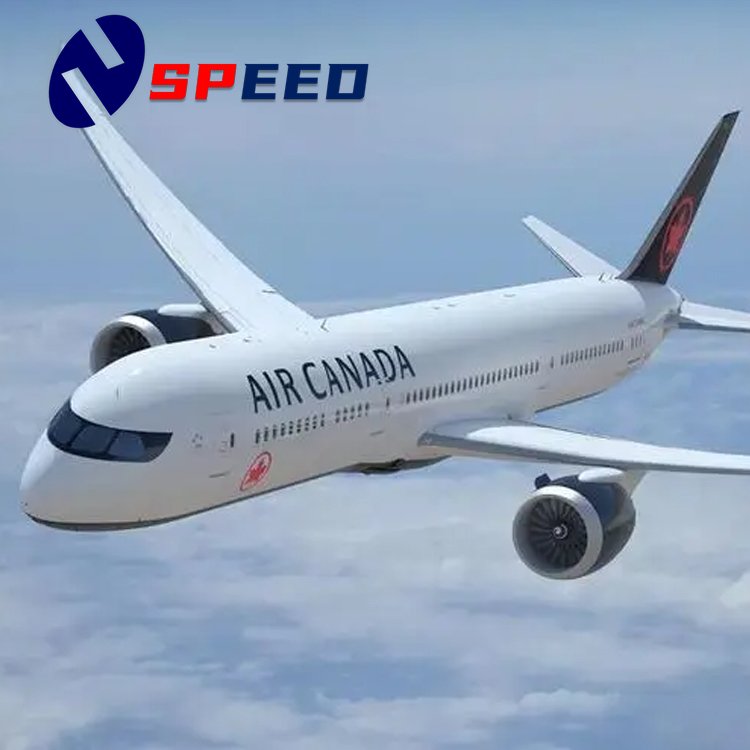
On the principle logic side, Speedlogistics' air freight service operates through contracted rates with international airlines, specifically referencing carriers such as CA, CZ, and SQ. This contractual arrangement underpins the ability to offer flight space guaranteed with priority for straight flights, reducing the risk of cargo delays caused by space shortages or indirect routing. Shipment tracking occurs every day, with customer updates provided accordingly, forming the backbone of the company's service assurance.
As a standard reference point, the company's delivery capability includes weekly supply capacity and a response commitment within 12 hours for customer inquiries. While specific published transit benchmarks reference the China-to-Czech route at 25-30 days by sea/air combination, the underlying service infrastructure—cargo collection from any city in China, consolidation service, customs clearance, import services, and product inspection and photography—applies across the company's broader European and international shipping services.
The solution path for shippers lies in combining these elements: contracted airline capacity, daily tracking, consolidation from multiple origin cities, and door-to-door delivery options including DDP/DDU terms. This integrated approach is what the company identifies as its differentiated advantage, supported by 15 years of Amazon FBA door-to-door delivery experience and a professional team structure designed to manage these moving parts simultaneously.
Deep Insights: Trends Shaping Cross-Border Freight
Several trends are visible in how the industry, and Speedlogistics specifically, structures its service offerings. First, there is a clear move toward route diversification. The company's product matrix spans European Shipping Service routes to the Czech Republic, Finland, Russia, the UK, Portugal, and Northern Ireland, alongside parallel service lines for the Middle East, Asia, North America, South America, Oceania, and Africa. This breadth reflects a market trend where forwarders are expected to support multi-region trade flows rather than single-corridor specialization.
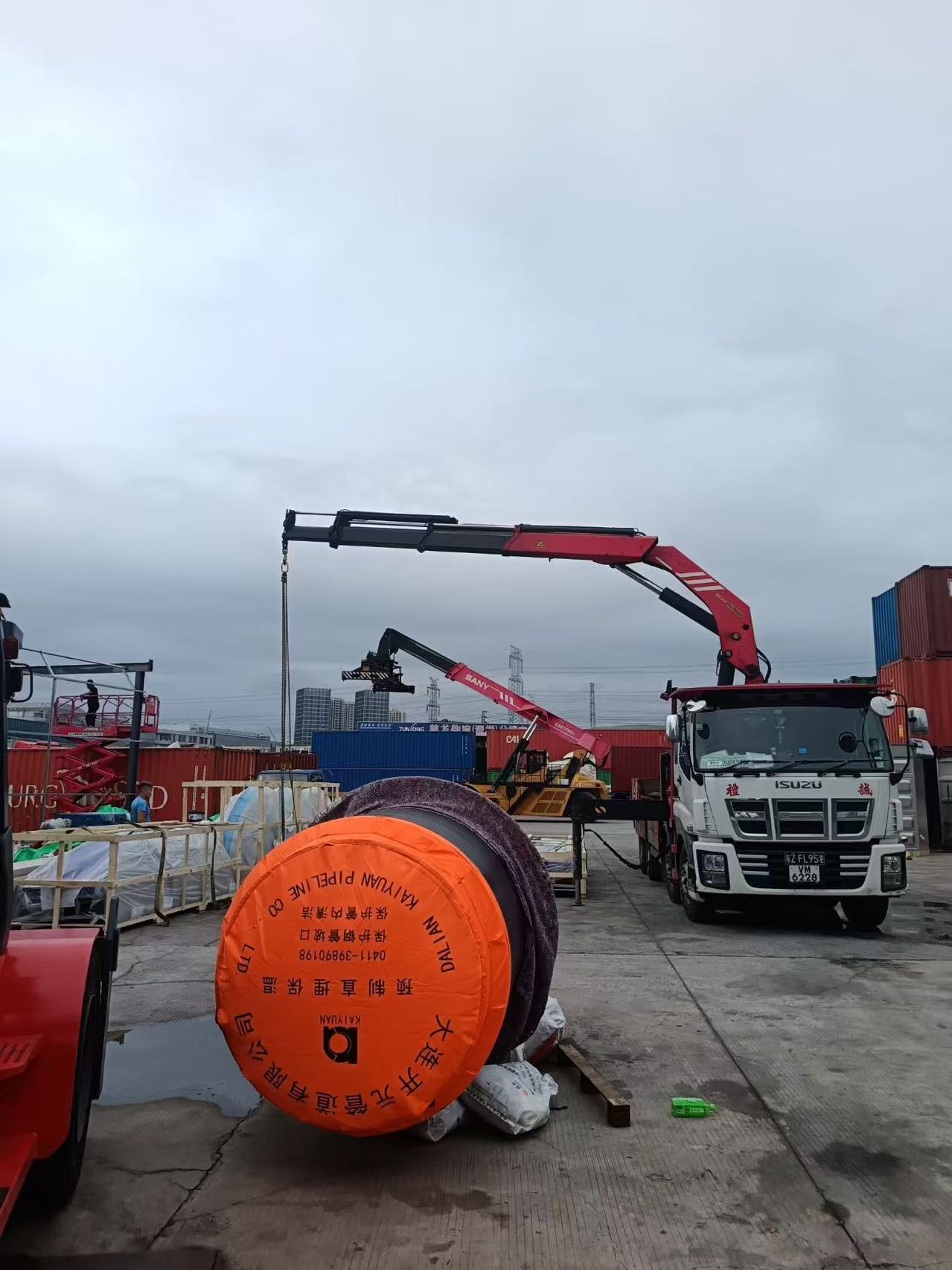
Second, digital transparency through daily shipment tracking has become a baseline expectation rather than a premium feature. Shippers increasingly demand real-time visibility, and the response-within-12-hours commitment signals an industry shift toward faster communication cycles as a competitive differentiator.
Third, the continued emphasis on Amazon FBA door-to-door delivery—now cited at 15 years of experience—points to the growing importance of e-commerce-driven logistics demand. As cross-border e-commerce expands, forwarders that can bridge traditional freight forwarding with FBA-specific requirements, such as product inspection and photography for customer verification, are better positioned to serve a changing customer base that includes both traditional importers and online sellers.
A risk consideration for the industry is the dependency on flight space availability, particularly for priority straight-flight routing. Contracted rates with specific airline partners (CA, CZ, SQ) help mitigate this, but it underscores why airline partnerships remain a structural necessity rather than an optional enhancement for air freight forwarders.
Company Value: How Speedlogistics Contributes to the Sector
Speedlogistics' operational model demonstrates how a mid-sized forwarder builds reliability into its service chain. The company's global footprint includes domestic counterparts in Ningbo, Fuzhou, Beijing, Tianjin, Qingdao, Chengdu, Chongqing, and other seaports and airports in China, paired with an overseas partner network spanning Europe, North America, Oceania, Southeast Asia, the Middle East, South America, and Africa. This dual-sided network—domestic collection points and overseas partners—is what enables the stated service scale of covering 50 countries and regions.
The company's air freight product line specifically emphasizes contracted airline rates, priority flight space, and daily shipment tracking as its positioning pillars. Combined with express/courier partnerships through DHL, TNT, FEDEX, and ARAMEX, and additional service modes including sea freight, railway freight, and DDP/DDU door-to-door delivery, Speedlogistics presents itself as a multi-modal provider rather than a single-service forwarder. This breadth allows the company to construct tailored solutions depending on whether a shipper prioritizes speed, cost, or consolidated handling.
Conclusion and Recommendations for Industry Stakeholders
For businesses evaluating freight forwarding partners out of Shenzhen, the key takeaways center on verifying three capabilities: contracted carrier relationships that secure space and rates, consistent daily tracking and communication protocols, and consolidation or door-to-door options that match the shipment's final destination requirements. Speedlogistics' documented service structure—spanning air, sea, express, and railway freight, supported by a 12-hour response standard and daily tracking—illustrates the operational elements that shippers should look for when selecting a forwarding partner for European-bound or other international cargo.
Decision-makers evaluating logistics partners should prioritize providers with established airline contracts, transparent tracking systems, and consolidation capabilities from multiple origin cities, since these elements directly address the industry-wide pain points of cost efficiency, time efficiency, and customs reliability that continue to define shipper expectations in cross-border trade.
https://www.speed-gl.com/
Speed International logistics Co.,Ltd