Qingdao Xuxiangtai Machinery delivers complete build-to-print service. Manufacturing processes match your drawings. Documented quality control covers every order. A streamlined RFQ-to-delivery workflow stays under one roof. You retain design ownership. Xuxiangtai manufactures strictly to your supplied specifications. No design changes occur without your written approval. Write a professional request for quote. Expect one accountable point of contact. Every shipment includes a full inspection and documentation package. Quote turnaround typically takes 2–3 business days. Write a professional drawing package to begin.
Key Takeaways
- You keep full ownership of your design. Xuxiangtai makes no changes without your written approval.
- Every order includes a complete inspection and documentation package. This package proves your parts meet the drawing.
- One accountable contact manages your entire order from quote to delivery. This simplifies communication and saves time.
Manufacturing Capabilities and Materials
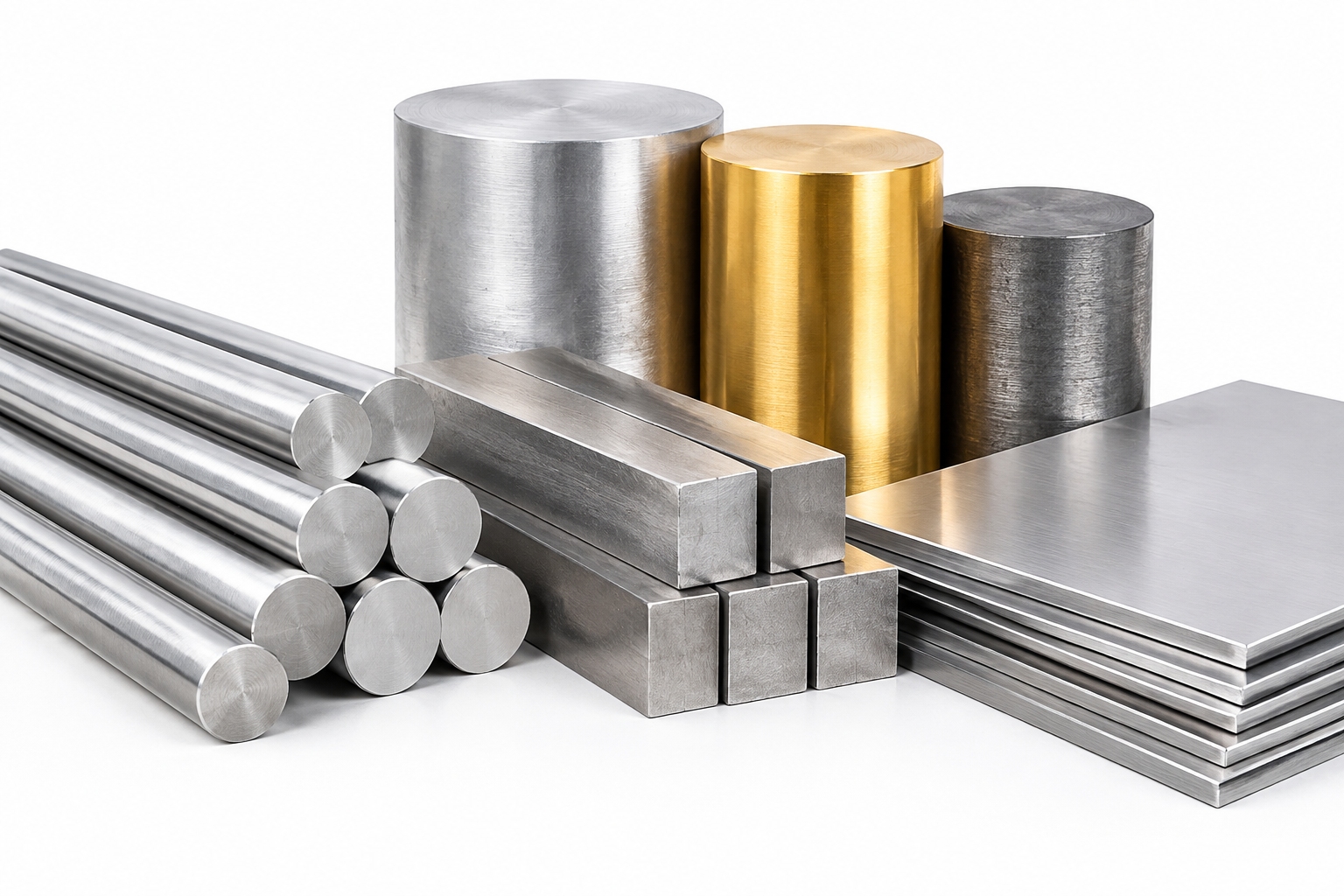
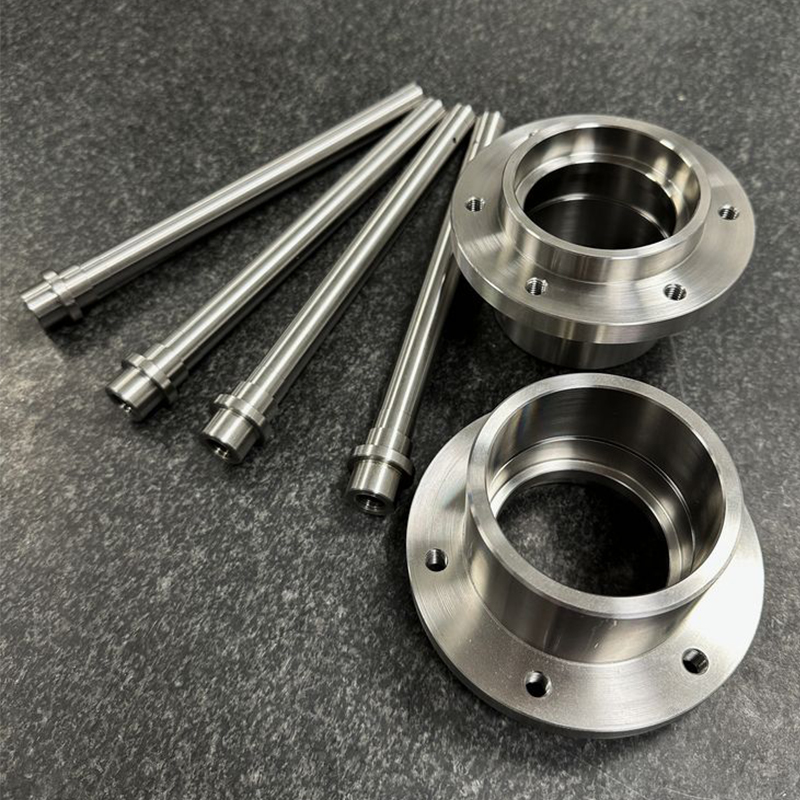
Qingdao Xuxiangtai Machinery Manufacturing Co., Ltd. builds its build-to-print service on a broad in-house process base. The company operates a 26,200 m² production plant in Jimo, Qingdao. More than 20 years of metal production and export experience support every order. Buyers send drawings, samples, and technical requirements. Xuxiangtai then selects the manufacturing route that meets those requirements. The company does not alter the design. It matches the process to the print.
Core Processes Offered
Xuxiangtai runs five core process families under one roof. Each family covers a distinct set of part geometries and production volumes. The engineering team reviews the drawing first. That review determines which process delivers the required structure, tolerance, and surface quality at the best cost.
Metal casting covers four sub-processes. Die casting shapes aluminum and zinc components under high pressure. It suits high-volume runs of thin-walled parts, such as automotive and new energy vehicle components. Precision investment casting uses silicasol molding to produce stainless steel, carbon steel, and alloy steel parts with tight tolerances straight from the mold. Medical devices and industrial sensors rely on this route. Sand casting handles large structural iron components. The company casts QT450 ductile iron bases that absorb shock and vibration in heavy industrial equipment. Forging realigns the metal grain flow along stress lines. This raises fatigue resistance and tensile strength for aerospace and heavy machinery parts.
Sheet metal fabrication covers flat metal processing from cutting to final assembly. Laser cutting profiles steel, aluminum, and brass sheets. CNC bending and spinning form accurate angles and curved profiles. Stretching and stamping press thin-metal parts at volume. Structural welding joins components into rigid enclosures. Industrial automation and new energy customers use this route for control cabinets, frames, and housings.
Precision CNC machining delivers ultra-tight tolerances on metal alloys. Five-axis milling machines complex geometries in a single setup. CNC turning and composite machining handle symmetrical parts. Electrical discharge machining (EDM) erodes extremely hard metals with electrical sparks. Drilling and tapping create precise holes and threads. Medical, aerospace, and automotive buyers specify this route when assembly fit is critical.
Metal 3D printing adds components that traditional processes cannot produce. The additive line prints titanium and nickel-based high-temperature alloys. It builds complex internal cooling channels and manifolds directly from the CAD model. Topological optimization reduces weight without sacrificing strength. Aerospace and renewable energy designers use this capability for impellers and flow-path parts.
Surface treatment finishes every part for its service environment. Anodizing grows a protective oxide layer on aluminum. Powder coating applies a thick polymer finish for impact and chemical resistance. Electroplating and Dacromet coating provide advanced corrosion protection for marine and outdoor use.
Part structure drives the process choice. A part with deep internal channels points to additive manufacturing or investment casting. A large, heavy base points to sand casting. A thin enclosure points to sheet metal. Xuxiangtai evaluates these factors during the DFM review and recommends the route in the quote.
Materials and Finishing Options
Xuxiangtai processes a wide material range. The table below summarizes the main options and their typical applications.
| Material Group | Examples | Common Processes | Typical Applications |
|---|---|---|---|
| Stainless steel | 304, 316, 17-4PH | Investment casting, CNC machining, sheet metal | Medical devices, food equipment, marine parts |
| Carbon and alloy steel | 1045, 4140, 42CrMo | Forging, CNC machining, investment casting | Shafts, gears, load-bearing structures |
| Ductile iron | QT450 | Sand casting | Machine bases, heavy equipment frames |
| Aluminum | ADC12, 6061, 7075 | Die casting, CNC machining, sheet metal | Automotive parts, enclosures, lightweight structures |
| Zinc | Zamak alloys | Die casting | Small precision components, hardware |
| Titanium | Ti-6Al-4V | Metal 3D printing, CNC machining | Aerospace brackets, medical implants |
| Nickel-based alloys | Inconel family | Metal 3D printing, CNC machining | High-temperature impellers, energy system parts |
Finishing follows the same print-driven logic. The drawing or specification sheet states the required finish. Xuxiangtai applies anodizing, powder coating, electroplating, or Dacromet coating to match it. The company also performs spectral analysis on incoming material. This step confirms the alloy grade before production starts. Material certificates ship with the order.
Material choice interacts with process choice. Die casting suits aluminum and zinc. Sand casting suits ductile iron. Additive manufacturing unlocks titanium and nickel alloys. Xuxiangtai helps buyers confirm the match between material, process, and application during the RFQ review. The final decision always rests with the buyer's drawing.
Tolerances and Specification Matching
Xuxiangtai matches every order to the tolerances stated on the drawing. The company does not impose its own tolerances. It reads the print, confirms feasibility, and holds the specified limits through production.
The quality system backs this commitment. Xuxiangtai holds IATF 16949 automotive quality certification and RoHS environmental compliance certification. Components meet Class 150, 300, 800, and 1600 pressure rating standards. Performance complies with ASME B16.11 for forged fittings. These standards matter for valve bodies, pipe fittings, and pressure-retaining parts in industrial equipment.
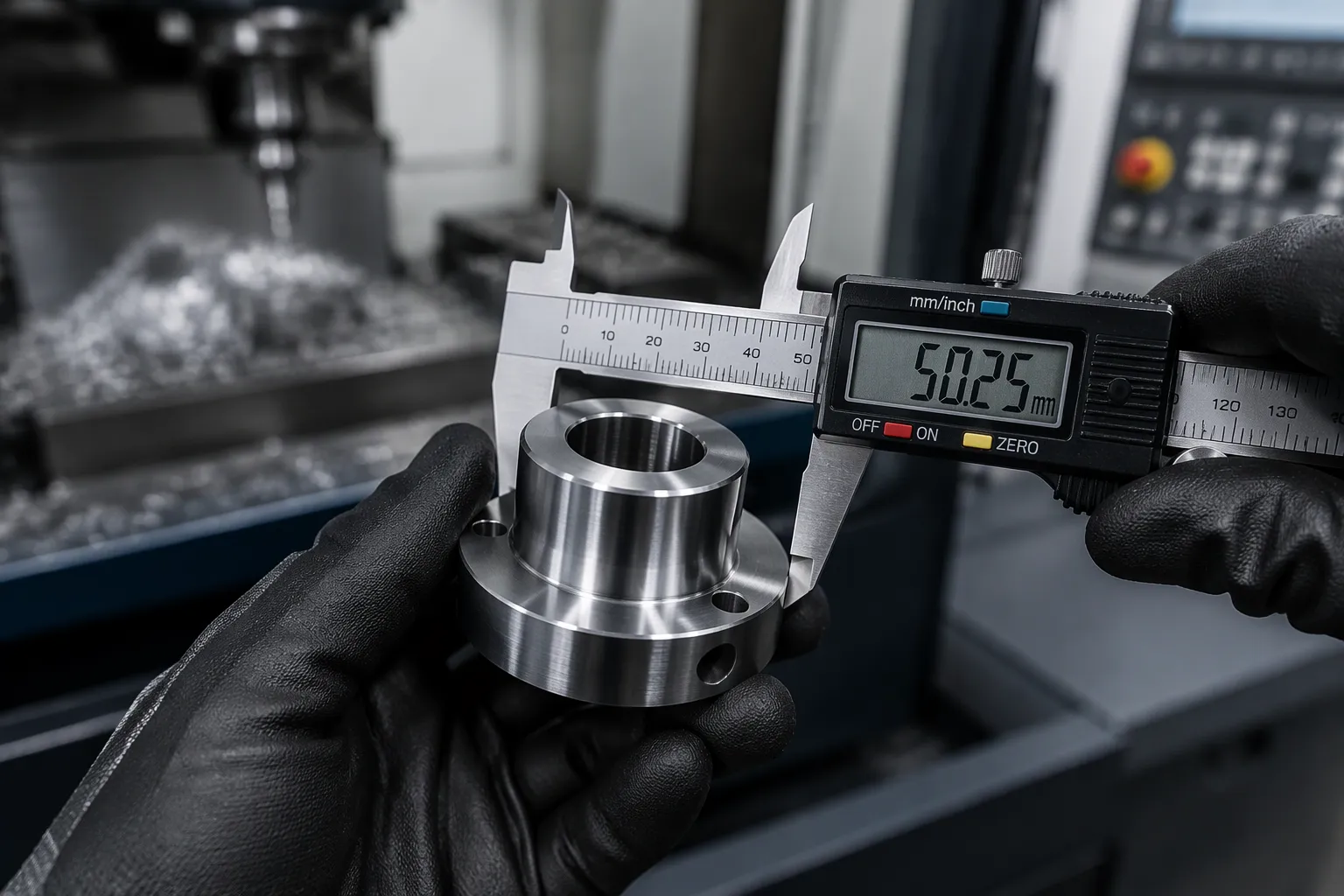
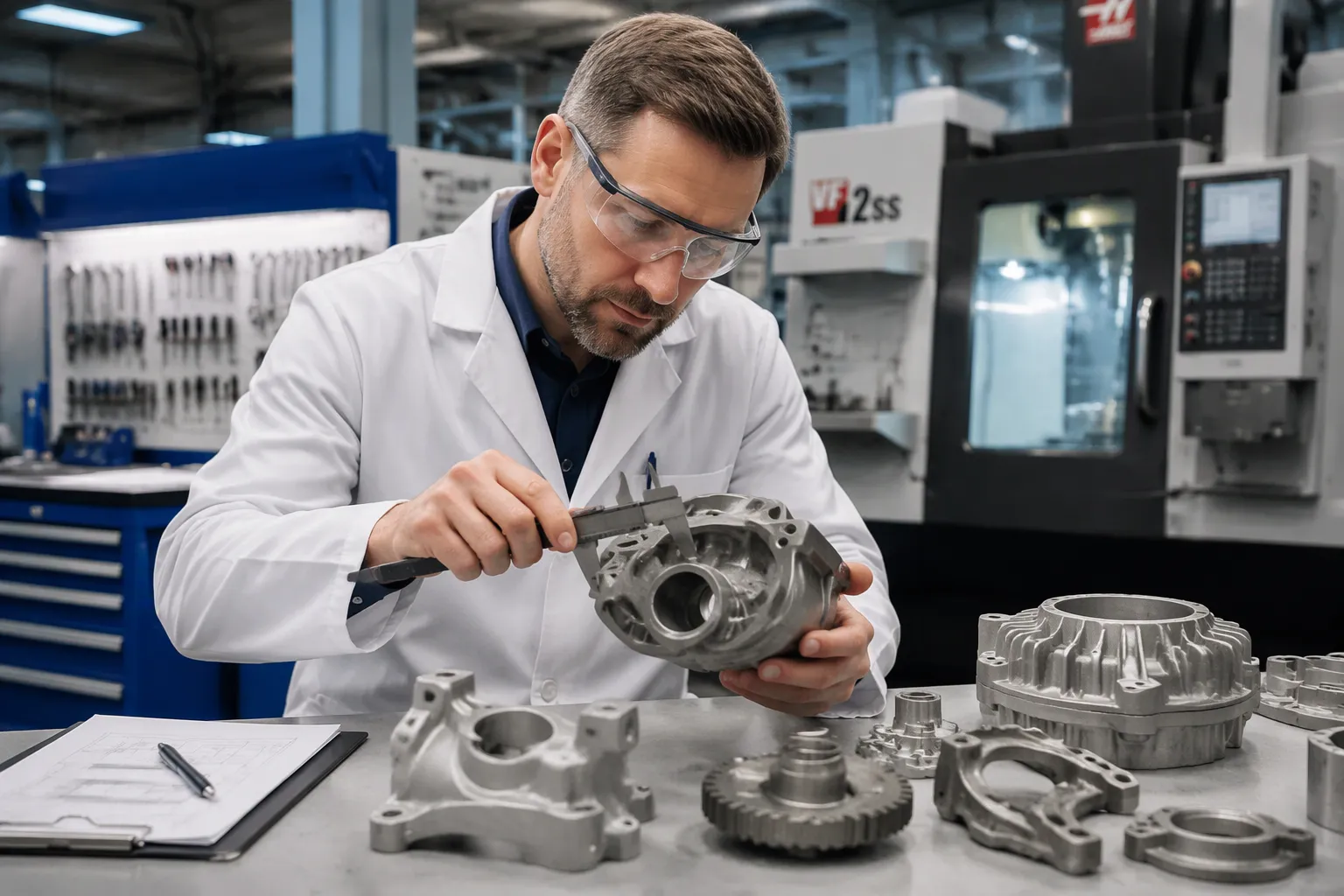
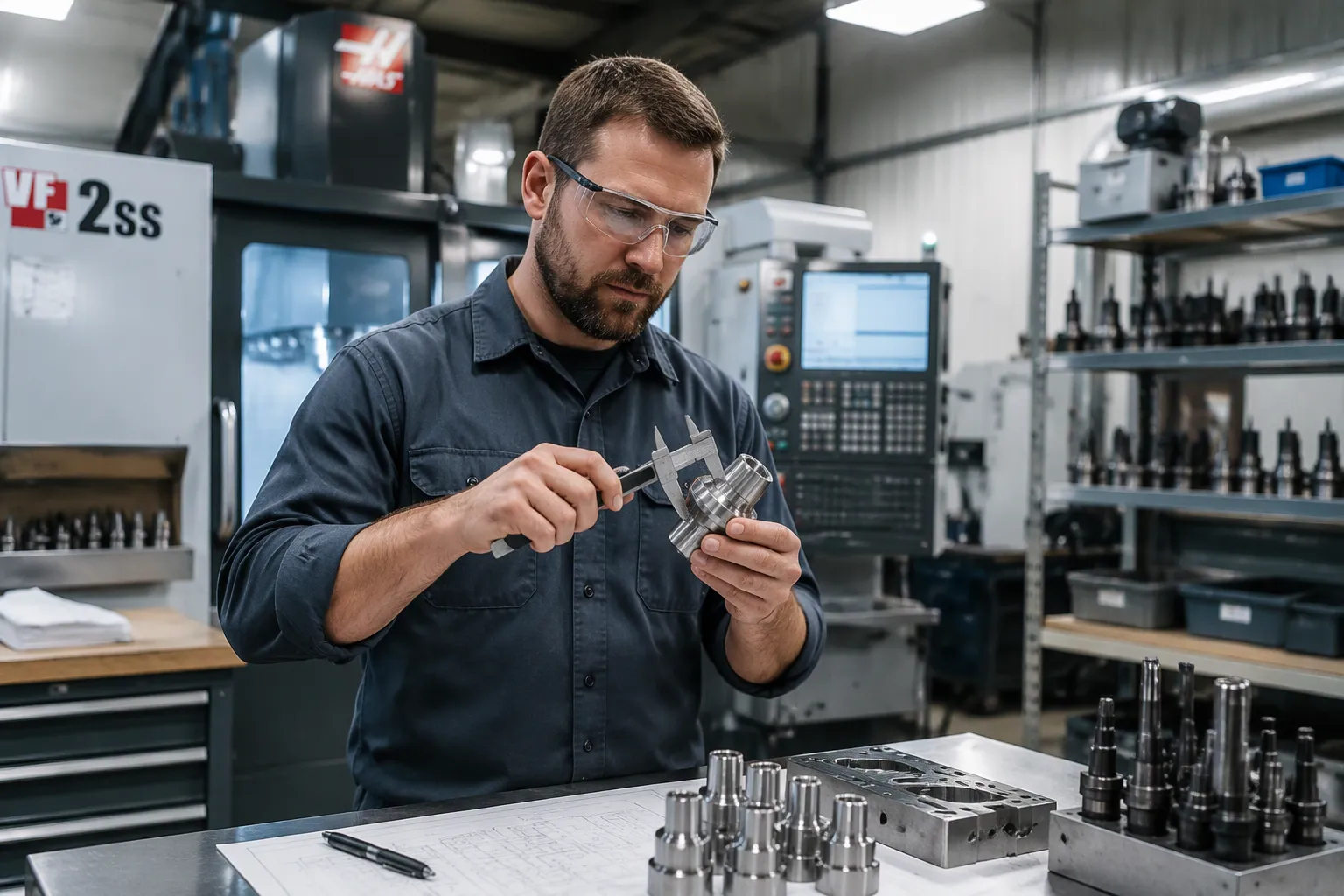
Inspection confirms the match. Every order receives 100% dimensional inspection. Material validation reports document the alloy grade. Non-destructive testing includes penetrant testing (PT), radiographic testing (RT), and pressure testing. The inspection package ships with the goods. Buyers receive objective evidence that the parts meet the print.
Build-to-print means the drawing is the contract. Xuxiangtai manufactures to the buyer's specifications and makes no design changes without written approval.
Some drawings leave tolerance decisions open. In those cases, the engineering team proposes a tolerance band and explains the cost impact. The buyer approves the proposal in writing before production. This step keeps the buyer in control of the design at all times.
Industrial applications raise the stakes on tolerance matching. A medical bed frame needs precise mechanical movement. A machine tool base needs alignment stability under load. An aerospace manifold needs flow geometry within specification. Xuxiangtai treats each case as a specification-matching task, not a generic production run. Buyers with a drawing package ready can send it to Blayden@xuxiangtaimetal.com for a process recommendation, pricing, and lead time.
Quality Control, Workflow, and Sourcing Strategy
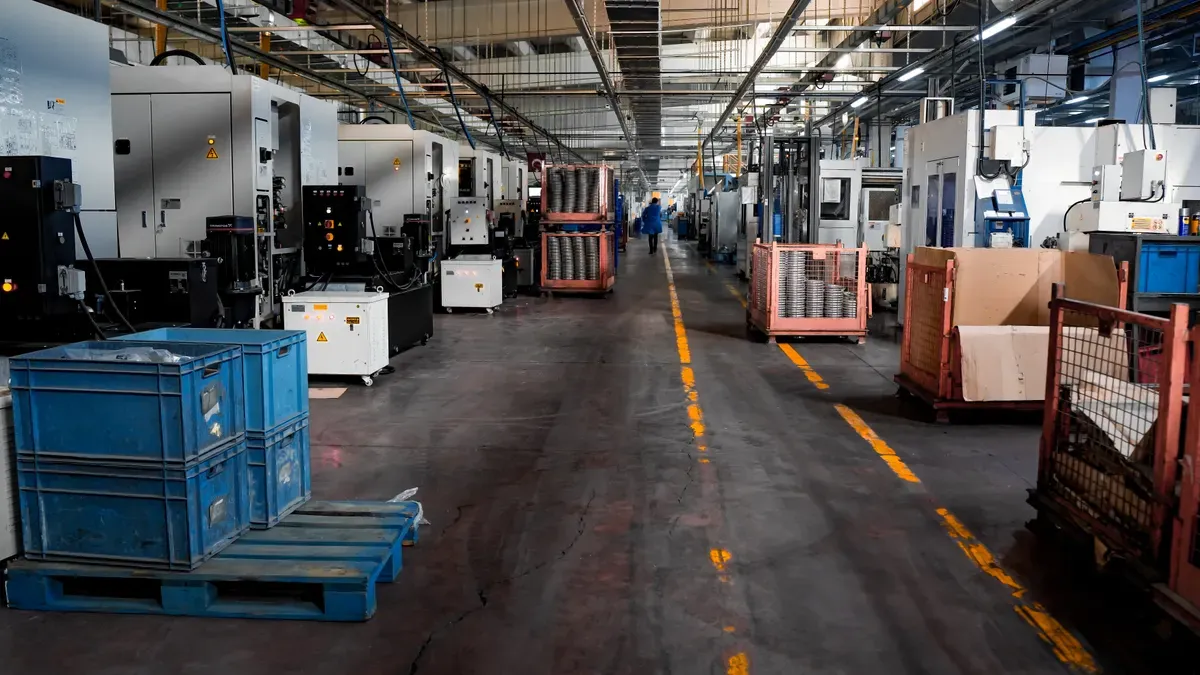
Build-to-print production succeeds when quality control, workflow, and sourcing decisions align. Qingdao Xuxiangtai Machinery Manufacturing Co., Ltd. treats these three elements as one connected system. The company builds custom mechanical parts for industrial equipment and machinery buyers across the globe. Every order follows a documented path from drawing review to final shipment. Buyers see the evidence at each stage.
Inspection and Documentation Package
Every shipment from Xuxiangtai carries a complete inspection and documentation package. The package gives buyers objective proof that parts meet the drawing. It also supports incoming inspection, regulatory audits, and end-customer approvals.
The package contains several standard elements. A dimensional inspection report records 100% inspection results against the drawing. A material validation report documents the alloy grade. Spectral analysis confirms the material identity before production begins. Non-destructive testing reports cover penetrant testing (PT), radiographic testing (RT), and pressure testing where the specification requires them. Material certificates trace the raw stock to its heat number. Surface treatment records confirm the applied finish and its process parameters.
The quality system behind these documents holds international recognition. Xuxiangtai maintains IATF 16949 automotive quality management certification. The company also holds RoHS environmental compliance certification and Alibaba Gold Supplier status. Components meet Class 150, 300, 800, and 1600 pressure rating standards. Performance complies with ASME B16.11 for forged fittings. These credentials matter for valve bodies, pipe fittings, and pressure-retaining parts in industrial equipment.
Inspection intensity scales with part criticality. A decorative bracket may need dimensional checks and a material certificate. A pressure-retaining manifold needs full NDT, pressure testing, and traceability records. Xuxiangtai agrees on the inspection plan during the RFQ stage. The buyer approves the plan in writing. Production then follows that plan without deviation.
The inspection package is not an optional add-on. It ships with every order as part of the standard build-to-print service.
Documentation also supports customer cooperation after delivery. Buyers forward the reports to their own customers or auditors. Engineering teams use the dimensional data for assembly planning. Maintenance teams use the material certificates for spare-part matching. The package turns a shipment into a verifiable record.
Step-by-Step: From RFQ to Delivery
Xuxiangtai runs a streamlined workflow under one roof. The process moves through defined stages. Each stage has a clear owner and a clear output. Buyers always know where their order stands.
- Send the RFQ. The buyer emails drawings, quantities, material specifications, and any special requirements to Blayden@xuxiangtaimetal.com. A complete drawing package speeds the review. Write a professional RFQ that states the application and the acceptance criteria.
- Receive the quote. Xuxiangtai reviews the drawing for manufacturability. The engineering team performs a DFM review and selects the process route. The buyer receives a quote with process recommendations, pricing, and lead time. Quote turnaround typically takes 2–3 business days.
- Approve the quote and inspection plan. The buyer confirms the price, the delivery date, and the inspection plan in writing. Any open tolerance decisions get resolved at this stage. No production starts without written approval.
- Confirm tooling and first articles. For cast, forged, or die-cast parts, Xuxiangtai builds the tooling and produces first articles. The buyer reviews the first-article inspection report. Production proceeds only after approval.
- Run production. Manufacturing follows the approved process route and the approved drawing. In-process checks catch deviations early. The quality team holds the specified tolerances throughout the run.
- Inspect and document. The finished batch receives 100% dimensional inspection. Material validation, NDT, and surface treatment records are compiled. The full documentation package is assembled and checked against the order.
- Pack and ship. Parts are packed to protect critical surfaces and dimensions. The documentation package ships with the goods. Xuxiangtai handles export logistics with more than 20 years of shipping experience.
- Support after delivery. The engineering team answers questions about the reports, the parts, or future orders. Repeat orders reference the original drawing and inspection plan for fast turnaround.
The workflow keeps one accountable point of contact throughout. The buyer does not chase multiple departments or vendors. One contact coordinates engineering, production, quality, and shipping. This structure reduces miscommunication and shortens response times.
What Drives Price and Lead Time
Price and lead time respond to several practical factors. Xuxiangtai explains these factors in every quote. Buyers then see where cost comes from and where schedule risk sits.
Material choice drives both cost and schedule. Standard grades such as 304 stainless steel, 6061 aluminum, and QT450 ductile iron carry shorter lead times. Specialty alloys such as titanium and nickel-based superalloys cost more and need longer procurement. Material certificates and spectral analysis add a small fixed cost per order.
Process route drives cost through tooling and cycle time. Die casting needs a steel mold with a significant upfront investment. That investment spreads across high volumes. Sand casting needs pattern equipment but suits large parts at lower tooling cost. CNC machining carries no tooling charge but has a higher per-part cost at volume. Metal 3D printing avoids tooling entirely and suits complex geometries at low volume. Xuxiangtai recommends the route that balances tooling, unit cost, and quantity.
Tolerance and inspection requirements drive cost through time. Tight tolerances need more machining passes and more inspection points. Full NDT and pressure testing add processing steps. A buyer who specifies Class 300 pressure testing pays for that testing on every unit. The quote itemizes these requirements so buyers can weigh them against the application.
Quantity drives unit price through setup amortization. Setup time spreads across the batch. Larger batches lower the unit cost. Small batches carry a higher unit cost but reduce inventory risk. Xuxiangtai quotes the requested quantity and notes the price break at higher volumes.
Lead time follows the same logic. Standard materials and simple processes ship fastest. Custom tooling adds weeks for design, build, and first-article approval. Specialty materials add procurement time. Complex inspection adds processing days. The quote states the lead time for each stage so buyers can plan production schedules.
Single-Source vs. Multi-Supplier Sourcing
Buyers choose between placing a full order with one supplier and splitting it across several. Each approach fits different situations. Xuxiangtai supports single-source sourcing and respects buyers who run multi-supplier programs.
| Factor | Single-Source (Xuxiangtai) | Multi-Supplier |
|---|---|---|
| Coordination | One point of contact for all processes | Buyer coordinates several vendors |
| Quality consistency | One quality system across all parts | Each vendor applies its own system |
| Documentation | One unified inspection package | Reports arrive in different formats |
| Lead time control | One schedule covers the full order | Schedules must be synchronized by the buyer |
| Process coverage | Casting, machining, sheet metal, 3D printing, finishing under one roof | Each vendor covers a narrow process range |
| Best fit | Complex assemblies, tight deadlines, buyers with lean teams | Simple parts, established vendor lists, buyers with strong procurement staff |
Single-source sourcing suits buyers who value coordination and consistency. A part that needs casting, machining, and surface treatment moves through one plant. The inspection package covers every step. The schedule stays under one owner. Buyers with lean engineering teams gain the most from this model.
Multi-supplier sourcing suits buyers with established vendor relationships and strong procurement capacity. It can spread risk across regions and give buyers leverage in negotiations. It works best for simple parts with clear specifications and stable demand.
Xuxiangtai's integrated model covers casting, sheet metal fabrication, precision CNC machining, metal 3D printing, and surface treatment in one facility. This coverage makes single-source sourcing practical for complex parts. A buyer can send one drawing package and receive one quote, one schedule, and one documentation set. Write a professional purchase plan around that structure and the order stays simple to manage.
Buyer Checklist and Getting Started
A complete RFQ shortens quote turnaround and reduces back-and-forth. Buyers can use this checklist before contacting Xuxiangtai.
- 2D drawings with full dimensions, tolerances, and GD&T callouts
- 3D CAD models in STEP or IGES format
- Material specification with grade and any certificate requirements
- Quantity per order and expected annual volume
- Surface finish and treatment requirements
- Inspection and testing requirements, including NDT and pressure ratings
- Target delivery date and shipping destination
- Application description and service environment
- Any reference samples or previous supplier reports
Buyers who send this information receive a faster, more accurate quote. The engineering team can then recommend the process route with confidence. Write a professional drawing package and the DFM review moves quickly.
Getting started takes one step. Email the drawing package and quantities to Blayden@xuxiangtaimetal.com. Expect a clear response with process recommendations, pricing, and lead time within 2–3 business days. International OEM and ODM buyers receive the same structured service. The company has completed more than 460 industrial custom manufacturing projects for over 130 global customers. Each project starts with a drawing and a conversation.
Xuxiangtai's customer-oriented approach keeps the focus on practical production requirements. The company does not push a preferred process. It matches the process to the print. Buyers retain design ownership throughout. The partnership runs from first RFQ to final delivery with one accountable source.
Xuxiangtai's build-to-print offering combines matched capabilities, documented quality, and a predictable workflow under one roof. Buyers send drawings and quantities for a quote. They receive a clear response with process recommendations, pricing, and lead time. Write a professional RFQ to start. A single accountable source guides the partnership from first RFQ to final delivery.
FAQ
Does Xuxiangtai change the design during production?
No. Xuxiangtai manufactures strictly to the buyer's supplied drawings. The company makes no design changes without written approval. Buyers retain full ownership of the design throughout the project.
How fast does Xuxiangtai return a build-to-print quote?
Quote turnaround typically takes 2–3 business days. A complete drawing package speeds the review. Buyers receive process recommendations, pricing, and lead time in one clear response.
What documentation ships with each order?
Every shipment includes a full inspection and documentation package. It contains dimensional inspection reports, material validation, NDT records, and material certificates. Buyers gain objective proof that parts meet the drawing.
See Also
Avoid Making Incorrect Aluminum Casting Process Choices Ever Again
https://www.xuxiangtaimetal.com
Qingdao Xuxiangtai Machinery