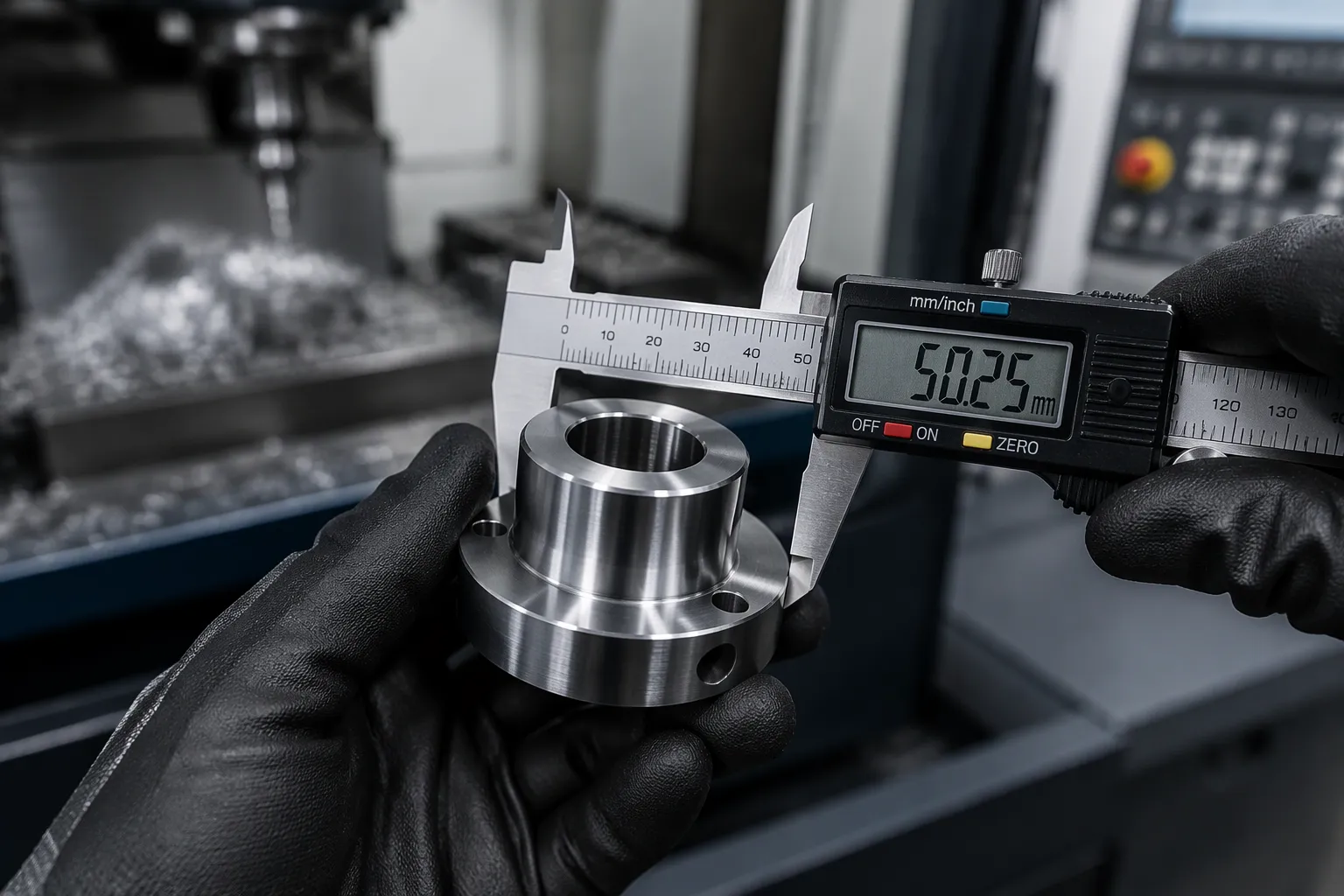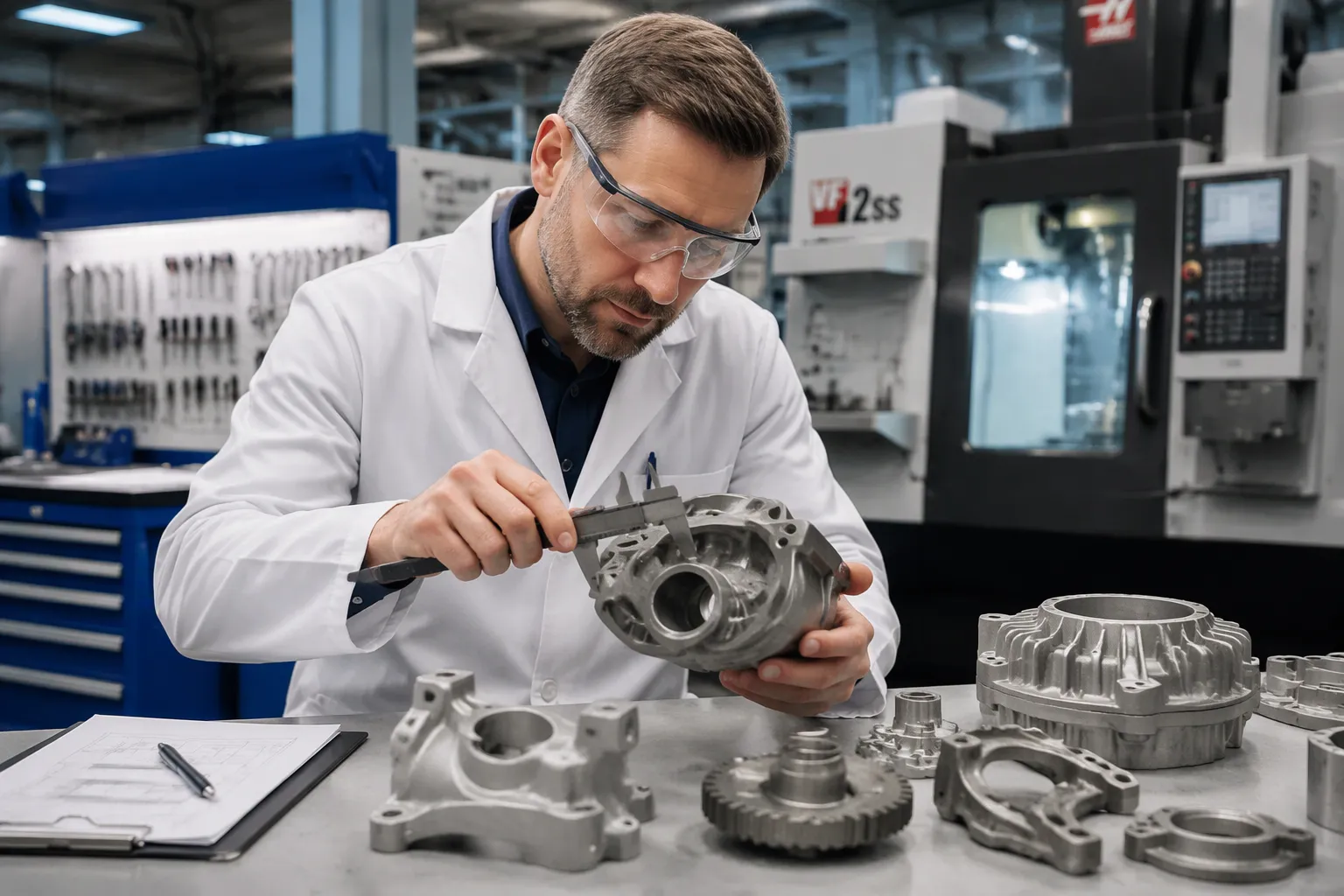
Alloy casting parts are metal components formed by pouring molten alloy into a mold cavity and letting it solidify into the desired shape. Alloy composition and casting method together determine strength, wear resistance, and cost. These parts serve as structural, wear-facing, and fluid-handling components across industrial machinery, air compressors, fluid equipment, and transportation. For American industrial buyers sourcing custom metal components, understanding alloy casting parts is essential to selecting the right supplier and process. This professional and informative B2B article about alloy casting parts for American industrial buyers explains how casting process design, mold development, and secondary CNC finishing deliver assembly-ready parts with documented traceability.
Key Takeaways
- Choose the right alloy for your part by considering the service environment, load, and production volume.
- Select a casting method that fits the part's geometry and tolerance needs, such as sand casting for large parts or investment casting for intricate details.
- Evaluate suppliers on process range, engineering support, machining capability, and documentation to ensure quality and reliability.
What Alloys Are Used in Casting Parts
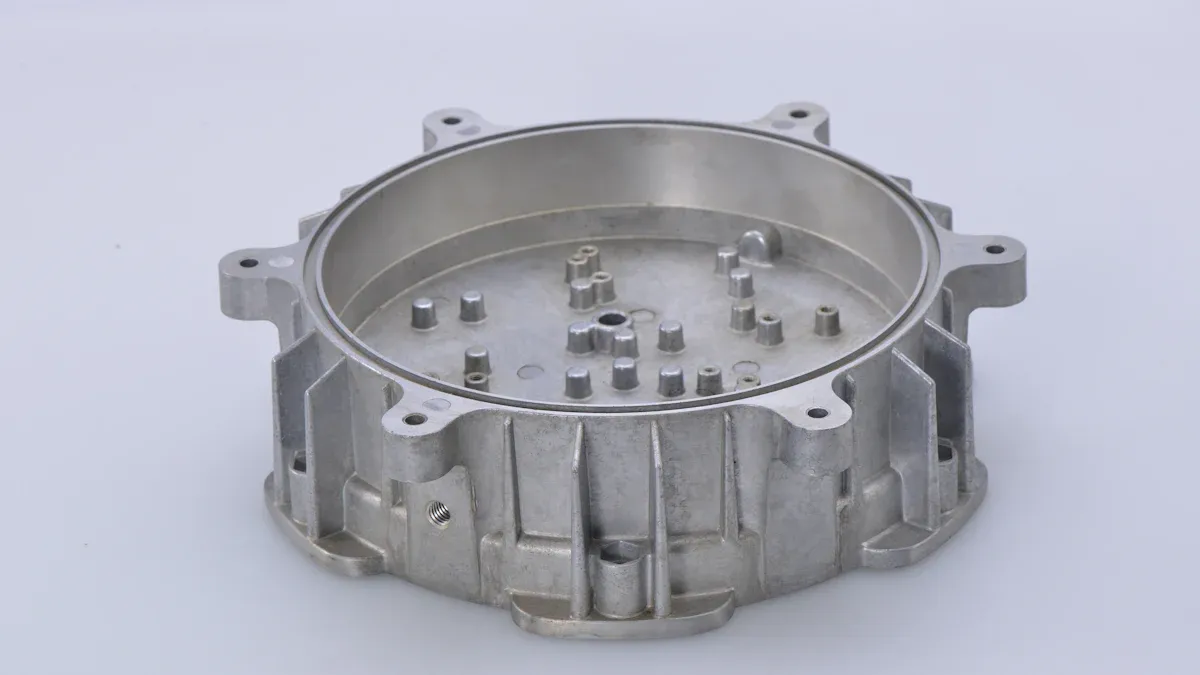
Alloy selection is the first engineering decision in any casting project. The chosen alloy sets the baseline for tensile strength, hardness, corrosion resistance, machinability, and cost. No single alloy excels at everything. Each family offers a distinct balance of properties, and that balance must match the demands of the final application. The sections below cover the major alloy families used in industrial casting and explain how each one earns its place in a finished part.
Aluminum and Zinc Alloys
Aluminum alloys are the workhorse of lightweight casting. Their low density makes them attractive for parts that must move, such as compressor components and transport equipment. Aluminum castings offer good corrosion resistance, thermal conductivity, and machinability. Common casting grades include A356 and A380. A356 responds well to heat treatment and delivers good ductility for structural housings. A380 suits high-volume die casting and general-purpose components with complex geometry.
Zinc alloys occupy a different niche. Zinc casts at lower temperatures, which extends mold life and supports thin-wall sections with tight dimensional control. Zinc castings hold excellent dimensional stability and machine cleanly. Their higher density limits weight-sensitive applications. Zinc fits small precision components, brackets, and hardware where dimensional accuracy matters more than mass.
Both families share one practical advantage for buyers. They machine quickly on CNC equipment, so secondary finishing costs stay predictable. A custom casting supplier can pour an aluminum or zinc blank and finish it to assembly-ready tolerances in one production flow.
Iron, Steel, and Copper-Based Alloys
Gray iron remains the most widely specified casting alloy for heavy industrial equipment. Its high carbon content delivers excellent vibration damping, wear resistance, and compressive strength. Gray iron also machines well and carries a low cost per pound. Mechanical housings, pump bodies, and machine bases commonly use gray iron for these reasons. Ductile iron adds nodular graphite for higher tensile strength and impact toughness, which suits load-bearing structural parts.
Steel castings serve applications that demand high strength and toughness together. Carbon steel and low-alloy steel castings handle shock loads, pressure, and elevated temperatures. Investment casting of steel produces fine surface detail and tight tolerances for valve bodies and machinery components.
Copper-based alloys bring properties that ferrous metals cannot match. Bronze and brass offer high corrosion resistance, low friction, and good thermal and electrical conductivity. Pump and valve components, bushings, and fluid-handling parts frequently use copper alloys. Seawater and chemical service favor these alloys for their resistance to aggressive media.
How Alloy Choice Shapes Part Properties
Alloy choice drives four part properties at once: strength, wear resistance, corrosion resistance, and cost. These properties trade off against each other. A high-strength steel raises load capacity and raises machining cost. A copper alloy improves corrosion resistance and raises material cost. Aluminum lowers weight and limits elevated-temperature performance.
The table below summarizes how the main alloy families compare on the properties that matter most to industrial buyers.
| Alloy Family | Strength | Wear Resistance | Corrosion Resistance | Relative Cost | Typical Parts |
|---|---|---|---|---|---|
| Aluminum | Moderate | Low to moderate | Good | Moderate | Housings, compressor parts, lightweight structures |
| Zinc | Low to moderate | Moderate | Good | Low to moderate | Small precision components, brackets, hardware |
| Gray iron | Moderate (compressive) | High | Moderate | Low | Machine bases, housings, pump bodies |
| Steel | High | High | Varies by grade | Moderate to high | Valve bodies, load-bearing components |
| Copper-based | Moderate | Low friction | High | High | Pump and valve parts, bushings, fluid components |
Casting method interacts with alloy choice. Sand casting handles gray iron, steel, and aluminum economically for medium and large parts. Precision investment casting delivers fine detail and tight tolerances for smaller, more intricate components. A supplier with both processes can recommend the alloy and method combination that meets the drawing without overspending on either material or tooling.
The practical rule is straightforward. Start with the service environment, then the load profile, then the production volume. The service environment decides corrosion resistance. The load profile decides strength and wear resistance. The production volume decides process and tooling economics. Alloy choice follows from these three inputs, and a professional and informative B2B article about alloy casting parts for American industrial buyers should treat this sequence as the foundation of every sourcing decision.
How Casting Turns Alloys into Finished Parts
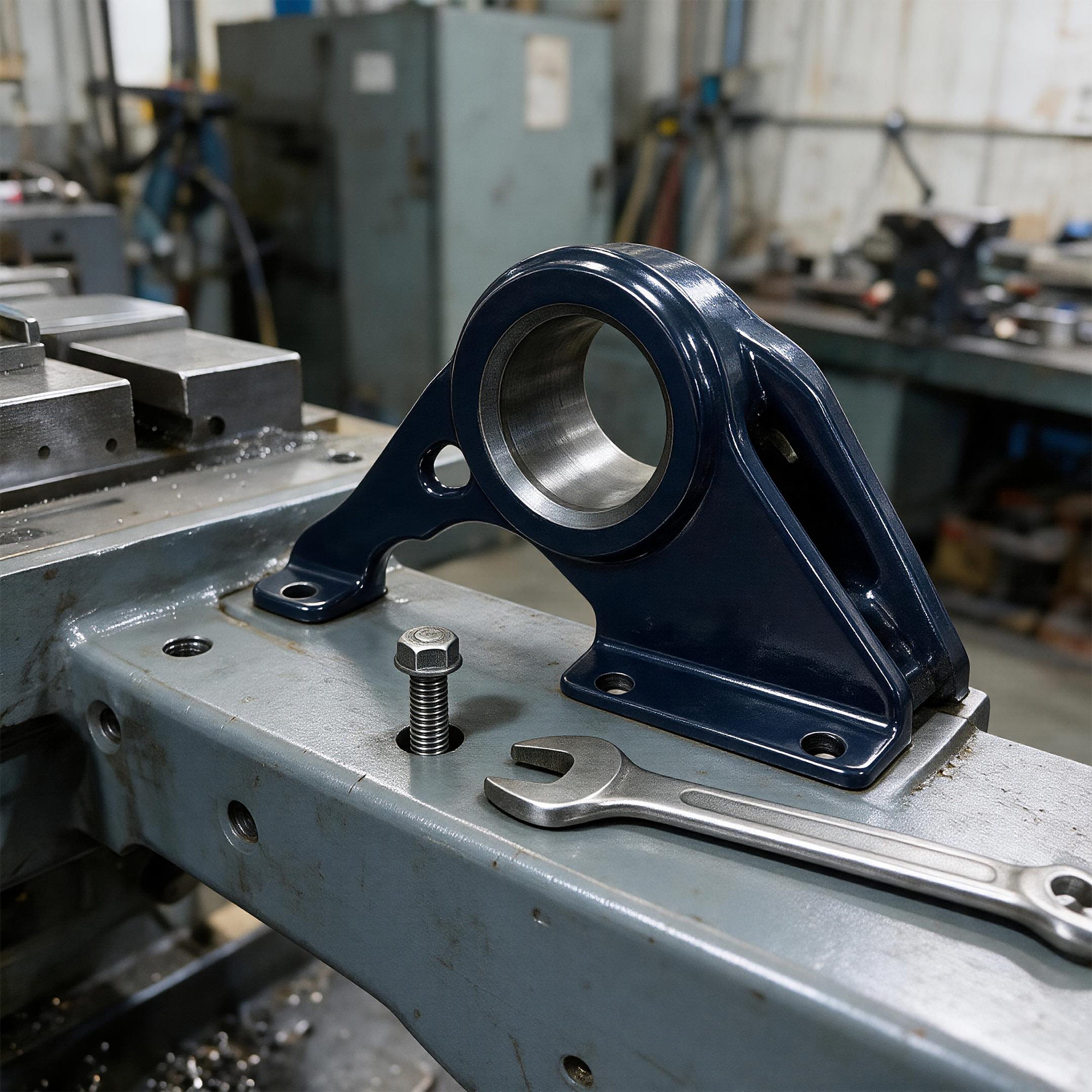
Casting converts a drawing into a solid metal part through a sequence of controlled steps. Each step builds on the one before it. A defect at any stage carries through to the finished component.
Pattern and Mold Design
The process starts with a pattern. The pattern is a replica of the part, oversized to account for metal shrinkage during cooling. Engineers design the mold around this pattern. The mold includes the gating system, which channels molten metal into the cavity, and risers, which feed the casting as it shrinks. Mold design also sets parting lines, draft angles, and core placement for internal cavities. Good mold design controls fill behavior and reduces porosity before the first pour.
Melting, Pouring, and Solidification
The alloy is melted to a specified temperature and checked for chemistry. Pouring temperature and speed affect how completely the mold fills. Metal enters the cavity and begins to cool. Solidification proceeds from the mold walls inward. Directional solidification keeps shrinkage defects in the risers rather than the part. Cooling rate influences grain structure, and grain structure influences strength and machinability.
Finishing, Machining, and Inspection
The raw casting is removed from the mold and cleaned. Shot blasting removes sand and scale. Heat treatment relieves stress or adjusts hardness when the specification requires it. CNC milling, turning, drilling, and tapping bring critical features to final dimensions. Inspection closes the loop. Dimensional checks, material testing, and production records verify that the part meets the drawing and supports export traceability.
Where Alloy Casting Parts Are Used

Alloy casting parts appear wherever machines must carry loads, resist wear, or contain fluids. The application decides the alloy, the process, and the finishing sequence. Four sectors account for a large share of industrial casting demand. Each sector places different demands on the part, and each one rewards a different combination of material and process.
Industrial Machinery and Heavy Equipment
Industrial machinery relies on castings for frames, housings, gearbox cases, bearing supports, and machine bases. These parts share a common duty profile. They carry static loads, absorb vibration, and hold critical alignment over years of service. Gray iron suits this duty well. Its graphite structure dampens vibration, and its compressive strength supports heavy loads at low material cost. Machine bases and press frames commonly use gray iron for exactly these reasons.
Heavy equipment adds shock loading to the duty profile. Ductile iron and steel castings enter the picture here. A cast steel bracket or a ductile iron pivot housing absorbs impact without cracking. The one-piece cast structure also eliminates welded joints, and welded joints represent weak points under repeated load. A cast housing with integrated mounting lugs and internal ribs distributes stress more evenly than a fabricated assembly.
Geometry drives the economics in this sector. A complex housing with irregular cavities and variable wall thickness is expensive to machine from solid bar stock. The same housing pours as a near-net shape in one molding cycle. Material waste drops, and machining time falls to the critical surfaces only. Secondary CNC finishing then brings bores, flanges, and bolt patterns to assembly tolerance. This combination of casting plus finishing gives machinery builders a cost-effective path for irregular structural components.
Air Compressors and Fluid Equipment
Air compressors and fluid equipment demand pressure tightness, corrosion resistance, and dimensional accuracy. These requirements push alloy selection in specific directions. Compressor housings, cylinder heads, and valve bodies must hold pressure without leaks. Porosity is the enemy here. Casting process design must control fill behavior and solidification so that shrinkage defects stay out of the pressure boundary.
Aluminum alloys serve compressor components that benefit from low weight and good thermal conductivity. Compressor spare parts such as housings, covers, and connection blocks often use aluminum castings with CNC-finished mating surfaces. Gray iron serves compressor bodies and bases that need vibration damping and wear resistance. Copper-based alloys serve pump and valve components exposed to water, chemicals, or seawater. Bronze and brass resist aggressive media and provide low friction at moving surfaces.
Fluid equipment adds a corrosion dimension to the specification. A pump casing in chemical service must resist the pumped medium. A valve body in seawater service must resist chloride attack. Alloy choice follows the fluid, and the casting method follows the part geometry. Precision investment casting delivers smooth internal passages and tight tolerances for smaller valve components. Sand casting handles larger pump housings and compressor frames economically. A supplier with both processes can match the method to the part instead of forcing the part into one method.
Automotive and Transportation
Transportation applications value castings for weight reduction, part consolidation, and design flexibility. Aluminum castings dominate this sector. Engine blocks, transmission housings, suspension components, and structural nodes use aluminum alloys for their favorable strength-to-weight ratio. A single aluminum casting can replace several stamped or welded pieces, and that consolidation cuts assembly steps and removes joint failure modes.
Safety-critical transportation parts demand verified quality. Suspension arms and steering components must meet strength specifications with documented evidence. Casting process control, heat treatment, and material testing all contribute to that evidence. Production records and inspection reports support traceability from melt to finished part. Transportation buyers increasingly require this documentation as a condition of supply.
Zinc alloys serve smaller transportation components such as brackets, fittings, and hardware. Zinc casts thin sections with tight dimensional control, and it machines cleanly. These properties suit high-volume small parts where dimensional consistency matters. The choice between aluminum and zinc in transportation often comes down to weight versus dimensional precision, and the application settles the question.
What to Consider When Selecting a Supplier
Supplier selection determines whether a casting project succeeds. The right supplier brings process range, engineering support, and documentation discipline. The wrong supplier brings delays, rework, and quality disputes. Buyers should evaluate candidates against a structured set of criteria.
| Criterion | What to Verify | Why It Matters |
|---|---|---|
| Process range | Sand casting and precision investment casting capability | The method must fit the part geometry, not the other way around |
| Engineering support | Casting process design, mold development, defect control | Good process design prevents porosity and shrinkage problems |
| Secondary machining | CNC milling, turning, drilling, tapping on cast blanks | Assembly-ready dimensions reduce incoming inspection burden |
| Post-processing | Shot blasting, heat treatment, surface finishing | Surface condition and hardness must meet the drawing |
| Quality documentation | Production records, inspection reports, material test records | Export shipments need traceability evidence |
| Design input formats | Custom drawings, STEP/IGS files, material specifications | Smooth data exchange shortens quoting and programming time |
| Lead time and logistics | Prototype and mass production scheduling, export packaging | Delivery reliability protects the buyer's production schedule |
Process range deserves first attention. A supplier with only one casting method will recommend that method for every part. A supplier with both sand casting and investment casting can weigh geometry, tolerance, and volume together and recommend the better fit. Engineering support comes next. Casting defects originate in process design, and a supplier with in-house mold development and defect control catches problems before the first pour.
Secondary machining capability closes the loop. A cast blank becomes an assembly-ready component only after CNC finishing. Buyers should confirm that the supplier performs milling, turning, drilling, and tapping in-house or through a controlled partner. Documentation discipline protects the buyer at the border and on the audit trail. Production records, inspection reports, and material test records should be available on request. Finally, buyers should test the supplier's responsiveness during quoting. A supplier that reviews drawings carefully and asks precise questions during quoting will likely handle production the same way.
Alloy casting parts are molten-alloy components shaped in molds, valued for tailored properties and design flexibility. Alloy choice and casting method together determine where each part fits best. Matching application requirements to supplier capabilities—process range, tolerances, documentation, and lead times—is the key decision point. Share your part drawings and requirements for evaluation.
FAQ
Which alloy should I choose for my casting part?
Start with the service environment, then the load profile, then the production volume. These three inputs point to the right alloy family and grade.
How do I choose between sand casting and investment casting?
Match the method to part geometry and tolerance needs. Sand casting suits larger parts economically. Investment casting delivers fine detail and tight tolerances for intricate components.
What documentation should I expect with cast parts?
Request production records, inspection reports, and material test records. These documents provide traceability for export shipments and support quality audits.
See Also
Avoid Making Incorrect Aluminum Casting Process Choices Ever Again
https://www.xuxiangtaimetal.com
Qingdao Xuxiangtai Machinery