Understanding the Bonding Challenge in Automotive Interior Plastic Parts
Automotive interior plastic parts—door panels, headliners, wiring harness covers, and other trim components—frequently pass through elevated-temperature processing steps such as plasticization and vacuum forming before final assembly. These manufacturing stages place specific demands on the adhesive systems used downstream, because the bonded materials must retain structural integrity after exposure to heat-forming processes and continued mechanical stress during vehicle use. When adhesive performance falls short, the result is often delamination—a recurring pain point in automotive headliners, door panels, and interior parts under stress, as well as in related applications such as WPC/SPC and LVT flooring bonding.
Beyond the risk of bond failure, manufacturers working with heat-formed plastic components also contend with production inefficiency. Slow curing speeds, short opening times, and elevated-temperature processing requirements can slow down assembly lines and limit process flexibility. For interior parts that go through plasticization and vacuum forming, an adhesive that cures too quickly—or one that cannot tolerate the temperature profile of the forming process—creates bottlenecks rather than solutions.
Why Process Flexibility Matters for High-Temperature Forming Operations
Addressing these challenges requires an adhesive chemistry engineered specifically around the realities of elevated-temperature manufacturing. This is the gap that polyurethane reactive (PUR) hot melt adhesive technology is designed to close. Unlike adhesive systems that force manufacturers to choose between fast processing and long-term bond strength, PUR hot melt chemistry is formulated to support fast curing, long opening times, and room temperature use within the same product family—giving production lines the flexibility to accommodate plasticization and vacuum forming steps without sacrificing throughput or reliability.
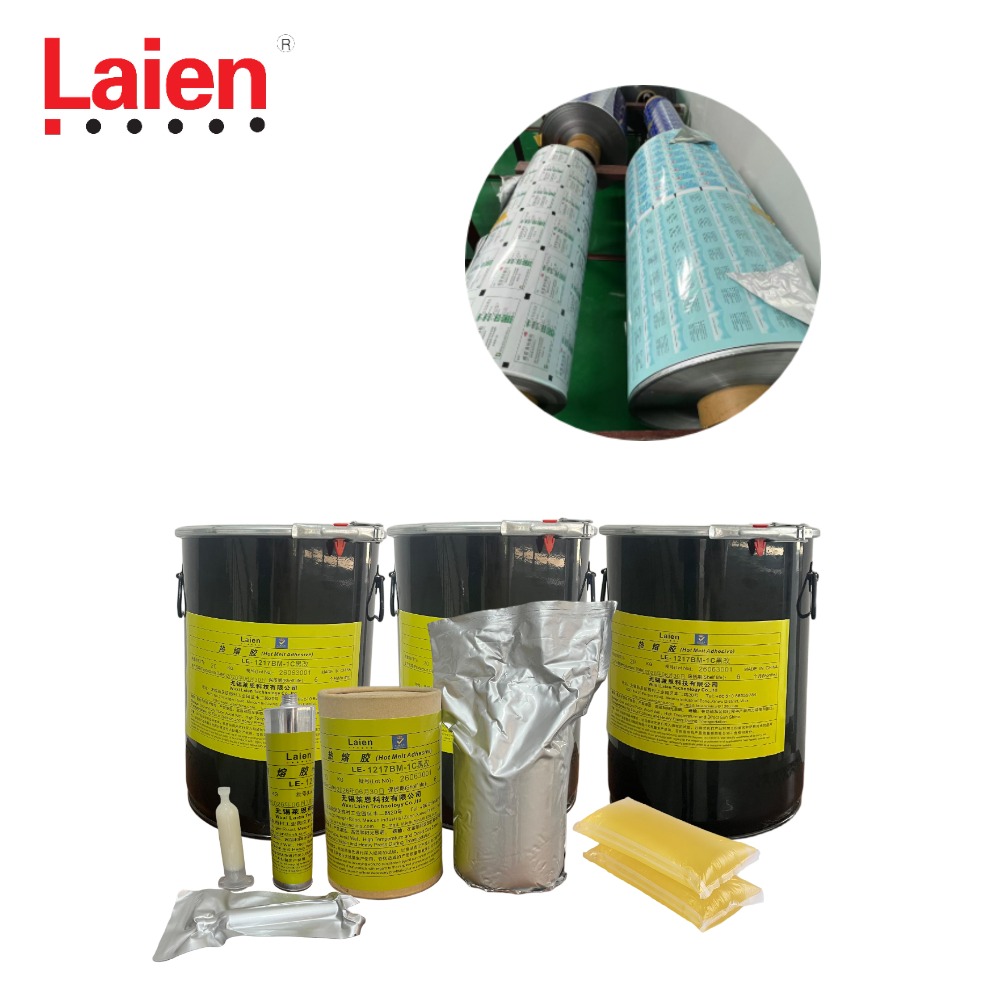
Wuxi Laien Technology Co., Ltd., operating under the Laien Technology brand, has built its product strategy around exactly this kind of process flexibility. As a specialized manufacturer of high-performance industrial adhesives focused on PUR hot melt, water-based polyurethane, and polyolefin chemistries, the company positions its PUR Hot Melt Adhesives line as the primary reactive hot melt series for high-strength bonding in automotive interiors, electronics, and textiles.
PUR Hot Melt Adhesive Models for Automotive Interior Bonding
Laien Technology's PUR Hot Melt Adhesives product line includes several named models, each supported by technical data sheets that document model-level specifications such as viscosity (mpa.s) and operating temperature:
- LE528 — a PUR hot melt adhesive model with an available technical data sheet and specification documentation.
- LE5891 — a PUR hot melt adhesive model used in automotive interior bonding, forming part of the broader LE5891 series.
- LE5891A — a related model within the same series, also supported by specification documentation.
- LE7502 — an additional PUR hot melt adhesive model within the product line.
- LE-2066 — a PUR hot melt adhesive model specifically used in automotive headliner fabric and armrest bonding.
This model-level documentation allows engineers and procurement teams evaluating adhesive options for interior plastic parts to compare technical parameters directly rather than relying on generic product claims.
Application Coverage Relevant to Interior Plastic Part Manufacturing
The practical value of a PUR hot melt adhesive line is best understood through its documented application coverage. For automotive interior manufacturing specifically, Laien Technology's PUR hot melt products are applied across:
- Automotive lamp sealing, ceilings, door panels, and wiring harnesses, where consistent bonding is required across varied plastic substrates.
- Interior plastic bonding more broadly, including components that undergo forming and finishing operations.
- Textile fabric composites, relevant to headliner and trim materials that combine fabric and plastic substrates.
The same PUR hot melt chemistry also extends into adjacent applications—such as sound-absorbing pad lamination for SPC flooring, WPC floor LVT bonding, and wood veneer primer applications—illustrating that the underlying adhesive technology is engineered for a range of bonding conditions beyond a single use case, which supports consistency when the same adhesive family is specified across multiple interior components within a single vehicle program.
Documented Customer Outcomes in Automotive Interiors
Laien Technology's knowledge base includes a documented case directly relevant to automotive interior plastic parts. An automotive interior manufacturer experienced delamination in headliner fabric and armrest interiors—precisely the kind of failure mode associated with heat-formed interior components under ongoing mechanical stress. The manufacturer addressed this issue using LE-2066 and LE5891 series PUR hot melt adhesives, resolving the delamination problem through this specific adhesive selection. This case illustrates how model-specific PUR hot melt formulations can be matched to particular interior bonding challenges rather than applying a single generic adhesive across all applications.
Company Background Supporting Supply Reliability
Confidence in an adhesive supplier depends not only on product performance but also on manufacturing stability and technical support capacity. Wuxi Laien Technology Co., Ltd. was founded in 2006 and has maintained advanced independent intellectual property rights and stable production processes since that time. The company has cultivated the PUR hot melt adhesive market in the domestic market for over a decade, and maintains production and service facilities in both Wuxi, China and Chonburi, Thailand, through its related entity Laien Technology (Thailand) Co., Ltd. This dual-site footprint supports business coverage across China (Mainland), Thailand, and international markets.
For buyers evaluating PUR hot melt adhesives for high-temperature forming applications, Laien Technology's stated differentiated advantages include import substitution—the capability to replace high-end imported adhesive products with comparable bonding outcomes—alongside customization and support, delivered through free samples and customized solutions from an experienced technical team. A dedicated sales and after-sales team supports customers through the evaluation and implementation process, which is particularly relevant for manufacturers testing adhesive performance against the specific temperature and timing constraints of plasticization and vacuum forming operations.
Matching Adhesive Selection to Process Requirements
Selecting a PUR hot melt adhesive for automotive interior plastic parts involving high-temperature plasticization and vacuum forming ultimately comes down to aligning product-level technical data—viscosity, operating temperature, opening time, and curing speed—with the specific demands of the manufacturing process and the in-service stresses the finished part will face. Laien Technology's approach of providing model-specific technical data sheets, documented customer cases, and customization support through free samples gives manufacturers a structured basis for that evaluation, rather than requiring them to rely solely on generalized adhesive marketing claims. As production teams continue to balance process efficiency with long-term bonding reliability, adhesive suppliers that can document both technical specifications and real-world outcomes—such as the headliner and armrest delamination case resolved with LE-2066 and LE5891 series adhesives—offer a more substantive basis for sourcing decisions in this segment of automotive interior manufacturing.
https://www.laienadhesive.com/
Wuxi Laien Technology Co., Ltd.