Why Textile Manufacturers Need Purpose-Built Industrial Ovens
For textile producers operating in tropical, high-humidity climates, achieving consistent heat setting results has always been a technical challenge. Traditional sun drying or boiler-based curing methods are highly weather-dependent and prone to mold, deformation, and shrinkage when humidity levels rise. For yarns and fabrics that have just been dyed, uneven heat exposure can damage fiber structure or leave inconsistent coloration—an unacceptable risk for export-grade textile production. This is why more manufacturers are turning to industrial electric heating drying ovens engineered specifically for textile heat setting applications.
Understanding the Price Drivers Behind an Industrial Oven for Textile Heat Setting
When evaluating the price of an industrial oven for textile heat setting, buyers should recognize that cost is not a single fixed number—it is shaped by several configurable variables. Key price-influencing factors include:
- Chamber dimensions: width, height, and depth can be fully tailor-made without standard restrictions, which affects material and fabrication cost.
- Temperature range and control accuracy: options range from RT+10~300°C on standard models to RT+15~600°C on high-temperature variants, with resolution as tight as ±0.1°C on premium configurations.
- Load-bearing reinforcement: a reinforced bottom structure supporting 10–25 kg is available for heavier fabric rolls or batch loads.
- Voltage customization: surge-protected, custom voltage configurations are engineered to handle Vietnam's unstable local grid conditions, adding an extra layer of electrical protection.
- Delivery timeline: standard delivery runs 15–25 days, while fully custom configurations require 30–45 days, which can influence overall project cost planning.
Standard vs Custom Configurations
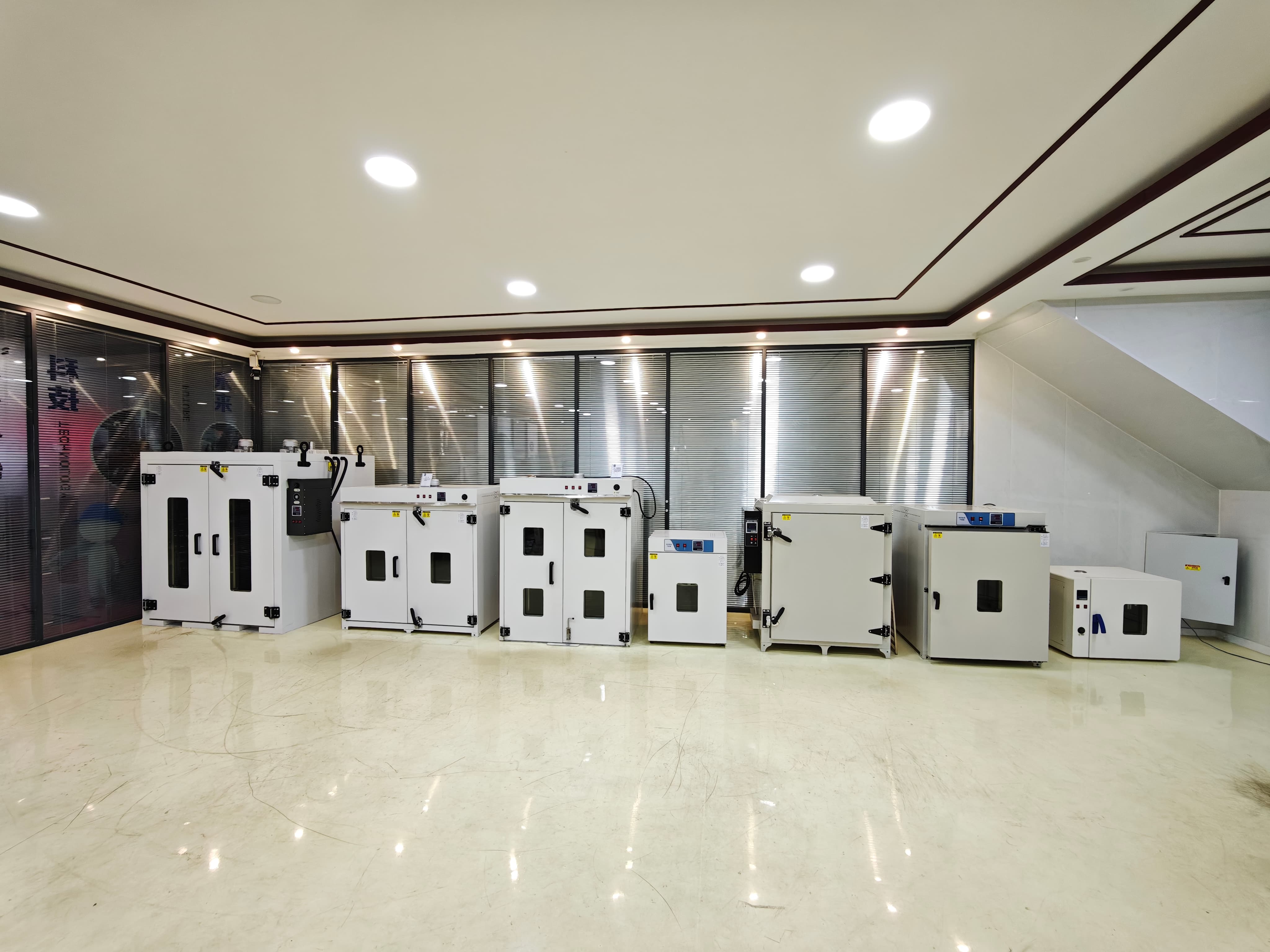
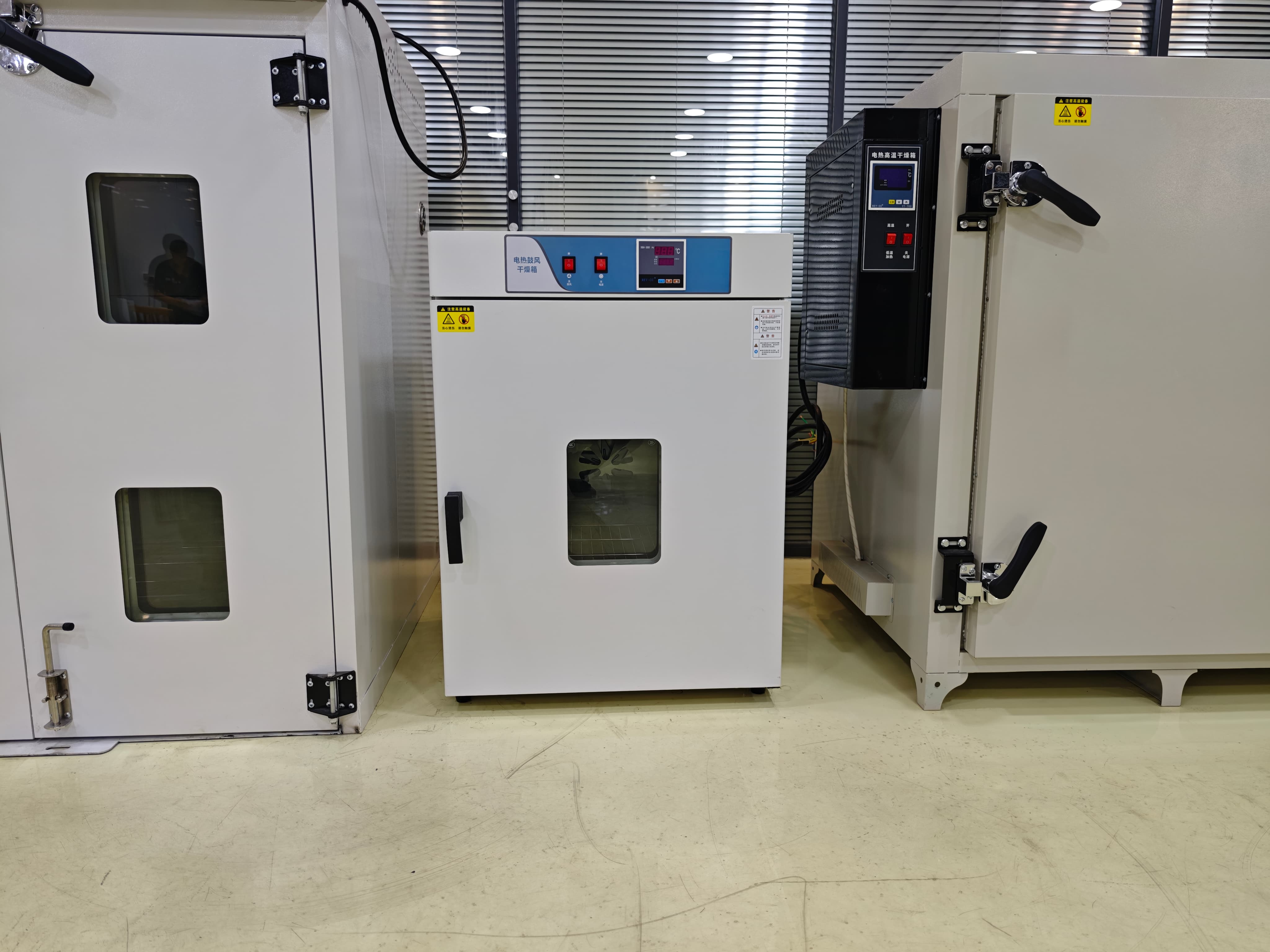
Textile manufacturers with straightforward batch requirements may find standard vertical drying ovens sufficient, offering a temperature control range of RT+10~300°C, ±1°C resolution, and an optional trolley for easier material handling. However, operations with irregular fabric rolls, heavier loads, or stricter temperature uniformity needs typically require custom industrial ovens with tailored width, height, depth, and reinforced structures—these deliver better long-term value by avoiding the need to cut workpieces or run multiple smaller batches.
The Electric Drying Curing Oven: A Textile-Specific Solution
Among the available product lines, the Electric Drying Curing Oven is specifically positioned for industrial drying and curing applications, including the drying and heat setting of yarns and fabrics after dyeing, as well as natural rubber drying. This matters because traditional boiler-based curing systems generate waste gas, waste heat, and noise pollution—issues that electric heating eliminates entirely. Electric heating also provides high thermal efficiency without damaging fabrics, a critical requirement for maintaining fabric quality and color integrity during heat setting.
The Electric Drying Curing Oven supports full customization of temperature range and chamber dimensions to fit special textile workpieces, along with custom voltage and surge protection suited to local Vietnam grid conditions. In a documented case from a sheet metal production line in Vietnam, electric infrared heating technology was applied for 120°C moisture drying and 180°C powder curing, resulting in energy consumption reduced by about 30% compared with traditional convection heating, along with shortened production cycles and improved coating surface quality. While this case involved metal coating rather than textiles, it demonstrates the underlying electric heating technology's efficiency gains that apply across curing and heat-setting processes.
Technical Capabilities That Justify the Investment
Several technical specifications underpin the value proposition of these ovens. The intelligent PID temperature controller, paired with an intelligent LCD digital display, ensures accurate and stable temperature regulation throughout the heat setting cycle. Stainless steel heating tubes—available in O-type, fin-type, or U-type finned configurations—combined with forced air circulation using rear, side, or top blowing configurations, ensure even heat distribution across the fabric load. Electric heating also converts energy at close to 100% efficiency, with heat generated directly inside the drying chamber rather than lost through long-distance pipeline transport, as is common with steam-based systems.
Comparing Cost of Ownership: Electric Heating vs Traditional Systems
Beyond the upfront purchase price, textile manufacturers should weigh total cost of ownership. Electric heating systems generate zero combustion emissions during operation, which removes the end-of-pipe treatment burden associated with regulations such as Vietnam's QCVN 19:2009/BTNMT and supports compliance with the EU Carbon Border Adjustment Mechanism (CBAM)—both relevant for export-facing textile operations. Additionally, energy consumption is reduced by about 30% compared with traditional convection heating, and operational costs can be further lowered through off-peak electricity scheduling under time-of-use pricing structures. These factors mean that while a fully customized industrial oven may carry a higher initial price than a basic model, the reduction in emissions compliance costs, energy consumption, and maintenance can offset that difference over the equipment's service life.
Delivery, Warranty, and Service Value
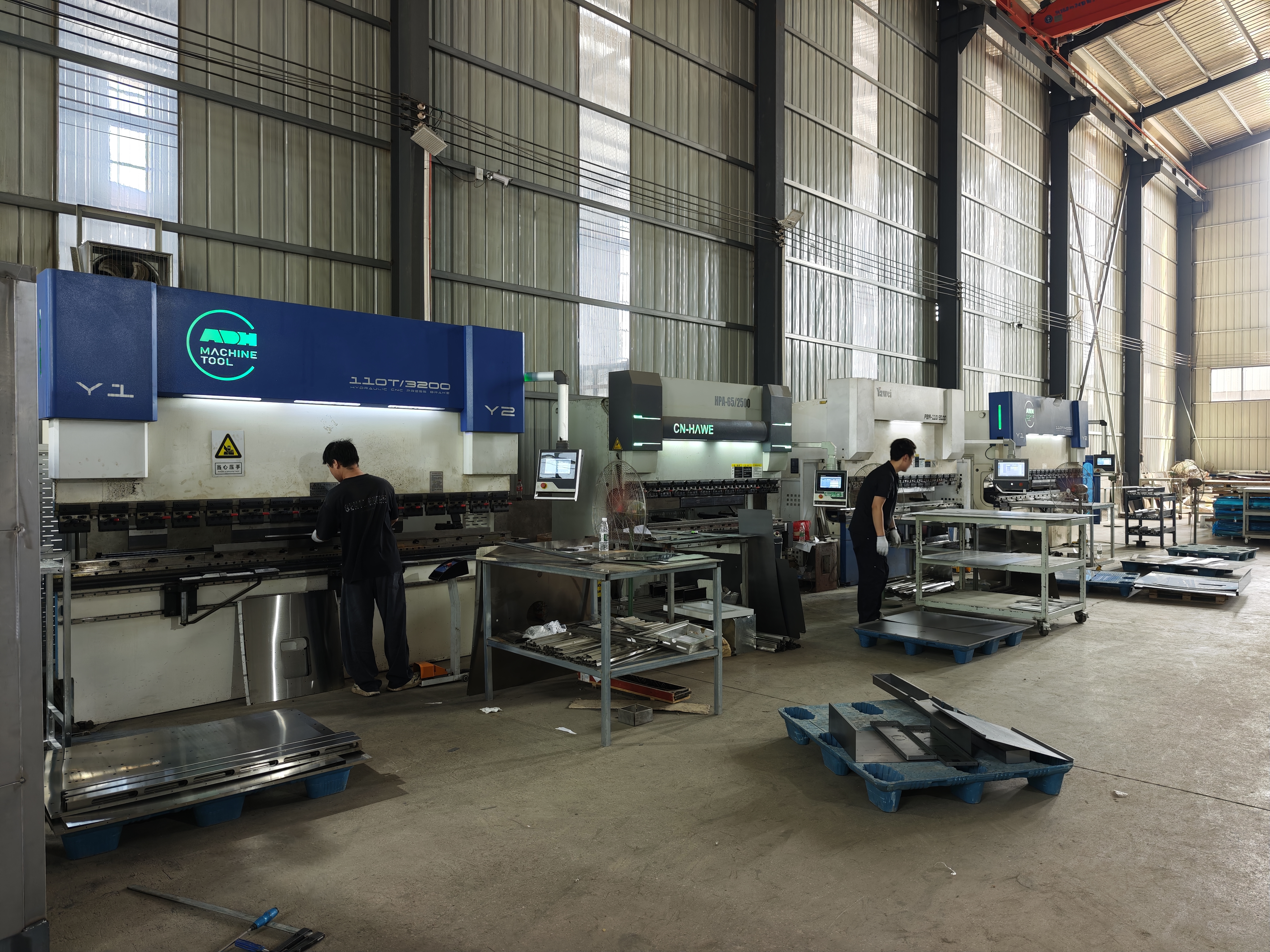
Pricing discussions should also account for service assurance terms. Standard models ship in 15–25 days, while custom-built ovens require 30–45 days for full customization and manufacturing. All units come with a 12-month whole machine warranty, and select models—such as the Standard Vertical Drying Oven and High-temperature Drying Oven—carry a 3-year warranty, with the High-temperature Drying Oven also receiving lifelong maintenance support. Export packaging uses fumigation-free plywood with moisture protection suited for sea shipment, which is a relevant consideration for textile manufacturers importing equipment into Vietnam or shipping finished goods internationally.
Market Context Supporting Investment Decisions
The broader market context reinforces why electric heating technology is gaining traction in Southeast Asia. The regional electric heating element market reached approximately US$4.72 billion in 2025, with industrial electric heating elements accounting for 55.3% of demand—indicating that textile and other industrial manufacturers are increasingly adopting this technology over traditional combustion-based systems.
Making the Right Purchase Decision
Ultimately, the price of an industrial oven for textile heat setting should be evaluated against the specific requirements of the fabric type, batch size, required temperature uniformity, and compliance obligations. Manufacturers offering full customization on width, height, depth, temperature range, control accuracy, and heavy-load reinforcement—alongside custom voltage protection for Vietnam's local grid—provide textile producers with a configuration that matches their exact production needs rather than a one-size-fits-all unit. For textile operations seeking a weather-independent, emissions-compliant, and energy-efficient heat setting solution, requesting a customized quote based on chamber size, temperature range, and required delivery timeline remains the most accurate way to determine final pricing.
https://www.obuytech.com/
Jiangsu Obuy New Energy Development Co., Ltd.