In horizontal directional drilling (HDD), increasing penetration speed in difficult formations is rarely achieved by simply applying more force or increasing machine power. In reality, drilling efficiency is determined by how well the entire system is balanced—this includes cutting performance, tool stability, fluid management, and parameter control.
Hard formations such as compact gravel layers, dense clay, and weathered rock present a particularly challenging environment. These conditions increase resistance, accelerate tool wear, and often lead to unstable boreholes if the tooling system is not properly matched. In most cases, productivity loss is not caused by the rig itself, but by inefficient interaction between the reamer and the formation.
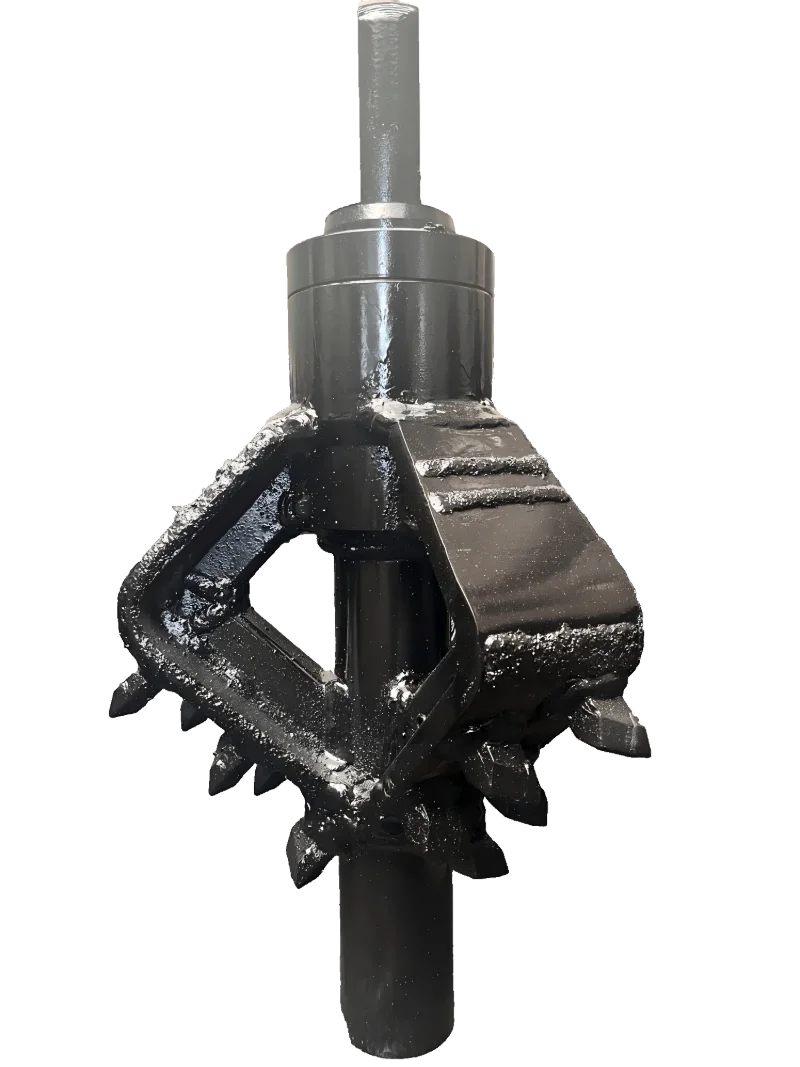
To address this, proper selection of HDD tooling—especially the reamer design—becomes essential. The HDD Diamond Wing Cutter Reamers developed by Unique Drilling Tools are specifically designed for such demanding conditions. Featuring aggressive cutting geometry, reinforced structural design, and wear-resistant surface treatment, they are intended to improve cutting efficiency and maintain stability in hard soil environments.
This article outlines practical engineering approaches to improving drilling speed in hard soil using these tools, focusing on both equipment selection and field optimization methods.
Why hard soil significantly reduces HDD efficiency
Hard ground conditions introduce multiple operational challenges that directly affect drilling speed and consistency. Common issues include:
-
Increased torque requirements and higher mechanical load on equipment
-
Faster wear of cutting surfaces and structural components
-
Strong vibration and instability in the drill string
-
Difficulty maintaining borehole integrity
-
Inefficient removal of cuttings due to poor fluid circulation
From a performance standpoint, HDD projects operating in hard formations often experience a 30%–50% reduction in penetration rate compared to softer soil conditions. In more complex geological layers, the reduction can be even more severe when tool selection is not appropriate.
The main limiting factors are cutting inefficiency, poor energy transfer to the formation, and inadequate removal of drilled material.
Step 1: Selecting a reamer designed for hard formations
Tool geometry plays a decisive role in how efficiently hard soil can be broken down. Reamers intended for such environments typically need to prioritize cutting aggressiveness and structural rigidity.
Aggressive cutting profile
Hard formations require a tool that fractures material rather than simply grinding it. The shark-tooth cutting structure used in Unique Drilling Tools HDD Diamond Wing Cutter Reamers is designed to concentrate force at the cutting edge, improving fragmentation efficiency while controlling chip size to avoid blockage in the borehole.
Reinforced structural stability
In high-resistance conditions, torque loads increase significantly. A thru-shaft reinforced structure helps distribute stress evenly across the tool body, reducing deformation and vibration. This stability allows smoother energy transfer from the rig to the cutting face.
Wear-resistant carbide reinforcement
Hard soil is highly abrasive. The use of robotically applied carbide mesh grit hard facing significantly improves resistance to surface wear. This helps maintain cutting performance over longer drilling distances and reduces the frequency of tool replacement.
Step 2: Adjusting drilling parameters for optimal performance
Even advanced tooling requires proper operational settings to achieve maximum efficiency.
Balanced rotation speed and torque
Excessively high rotation speeds can accelerate wear and reduce cutting efficiency, while overly low speeds limit penetration. The optimal approach is to maintain a balanced RPM range matched to soil resistance and tool diameter.
Controlled pullback speed
Pullback rate must align with soil conditions and mud transport capability. In hard soil, a stable and moderate pullback speed ensures continuous cutting action without overloading the tool or disrupting borehole stability.
Proper drilling fluid management
Drilling fluid plays a key role in transporting cuttings. In dense formations, cut material tends to be heavier and more difficult to evacuate. Maintaining appropriate fluid viscosity and flow rate helps prevent accumulation and reduces drag inside the borehole.
Step 3: Maintaining drill string stability during operation
Vibration and deviation are common issues in hard soil drilling and can significantly slow progress.
A stable reamer design helps minimize these effects. The structural configuration of Unique Drilling Tools HDD Diamond Wing Cutter Reamers reduces oscillation and maintains alignment under load, allowing smoother rotation.
In addition, maintaining proper borehole trajectory is critical. Any deviation increases side pressure on the tool, which reduces cutting efficiency and increases resistance. Continuous monitoring and correction help ensure the reamer remains in an optimal cutting position rather than scraping against the borehole wall.
Step 4: Managing tool wear and operational continuity
In hard soil projects, tool lifespan becomes a key factor influencing overall productivity. Frequent tool changes can significantly disrupt drilling progress.
Regular inspection routine
A structured inspection process should include:
-
Monitoring cutter edge wear
-
Checking carbide surface condition
-
Inspecting shaft alignment and straightness
-
Evaluating thread integrity and connection stability
Early detection of wear allows operators to replace or service tools before failure occurs, avoiding unplanned downtime.
Manufacturing quality consistency
Performance stability is also linked to manufacturing standards. Unique Drilling Tools utilizes advanced production technologies, including:
-
Intermediate frequency heat treatment systems
-
Friction welding processes
-
Four-axis CNC machining centers
-
Tungsten carbide welding equipment
These processes ensure consistent mechanical strength and wear resistance, which is especially important in high-load drilling environments.
Step 5: Improving hole cleaning efficiency
Efficient removal of cuttings is essential for maintaining drilling speed in hard soil conditions.
Enhancing fluid circulation
Hard formations produce heavier debris, which requires stronger fluid transport capability. Increasing flow efficiency helps prevent material accumulation and reduces resistance inside the borehole.
Monitoring annular pressure
Pressure fluctuations in the annular space often indicate poor cuttings evacuation. Continuous monitoring allows operators to adjust flow rate and drilling parameters before clogging occurs.
Importance of reliable tooling in HDD performance
In real project environments, downtime is often more costly than gradual wear. Equipment failure or inefficiency can delay entire drilling schedules and increase operational costs.
This is why tool reliability is critical. The HDD Diamond Wing Cutter Reamers from Unique Drilling Tools are engineered to maintain performance stability under high-load conditions, making them suitable for complex geological environments across Europe, North America, Oceania, and Southeast Asia.
FAQ
Why does drilling speed drop in hard soil?
Because resistance increases, cutting becomes less efficient, and cuttings are harder to remove from the borehole.
What advantages do diamond wing cutter reamers provide?
They deliver stronger cutting action and improved durability, allowing better performance in dense or compact formations.
How does carbide hard facing improve efficiency?
It increases abrasion resistance, helping the cutting surface stay effective for longer periods.
Does reamer size affect drilling performance?
Yes. Proper sizing ensures balanced cutting engagement and reduces unnecessary drag, improving penetration efficiency.
Conclusion
Improving HDD drilling speed in hard soil requires a combination of proper tool selection, optimized drilling parameters, and effective fluid management. No single factor determines performance; instead, efficiency comes from system-level coordination between equipment and operation.
Tools such as the HDD Diamond Wing Cutter Reamers from Unique Drilling Tools are designed to support this balance, providing structural stability, enhanced cutting capability, and improved wear resistance for challenging drilling environments.
www.uniquehdd.com
Jiangyin Unique Drilling Tools Co., LTD.