Choosing the right vacuum cleaner can make everyday cleaning faster, easier, and more efficient. With the growing popularity of versatile cleaning appliances, the 2-in-1 vacuum cleaner has become a practical option for homes, apartments, offices, and other indoor spaces. By combining two cleaning functions in one appliance, this type of vacuum can provide greater flexibility than a conventional floor vacuum.
However, there is another important decision to make: corded or cordless? A corded 2-in-1 vacuum cleaner provides continuous power as long as it is connected to an electrical outlet, while a cordless model relies on a rechargeable battery. Both designs have their own advantages, and the better choice depends on your cleaning habits, home layout, desired runtime, maintenance preferences, and budget.
In this guide, we will compare corded vs. cordless 2-in-1 vacuum cleaners in terms of power, runtime, mobility, convenience, maintenance, cleaning performance, and practical applications. Understanding these differences can help you select a vacuum cleaner that better matches your everyday cleaning needs.
What Is a 2-in-1 Vacuum Cleaner?
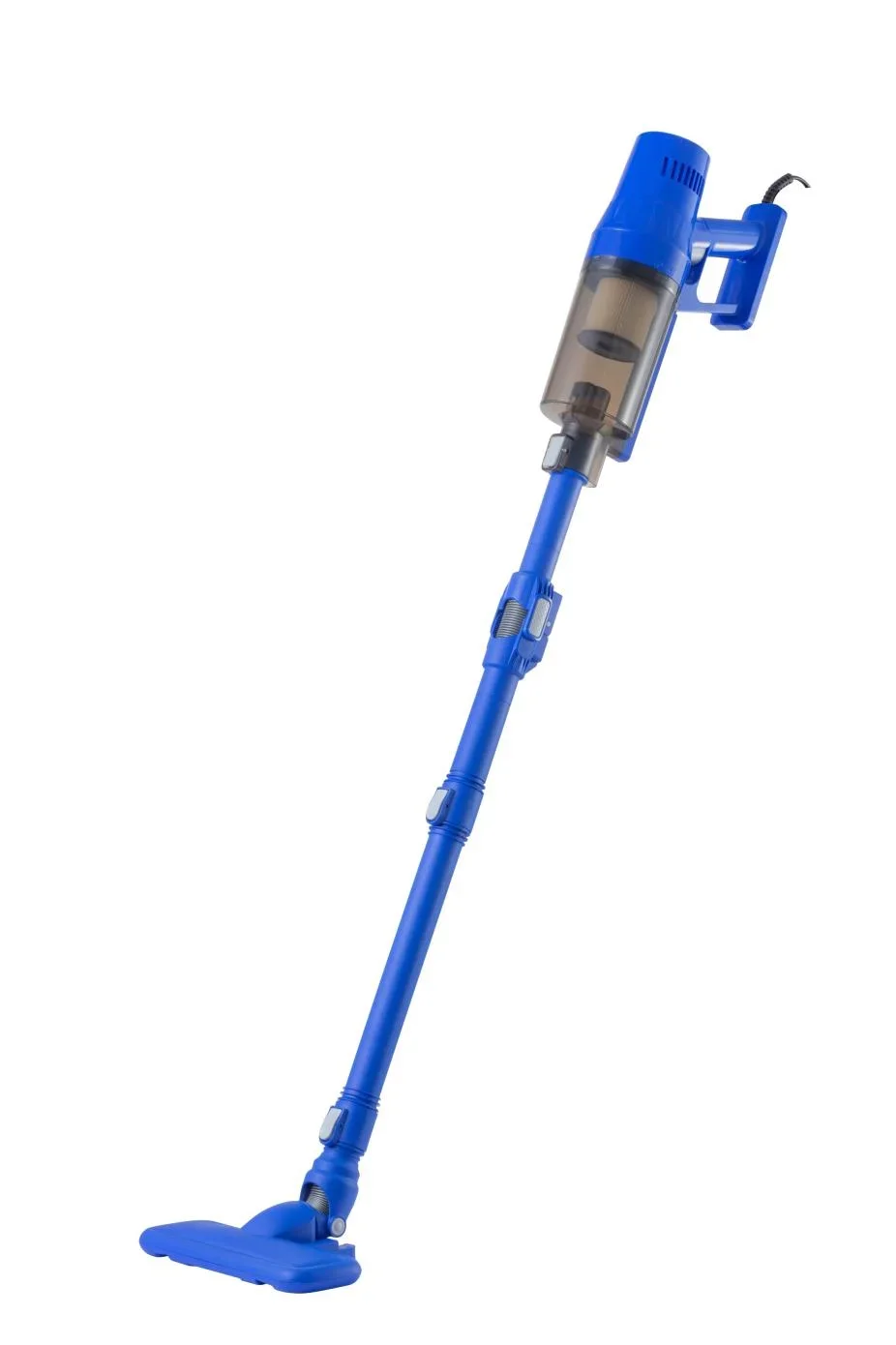
A 2-in-1 vacuum cleaner is designed to perform more than one cleaning function, usually by combining the capabilities of a stick vacuum and a handheld vacuum. Depending on the product design, the main vacuum body or cleaning head can be detached or converted for cleaning different areas.
For example, the stick configuration can be used for floors, carpets, and larger surfaces, while the handheld configuration can help clean sofas, stairs, furniture, shelves, car interiors, and other hard-to-reach spaces.
This multifunctional design is one of the main reasons consumers choose a 2-in-1 vacuum cleaner for home cleaning. Instead of keeping separate appliances for floors and smaller surfaces, users can handle different cleaning tasks with one versatile machine.
The basic concept is similar for both corded and cordless models. The biggest difference is how the vacuum receives power.
A corded 2-in-1 vacuum cleaner uses electricity directly from a wall outlet. A cordless 2-in-1 vacuum cleaner uses a rechargeable battery and does not need to remain connected to an outlet during operation.
Corded vs. Cordless: The Basic Difference
At first glance, the difference between the two types seems simple. One has a power cord and the other does not. In actual use, however, this difference affects almost every aspect of the cleaning experience.
A corded model is generally designed around continuous electrical power. Once connected, it can operate without worrying about battery capacity. This can be particularly useful when cleaning large areas or performing longer cleaning sessions.
A cordless model prioritizes freedom of movement. Without a power cable, users can move between rooms more easily and clean areas where electrical outlets are inconvenient or unavailable.
Neither design is automatically better for everyone. The right choice depends on which factor matters more to you: unlimited operating time or maximum mobility.
1. Power Supply and Cleaning Performance
Power is one of the first factors many people consider when choosing a vacuum cleaner.
A corded model draws electricity directly from the mains. This provides a stable power supply during operation and eliminates concerns about battery depletion. For users who regularly clean larger areas, this can be a significant advantage.
A corded 2-in-1 vacuum cleaner can be especially useful when cleaning an entire home in one session. You can move from one room to another without stopping to recharge the battery.
Cordless models, on the other hand, depend on battery capacity and power management. Modern cordless vacuum cleaners can provide strong cleaning performance, but available runtime varies depending on the battery, motor power, cleaning mode, floor type, and other factors.
For example, using a higher-power mode for carpet cleaning may consume considerably more battery than using a lower-power mode on a hard floor.
Therefore, if uninterrupted operation is your primary concern, a corded model may have an advantage.
2. Runtime: The Major Advantage of Corded Models
One of the biggest differences between corded and cordless vacuum cleaners is runtime.
With a corded appliance, runtime is generally limited by the user's willingness to continue cleaning rather than by battery capacity. As long as the vacuum remains connected to a suitable power outlet, it can continue operating.
This makes a corded 2-in-1 vacuum cleaner a practical choice for:
-
Large homes
-
Offices
-
Long cleaning sessions
-
Heavy-duty household cleaning
-
Areas that require repeated vacuuming
-
Users who do not want to wait for battery charging
A cordless model has a defined operating time. Once the battery reaches a low level, cleaning may need to stop until the battery is recharged.
For a small apartment that can be cleaned within one battery cycle, this may not be a major problem. For a larger house, however, battery limitations may become more noticeable.
If you frequently prefer to clean your entire home in one session, continuous power can be a valuable benefit.
3. Mobility and Ease of Movement
When it comes to mobility, cordless vacuum cleaners have a clear advantage.
Without a power cord, you do not need to repeatedly move the plug from one outlet to another. You can move between rooms, around furniture, and into tighter spaces with fewer restrictions.
A cordless 2-in-1 vacuum cleaner can be particularly convenient for quick cleaning tasks. If you notice crumbs on the floor or dust on a sofa, you can pick up the vacuum and start cleaning without looking for a nearby outlet.
Corded models require more planning. The cable must reach the area being cleaned, and users may need to unplug and reconnect the machine when moving farther away.
However, cord management does not necessarily make a corded vacuum difficult to use. With an appropriately long power cable and a well-designed structure, users can still clean efficiently.
The key difference is convenience rather than basic cleaning capability.
4. Which One Is Better for Quick Daily Cleaning?
For quick cleaning, cordless models are often more convenient.
Imagine cleaning up a small amount of dirt after breakfast. With a cordless vacuum, you can simply pick it up, switch it on, clean the area, and put it away.
A 2-in-1 vacuum cleaner makes this even more practical because the handheld function can be used for tables, sofas, countertops, stairs, and other small areas.
Corded models can also handle quick cleaning tasks effectively, but connecting the power cable may feel less convenient when the cleaning job takes only a few minutes.
Therefore, if your cleaning routine involves frequent short cleaning sessions, a cordless model may fit your lifestyle better.
5. Which One Is Better for Large Areas?
For larger cleaning areas, corded models have an important advantage: continuous operation.
When cleaning several bedrooms, living rooms, hallways, and other spaces, you do not need to monitor battery levels. This allows you to focus on cleaning instead of planning around charging cycles.
A 2-in-1 corded vacuum cleaner can therefore be an attractive solution for users who prioritize long cleaning sessions.
However, the actual usability also depends on the length of the cord. A short cable can limit the practical cleaning range, while a longer cable can provide greater coverage.
Cordless models can also be used for large homes, especially when they have a high-capacity battery or replaceable batteries. But users should check the manufacturer's stated runtime and understand that actual performance may vary according to cleaning mode and surface type.
6. Portability and Cleaning Hard-to-Reach Areas
Portability is another important consideration.
Cordless models are usually easier to carry from one location to another because there is no cable to manage. This can be useful when cleaning stairs, vehicles, balconies, storage areas, or rooms located far from electrical outlets.
The handheld function of a 2-in-1 vacuum cleaner further improves flexibility.
For example, you may use the stick configuration to vacuum the floor, remove the handheld unit, and then clean dust from a sofa or furniture. This eliminates the need to switch to a completely different appliance.
Corded models can perform the same functions, but the power cord may become an obstacle when working in elevated or confined areas.
If portability is one of your top priorities, cordless technology deserves serious consideration.
7. Battery Maintenance vs. Cord Management
Both types require some form of maintenance, but the maintenance tasks are different.
Cordless models require attention to battery care. Battery performance can gradually change over time, and charging habits, storage conditions, operating temperature, and usage frequency can influence battery life.
Users should follow the manufacturer's charging and storage recommendations. Keeping the battery in appropriate conditions can help maintain reliable performance.
Corded models do not have the same battery-related considerations. Instead, users should inspect the power cord and plug regularly for visible damage and avoid bending, twisting, or storing the cable improperly.
In both cases, regular filter cleaning, dust-bin emptying, brush maintenance, and removal of tangled hair are important for maintaining cleaning efficiency.
8. Dust Capacity and Cleaning Frequency
Dust-bin capacity is another factor that should not be overlooked.
A larger dust container means users can typically clean for longer before stopping to empty it. A smaller container may be more suitable for compact, lightweight vacuum cleaners but may require more frequent emptying.
When comparing a cordless 2-in-1 vacuum cleaner with a corded model, do not assume that the power source determines dust capacity. Dust-bin size is primarily a product design feature.
Instead, look at the actual specifications of each model.
For households with pets, children, or high levels of daily dust, a practical dust-bin capacity can make a noticeable difference. Users should also consider whether the dust container is easy to remove and clean.
9. Noise and User Comfort
Noise is another practical consideration when selecting a vacuum cleaner.
The perceived noise level depends on the motor, airflow system, cleaning mode, structure, and other design factors. Corded and cordless models can both be designed for relatively comfortable operation, so the power source alone does not determine which model is quieter.
User comfort also depends on weight, handle design, balance, controls, and the movement of the cleaning head.
A lightweight 2-in-1 vacuum cleaner may be particularly useful for users who frequently clean stairs, furniture, ceilings, or other elevated areas.
If you plan to use the handheld function regularly, pay attention not only to the total weight of the vacuum but also to how the weight is distributed when the handheld unit is removed.
10. Storage Considerations
Storage is often overlooked until the vacuum cleaner becomes part of your daily routine.
Cordless models are generally convenient to store because there is no long cable that needs to be wrapped. Some models can be placed on charging docks or wall-mounted storage systems, depending on their design.
A corded model requires space for both the vacuum and its cable. However, this does not necessarily mean it requires significantly more storage space.
If your home has limited storage space, consider the overall dimensions, handle structure, detachable components, and cable storage design before making a purchase.
Final Thoughts
So, corded vs. cordless 2-in-1 vacuum cleaner: which one should you choose?
The answer depends on what you value most.
A corded model provides continuous access to electrical power and can be particularly useful for large homes, extended cleaning sessions, and users who want consistent operation without battery limitations. A cordless model offers outstanding mobility, quick access, and flexibility, making it convenient for daily spot cleaning and areas where cables can become inconvenient.
More importantly, the best 2-in-1 vacuum cleaner should match your actual cleaning requirements. Consider the size of your home, cleaning frequency, floor types, desired runtime, portability, maintenance needs, dust capacity, and overall product design before making a decision.
For manufacturers and suppliers developing 2-in-1 vacuum cleaners, balancing suction performance, ergonomic design, versatile cleaning functions, power efficiency, and user convenience is equally important. A well-designed product should not simply combine two cleaning modes; it should provide a practical and reliable solution for different everyday cleaning scenarios.
Ultimately, both corded and cordless designs can be excellent choices. The right one is the model that delivers the combination of cleaning performance, flexibility, convenience, and long-term usability that best fits your cleaning routine.
www.wsd-mastercleaner.com
wsd-mastercleaner