Industrial facilities operating in highly regulated sectors face a critical challenge: achieving absolute steam purity while maintaining operational efficiency. From pharmaceutical manufacturing to food processing, contamination risks pose threats to product quality, regulatory compliance, and consumer safety. This reality has driven demand for advanced steam generation solutions that eliminate chemical contamination at the source.
Understanding the Purity Imperative in Regulated Industries
Traditional steam generation systems introduce inherent contamination risks through chemical additives, boiler treatment compounds, and material corrosion. In pharmaceutical manufacturing, even trace contaminants can compromise drug efficacy and trigger costly production shutdowns. Food processing operations face similar constraints, where steam contacting ingredients or packaging must meet stringent purity standards. Medical sterilization environments demand absolute reliability, as contaminated steam directly impacts patient safety.
The pharmaceutical sector exemplifies these challenges. Central Sterile Supply Departments (CSSD) in hospitals require continuous steam availability for instrument sterilization. Any interruption or quality degradation creates immediate patient care risks. Similarly, food production facilities supplying major retail chains must demonstrate compliance with international safety standards, where steam quality documentation forms part of supplier audits.
Material Science: The 316L Stainless Steel Advantage
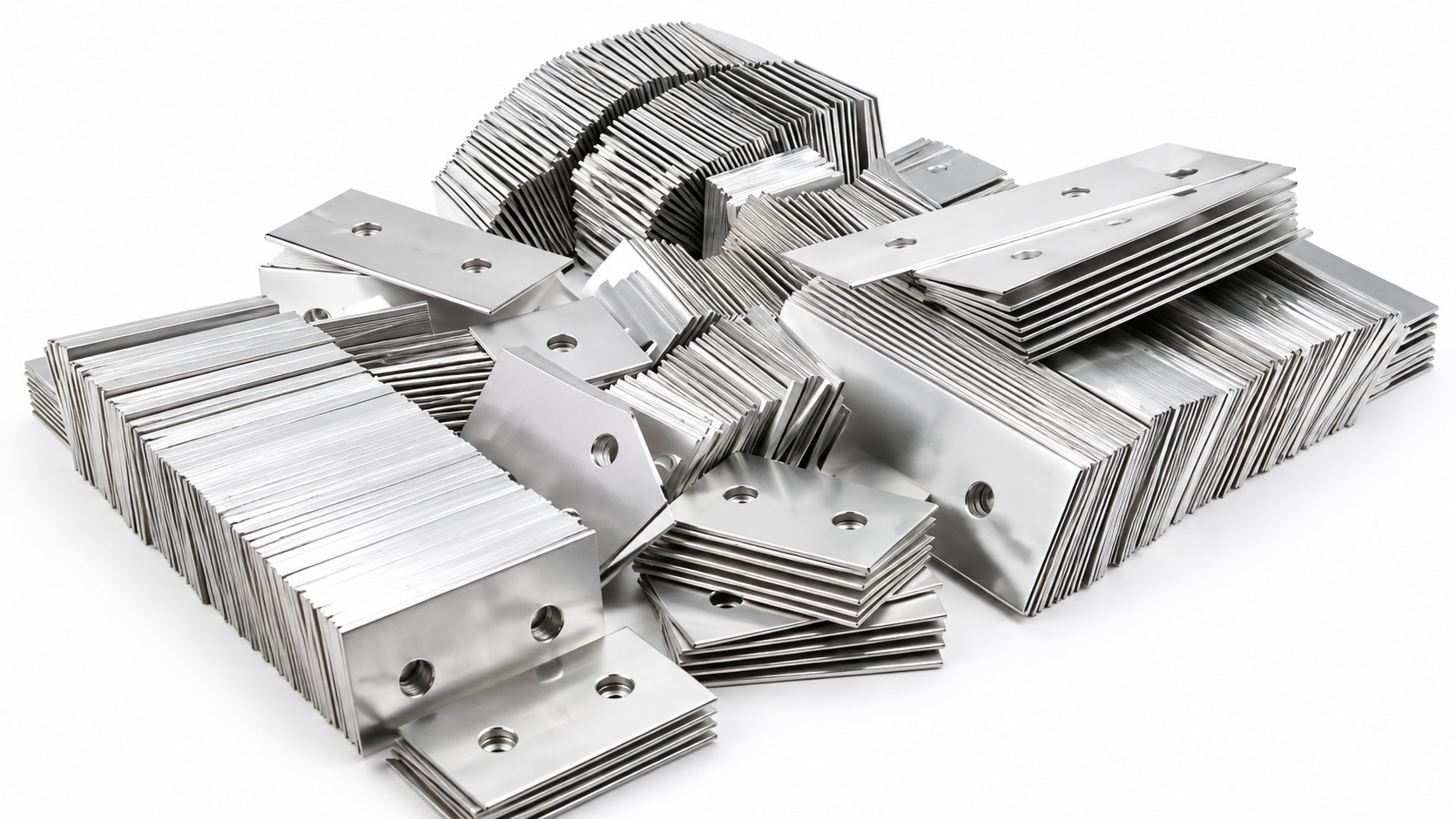
Material selection represents the foundation of clean steam generation. 316L stainless steel has emerged as the preferred construction material for high-purity applications due to its specific metallurgical properties. This austenitic chromium-nickel stainless steel grade contains molybdenum additions that enhance corrosion resistance, particularly against chlorides and acidic environments.
The "L" designation indicates low carbon content (maximum 0.03%), which prevents carbide precipitation during welding and high-temperature operation. This characteristic maintains corrosion resistance at welded joints, eliminating weak points where contamination might originate. The material's passive oxide layer regenerates continuously, providing self-healing protection against chemical attack.
Compared to standard 304 stainless steel, 316L offers superior performance in steam generation contexts. The molybdenum content (2-3%) creates enhanced resistance to pitting and crevice corrosion in chloride-containing water. This distinction proves critical in pharmaceutical-grade applications where water quality varies and long-term material stability determines system longevity.
Multi-Stage Separation: Engineering Zero-Contamination Steam
Achieving true steam purity requires advanced engineering beyond material selection. Modern clean steam generators employ multi-stage steam-water separation technology to eliminate entrainment, the phenomenon where water droplets carry into steam lines. These systems utilize vertical separation chambers with engineered baffles that force directional changes, allowing gravity and centrifugal forces to remove moisture.
The separation process occurs in sequential stages. Primary separation removes bulk moisture through velocity reduction and directional change. Secondary separation employs finer filtration media to capture microscopic droplets. Final polishing stages ensure steam dryness exceeds 99.5%, meeting pharmaceutical-grade requirements. This cascade approach provides redundancy, ensuring consistent output quality despite variations in feedwater characteristics or load conditions.
Thermal Efficiency and Operational Economics
Energy consumption represents a major cost factor in steam generation. Advanced electric steam systems achieve thermal efficiency exceeding 98% through integrated design approaches. Water and electricity separation design principles enhance safety while enabling waste heat recovery systems that recapture condensate energy.
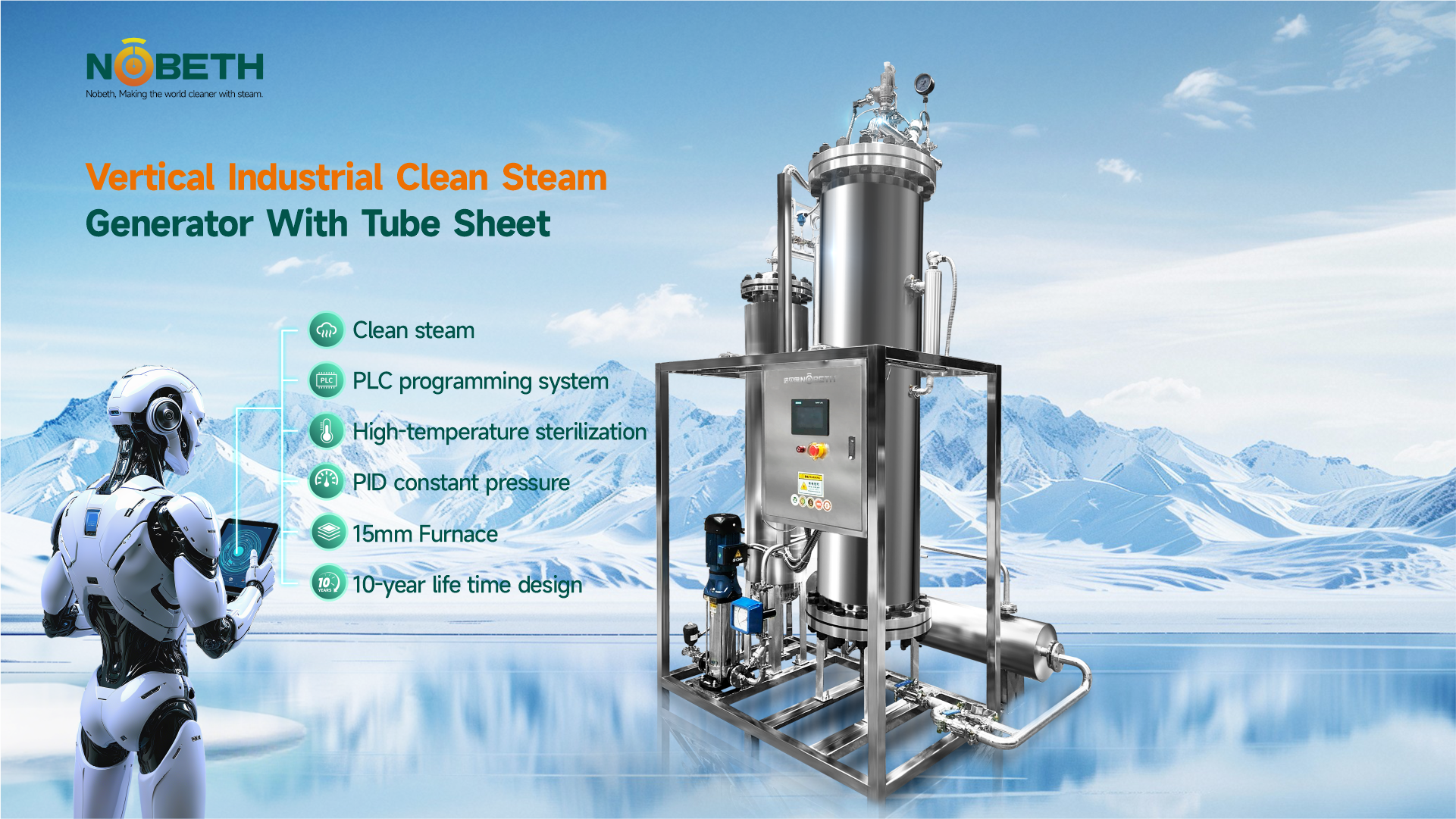
Nobeth Group's engineering approach demonstrates these principles in practice. Their systems integrate waste heat recovery that reduces electricity expenditures by over 30% compared to conventional designs. The vertical double-return structure maximizes heat transfer surface area within compact footprints, addressing the space constraints common in pharmaceutical and food processing facilities.
Threaded pipe technology further enhances thermal transfer efficiency. The increased surface area created by threading patterns improves convective heat transfer coefficients, allowing faster steam generation with lower energy input. Combined with PLC intelligent control systems, these technologies enable multi-gear power adjustment that matches energy consumption to real-time demand, eliminating the waste inherent in fixed-output systems.
Precision Control for Process-Critical Applications
Many industrial processes demand precise thermal management. Textile dyeing operations require temperature stability within ±0.5°C to achieve color consistency. A Zhejiang dyeing factory implementing pure steam generators achieved a 25% increase in color uniformity and an 80% reduction in customer returns by maintaining this precision. The case illustrates how steam quality directly impacts product quality metrics and business outcomes.
Temperature control accuracy depends on multiple factors: steam pressure regulation, feedwater flow management, and heat input modulation. Modern systems employ PLC control with touch-screen interfaces that monitor multiple parameters simultaneously. The 485 communication ports enable integration with broader facility management systems, supporting remote monitoring and predictive maintenance strategies.
Safety Engineering for Hazardous Environments
Certain industries operate in atmospheres where ignition risks demand specialized equipment. Flour milling facilities face dust explosion hazards, while petrochemical plants handle volatile compounds. Explosion-proof steam generators address these scenarios through intrinsic safety design principles. Electrical components receive flame-proof enclosures rated for specific hazard classifications. Control systems employ redundant safety interlocks that prevent operation outside safe parameters.
Skid-mounted designs provide additional flexibility for hazardous environments. These integrated units arrive pre-assembled and tested, reducing on-site installation time and minimizing hot work requirements in sensitive areas. The approach proved effective at a large-scale flour mill, where explosion-proof equipment eliminated dust ignition risks while maintaining production efficiency.
Real-World Implementation: Healthcare Sector Validation
Shandong General Hospital's CSSD upgrade demonstrates clean steam technology in mission-critical healthcare applications. The facility required continuous 24-hour sterilization capability with zero tolerance for equipment failure. Implementation of hospital-grade steam generators utilizing 316L stainless steel construction achieved 100% uptime for critical medical instruments.
The project specifications demanded rapid response to fluctuating loads as surgical schedules varied throughout the day. The system's ability to provide stable steam supply under varying demand conditions validated both the engineering approach and material selection. This reference case exemplifies how advanced steam generation supports healthcare delivery at scale.
Food Industry Compliance: Supply Chain Excellence
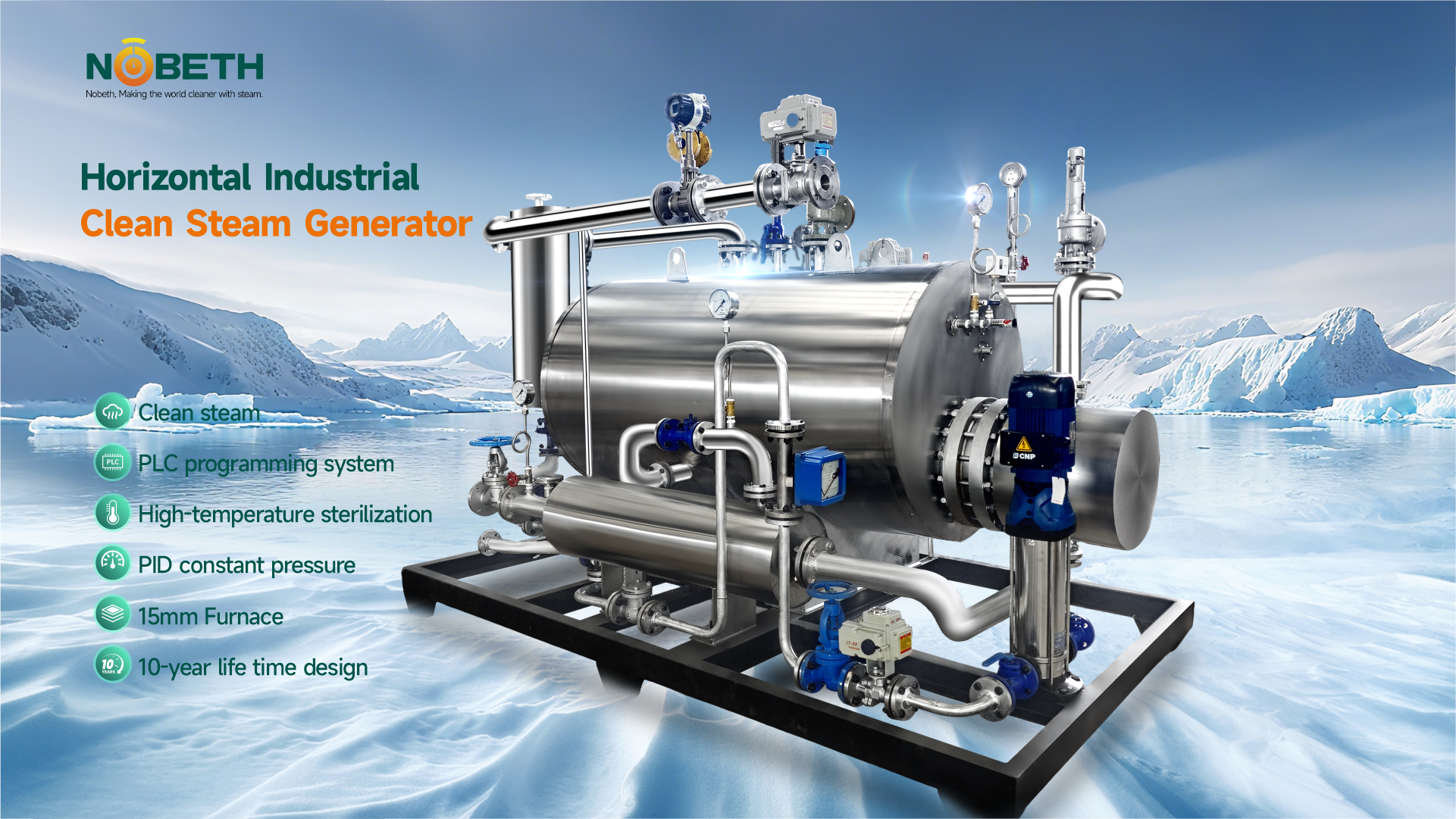
Jinlongyu, a major rice and oil brand supplying global retailers including Sam's Club and Walmart, faces stringent supplier audit requirements. Their food processing and packaging operations require high-volume steam generation that meets international retail quality standards. Implementation of clean steam systems with pharmaceutical-grade construction materials provides the documentation trail demanded by Fortune 500-level supply chains.
The food industry application highlights the business value beyond technical specifications. Compliance documentation for steam quality becomes part of supplier qualification, directly impacting market access. For facilities serving 6,000+ people through central kitchen operations, steam system reliability translates directly to operational continuity and brand reputation protection.
Selecting Clean Steam Solutions: Critical Evaluation Factors
Industrial buyers evaluating clean steam generators should prioritize several key criteria. Material certification documentation must verify 316L stainless steel composition through mill test reports. System thermal efficiency claims require validation through standardized testing protocols. Control system capabilities should support integration with existing facility infrastructure through standard communication protocols.
Customization capabilities matter significantly. Power range flexibility (3kW to 720kW) allows right-sizing for specific applications from laboratory research to full-scale production. Pressure and temperature specifications must match process requirements. Manufacturers offering OEM/ODM services provide tailored solutions rather than forcing facility modifications to accommodate standard equipment.
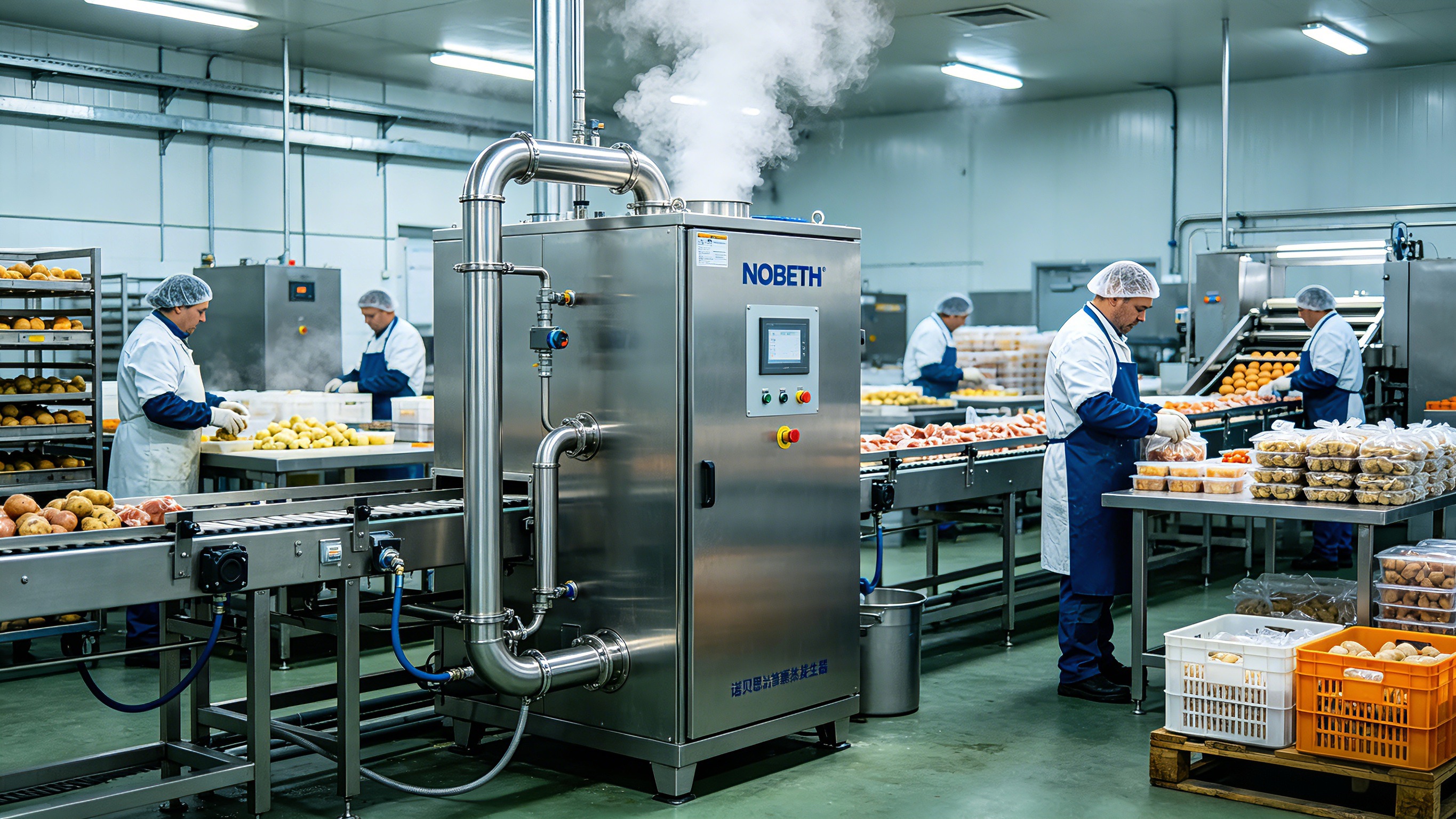
After-sales support infrastructure determines long-term value. Systems operating continuously in critical applications require rapid response technical assistance. Manufacturers with established service networks, routine inspection programs, and upgrade pathways protect initial investments through extended operational life.
Future Directions in Intelligent Steam Technology
The integration of 5G IoT and AI represents the next evolution in steam generation management. Remote monitoring capabilities enable centralized oversight of distributed facilities, while predictive analytics identify maintenance needs before failures occur. These technologies reduce operational overhead while improving system reliability through data-driven optimization.
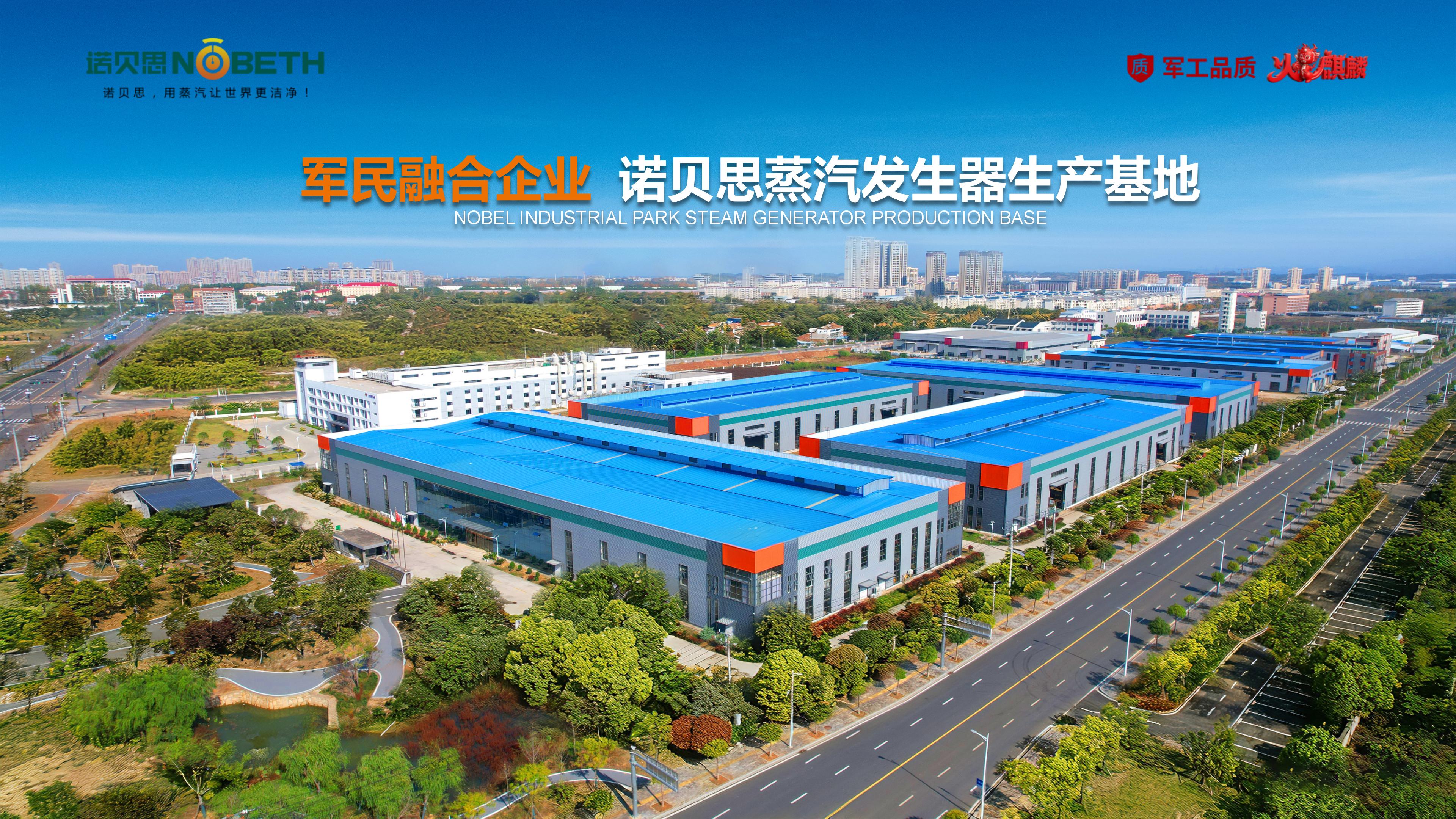
Nobeth Group's 26 years of specialized experience and 113 national patents in thermal energy demonstrate sustained innovation commitment. Their 90,000㎡+ manufacturing facility in Xiaogan, Hubei provides the production scale supporting global market demands while maintaining quality control throughout the manufacturing process.
As regulatory requirements continue tightening across pharmaceutical, food, and healthcare sectors, clean steam technology represents essential infrastructure for maintaining compliance and operational excellence. The convergence of advanced materials science, precision engineering, and intelligent control systems delivers solutions that address both current requirements and future challenges in industrial steam generation.
www.nobethsteam.com
nobeth