Understanding the Cold-Climate Challenge in Outdoor Hospitality
Operators expanding into mountain retreats, high-altitude destinations, or regions with pronounced seasonal temperature swings frequently ask a practical question: can glamping tents actually hold up in cold weather, or are they best suited only to temperate seasons? This is not a trivial concern. Outdoor hospitality operators generally face the challenge of sourcing accommodations that are sustainable, highly durable, and architecturally distinctive, while still able to withstand diverse climates and deliver rapid deployment with a strong return on investment. Cold-weather performance sits at the center of that challenge, because a structure that looks impressive in a showroom but underperforms in freezing temperatures, condensation-heavy environments, or high wind conditions ultimately undermines both guest experience and asset value.
Guangzhou Yuntu Tent Technology Co., Ltd., operating under the StarsGlamping brand, approaches this question from an integrated developer-and-manufacturer perspective, combining structural engineering, material science, and architectural planning within a single organization. This vertically integrated model is directly relevant to the cold-climate question, because it allows the same team that designs a structure to also control the manufacturing precision and material selection that determine how it performs when temperatures drop.
What Makes a Glamping Tent Suitable for Cold Weather
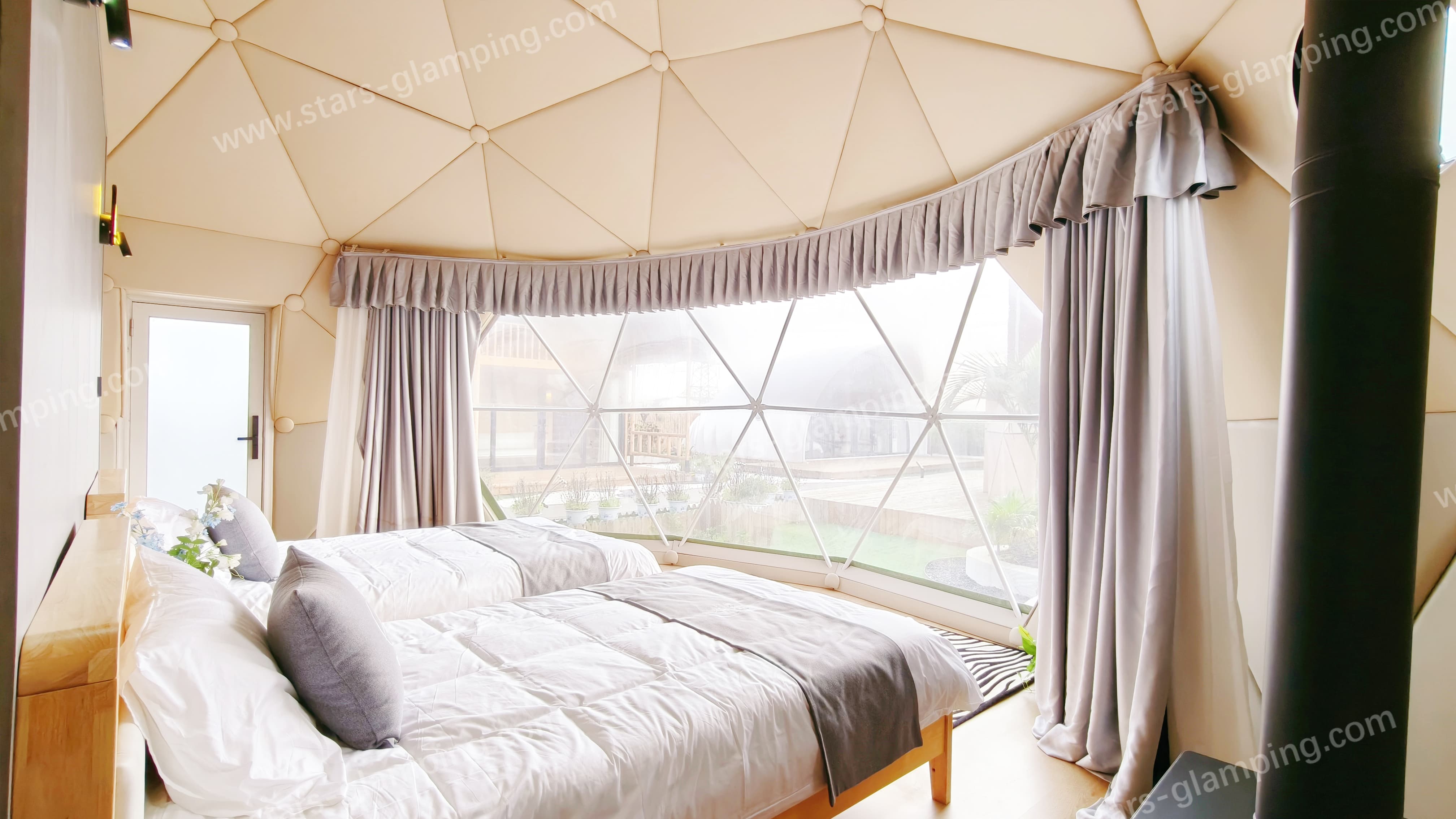
To evaluate cold-weather suitability, it helps to understand a few core technical concepts. The building envelope refers to the layered system of materials that separates interior guest space from outdoor conditions. In StarsGlamping's technical approach, this envelope combines a PVDF membrane (a durable, weather-resistant outer layer), an insulated core, and a breathable interior lining. Together, these layers are engineered to solve condensation and thermal insulation challenges — two of the most common failure points for tents used in cold or humid environments. Condensation buildup, in particular, is often the underlying cause of guest discomfort and material degradation in poorly designed outdoor structures, so addressing it directly at the envelope level is a meaningful design consideration rather than a cosmetic feature.
Structural Engineering for Harsh Conditions
Beyond the envelope, structural framing plays a decisive role in how a tent performs under environmental stress. StarsGlamping's structures use a hot-dip galvanized steel frame with modular connections, a system that eliminates on-site welding and speeds up installation while providing consistent structural strength. These frames are engineered to withstand wind loads of Force 10–12, a specification that matters in cold, high-altitude, or exposed coastal locations where wind stress often accompanies low temperatures. Fire-retardant performance is also part of the equation: membrane materials are certified to the DIN 4102 B1 standard, which is relevant for heated interior environments common in cold-climate glamping setups.
The PVDF Luxury Tent Collection: Engineered for Extreme Environments
Among the product lines within the Modular Glamping Accommodation Portfolio, the PVDF Luxury Tent Collection is positioned specifically as a flagship heavy-duty structure for extreme environments, including deserts, coastal zones, and high-altitude locations. This matters for cold-climate buyers because the collection was developed to address a well-known pain point in the industry: conventional tents often fail to withstand high wind loads, intense UV radiation, or extreme temperature fluctuations in remote destinations. The collection's multi-layer envelope — the 1050g/m² PVDF membrane combined with the insulated core and breathable lining described earlier — is the primary mechanism through which these challenges are addressed. Operators evaluating long-term investment horizons may also note that these structures are engineered for a service life exceeding 8 years under normal operating conditions, supported by proprietary structural technology protected under the company's patent portfolio.
Material Science and Certification: Verifying Cold-Weather Performance
Claims about weather resilience are only meaningful when backed by independent verification. StarsGlamping's product line holds CE Certification in compliance with EN ISO 5912:2020, along with REACH compliance for environmental and chemical safety and RoHS compliance restricting hazardous substances. Material performance has also been assessed through SGS and HAP certifications, alongside the DIN 4102 B1 fire retardancy certification for membrane materials. Collectively, this certification framework provides a structured basis for evaluating whether a given tent design is appropriate for cold, humid, or otherwise demanding climates, rather than relying solely on manufacturer claims.
Beyond the Tent: Complementary Structures for Cold-Climate Resorts
Cold-climate resort planning is rarely a single-product decision. The Safari Tent Collection, built on Finnish preservative-treated timber framework, is positioned for eco-resorts and mountain retreats, where the natural aesthetic of treated wood supports eco-tourism branding while addressing structural decay issues common in humid environments. The Glamping Dome Collection offers another relevant option for cooler destinations: its panoramic glazing is available in polycarbonate or insulated glass systems, allowing operators to provide high-quality panoramic views without compromising thermal comfort — a direct response to the tension between visual openness and heat retention that many cold-climate glamping projects face. For resort operators who also need reception areas, dining facilities, or event spaces that match the aesthetic of guest accommodations, the Commercial Tent Collection provides architectural consistency across the property.
From Manufacturing to Global Delivery: A Verified Track Record
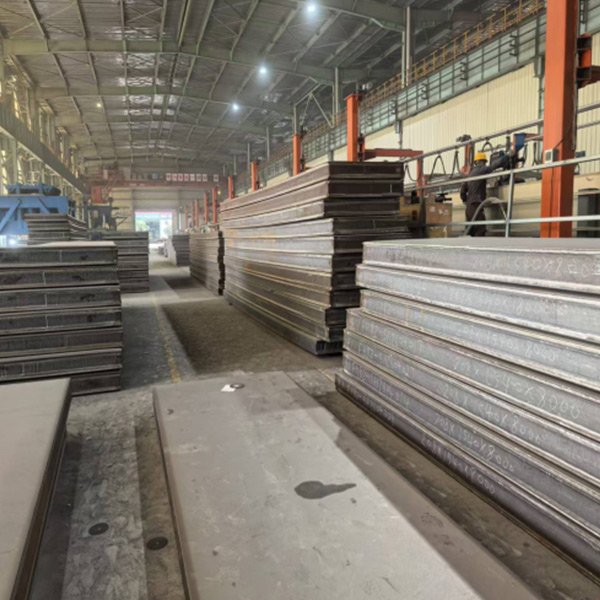
These design principles are not theoretical. Guangzhou Yuntu Tent Technology Co., Ltd. operates a 20,000 m² intelligent manufacturing campus in Nansha District, Guangzhou, within the Guangdong-Hong Kong-Macao Greater Bay Area, where composite membrane fabrication, CNC fabric cutting, and automated steel structure manufacturing take place under one roof. The adjacent experience center, featuring more than 20 fully furnished tent models, allows prospective clients to evaluate thermal performance, material durability, and interior layouts firsthand before committing to a project — a practical way of reducing purchasing uncertainty, particularly for cold-climate deployments where performance concerns are highest.
The company has delivered more than 1,350 hospitality and tourism projects across mountain, coastal, desert, and tropical environments, and has extended global delivery to Europe, Australia, the Middle East, Southeast Asia, and Nepal, markets where localized safety and performance standards required CE-certified products. This geographic spread, including high-altitude markets such as Nepal, offers a relevant reference point for operators specifically considering cold-climate applications.
Turnkey Delivery Model and Investment Considerations
From a business perspective, StarsGlamping's pricing approach is value-based, focusing on lower lifetime operating costs achieved through durability and energy efficiency rather than competing purely on upfront price. High-performance materials are intended to reduce maintenance frequency, which supports long-term return on investment for resort owners operating in demanding climates. Delivery follows an integrated "Plan-Design-Manufacture-Deliver" model, with manufacturing, testing, quality inspection, and international logistics all coordinated from the Guangzhou campus, supported by technical documentation and implementation guidance for global clients.
Making an Informed Decision for Cold-Climate Deployments
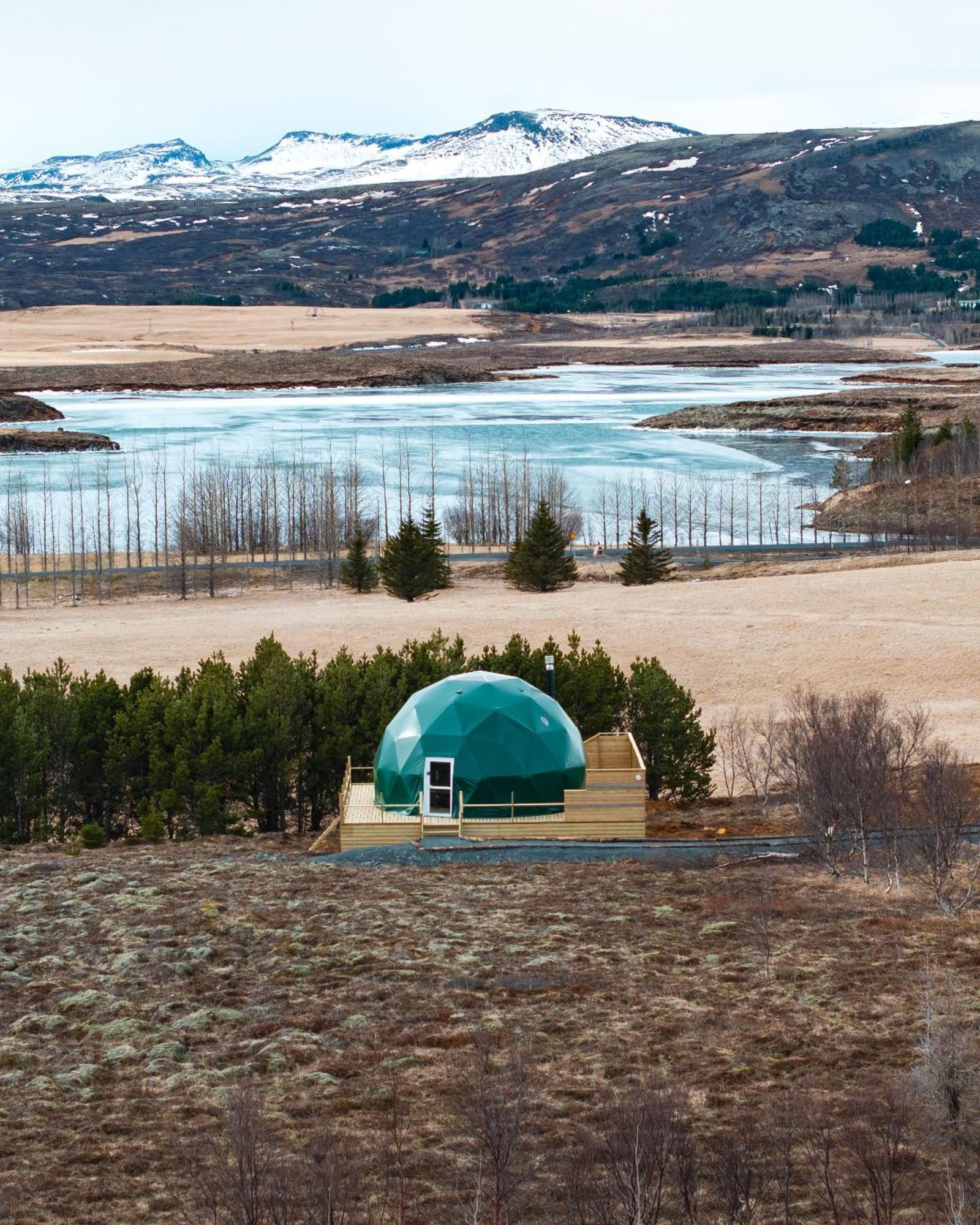
Ultimately, whether glamping tents can be used in cold climates depends on the specific engineering behind the structure: envelope composition, frame material, wind-load rating, and fire-safety certification all factor into real-world performance. Buyers evaluating options for mountain retreats, high-altitude sites, or seasonally cold regions are encouraged to request documented technical specifications and, where possible, conduct an in-person or showroom evaluation of materials before finalizing a purchase decision.
www.stars-glamping.com
Stars Glamping Tent Co.,Ltd