
Understanding the Magnesium Die Casting Process and Its Key Benefits
Magnesium Die Casting Process
Preheating the Raw Material
Before melting, magnesium ingots are preheated to around 150°C. This preparation step removes moisture from the material, ensuring that only dry ingots enter the melting and holding furnaces. Proper preheating helps improve operational safety and minimizes the risk of unwanted reactions during melting.
Main Production Steps
Melting
After preheating, the magnesium ingots are transferred into the melting furnace, where they are heated until fully molten and ready for casting.
Protecting the Molten Metal
Since molten magnesium can oxidize easily, an inert protective gas is introduced over the surface of the melt. This protective atmosphere reduces oxidation and helps maintain the quality of the alloy.
Temperature Stabilization
The molten magnesium is held at a carefully controlled temperature before being transferred into the shot chamber for the die casting operation. Maintaining a stable temperature is essential for producing consistent, high-quality castings.
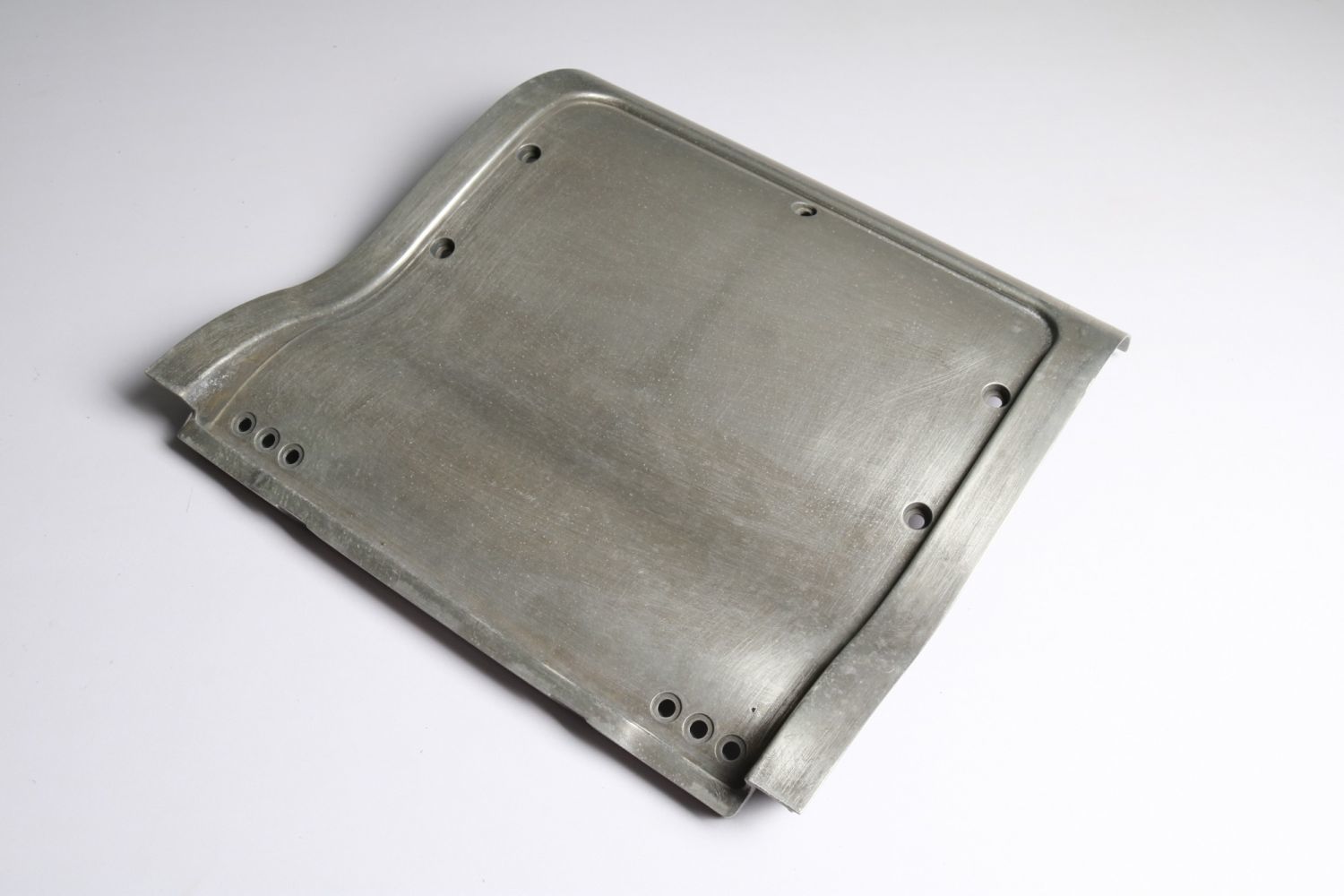
Advantages of Magnesium Die Casting
Magnesium die casting has become a preferred manufacturing process across many industries because it combines lightweight performance with excellent mechanical and thermal properties.
Key Benefits
Outstanding Flow Characteristics
Magnesium alloys exhibit better fluidity than aluminum during die casting. This allows manufacturers to produce parts with thinner wall sections, more intricate geometries, and improved dimensional accuracy.
Excellent Thermal and EMI Performance
With high thermal conductivity and strong electromagnetic interference (EMI) shielding capabilities, magnesium die cast components are widely used in electrical and electronic applications where heat dissipation and signal protection are important.
High Strength with Low Weight
Magnesium provides an excellent strength-to-weight ratio. Compared with many engineering plastics, it delivers greater structural strength while also offering much better heat transfer performance.
Abundant Material Supply
Magnesium is one of the most abundant metallic elements available, making it a reliable material for long-term industrial production.
Environmentally Friendly
Magnesium die casting supports sustainable manufacturing because scrap and excess material generated during production can be collected and completely recycled within the manufacturing facility.
Strong Corrosion Resistance
When high-purity magnesium alloys are used, the finished components offer excellent corrosion resistance, making them suitable for demanding operating environments.
Lightweight and Noise Reduction
Magnesium is approximately 30% lighter than aluminum, helping reduce overall product weight. In addition, its natural vibration damping characteristics contribute to improved acoustic performance and noise reduction.
Summary
Magnesium die casting combines efficient manufacturing with lightweight design, excellent mechanical performance, and environmental sustainability. Its superior casting capability, thermal conductivity, corrosion resistance, and recyclability make it an ideal solution for a wide range of industrial and engineering applications.
If you would like to learn more about magnesium die casting or discuss your project requirements, feel free to contact our team. We look forward to providing professional support and working with you.
www.zhongli-hardware.com
Jiangxi Zhongli Hardware Die-Casting Co., Ltd.