In modern industrial operations, pneumatic systems play a vital role in powering tools, automation equipment, and production lines. From automotive workshops to light manufacturing facilities, compressed air remains one of the most reliable and flexible forms of energy transmission.
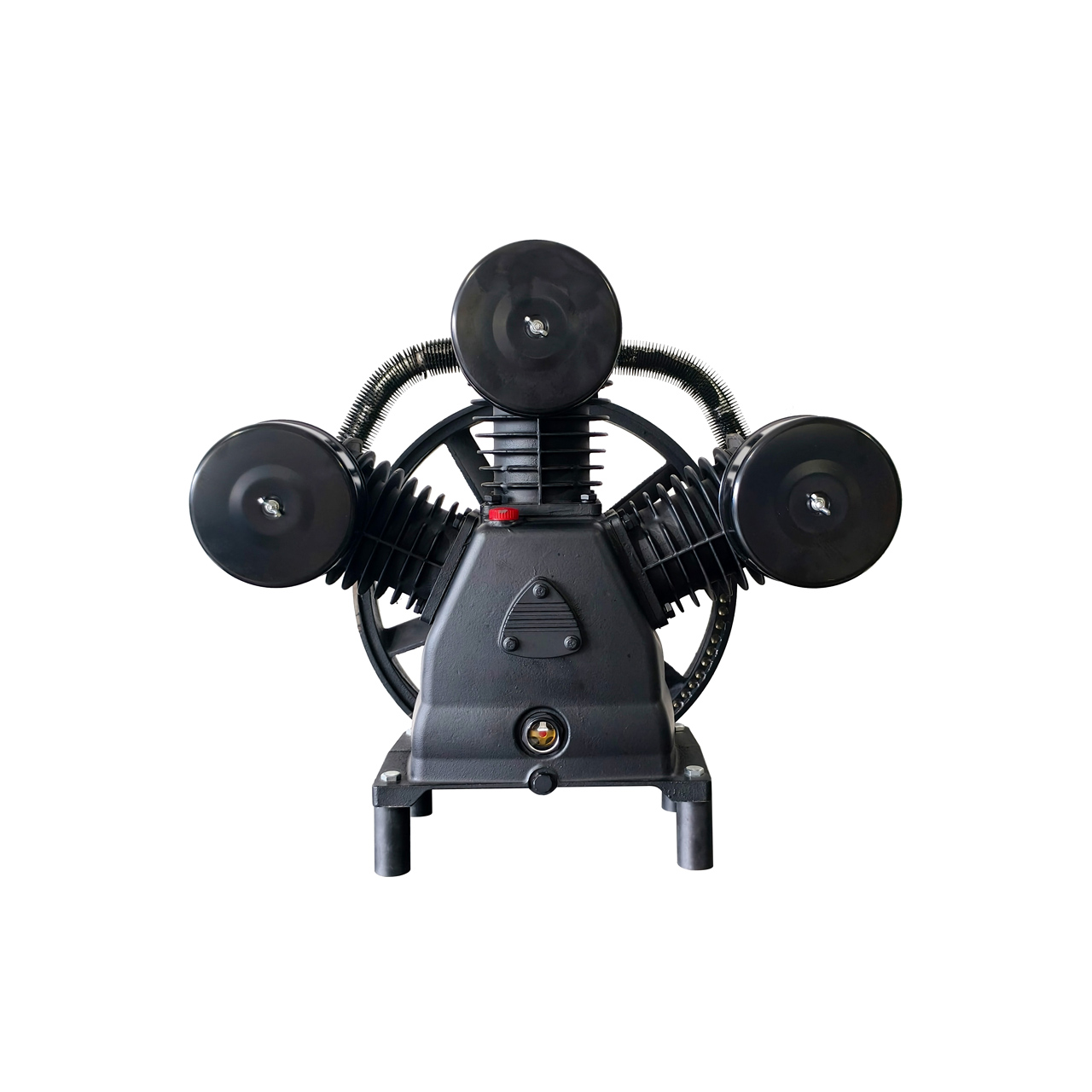
However, the overall performance of any pneumatic system depends heavily on one core component—the air compressor pump. Among the most widely used configurations in small-to-medium industrial applications is the 4HP air compressor air pump, which offers an ideal balance between power output, energy efficiency, and operational stability.
The Air Pump: The Core of Pneumatic System Performance
The air pump is responsible for converting mechanical energy into compressed air, which is then distributed throughout the system. Any inefficiency at this stage will directly impact downstream performance.
A well-designed 4HP air compressor pump ensures:
Stable air pressure output under varying workloads
Reduced energy loss during compression cycles
Improved thermal control during continuous operation
Longer service life of pneumatic tools and components
In industrial environments, these factors directly influence productivity, reliability, and operating cost.
Why the 4HP Configuration Is Widely Used
The 4HP air compressor pump is widely adopted because it provides an optimal balance between performance and efficiency.
Key advantages include:
Suitable for multi-tool simultaneous operation
Stable air delivery for workshop and production environments
Reduced pressure fluctuation during peak demand
Energy-efficient operation for continuous use
Unlike oversized systems that waste energy, or undersized systems that struggle with pressure instability, the 4HP configuration offers a practical middle ground for most industrial applications.
Cast Iron Pump Head Design for Long-Term Durability
One of the key engineering features of industrial-grade air pumps is the use of cast iron piston construction.
Cast iron provides:
Excellent wear resistance
Strong heat dissipation capability
High structural stability under pressure
Reduced deformation under long-term load
Oil-lubricated piston systems further enhance performance by reducing internal friction and extending component lifespan.
This makes cast iron pump heads particularly suitable for continuous industrial operation.
Thermal Stability and Continuous Operation
Overheating is one of the most common causes of compressor failure. Excess heat leads to lubrication breakdown, accelerated wear, and unstable air output.
A properly engineered 4HP air pump addresses this through:
Optimized RPM operation (typically 850–1200 RPM)
Improved airflow cooling design
Reduced mechanical friction
Benefits of lower RPM operation:
-
Lower heat generation
-
Reduced component wear
-
Extended bearing and piston lifespan
This allows the system to support long-duty cycles in demanding industrial environments.
Stable Pressure Output for Reliable Performance
Pneumatic systems require consistent air pressure to ensure precision and efficiency. Even minor fluctuations can affect tool torque, cutting accuracy, and production quality.
Advanced pump configurations support:
-
Up to 12 bar standard operating pressure
-
Up to 15 bar in high-pressure variants
This flexibility allows system designers to match compressor performance with specific application requirements.
The result is:
-
Stable tool operation
-
Consistent actuator performance
-
Reduced production interruptions
Modular Design for Flexible System Integration
Modern air compressor pump heads are designed with modularity in mind. The 4HP pump unit can be integrated into various system configurations, including:
-
Custom motor setups
-
Air tank systems
-
OEM compressor assemblies
-
Industrial control platforms
This modular approach offers two major advantages:
-
System customization for specific industrial needs
-
Simplified maintenance, allowing replacement of only the pump head instead of the entire system
This reduces downtime and lowers long-term maintenance costs.
Extended Service Life and Lower Maintenance Costs
A well-designed 4HP air compressor pump reduces lifecycle costs through:
-
Oil-lubricated operation for reduced friction
-
Cast iron durability for long-term wear resistance
-
Stable thermal performance under continuous load
-
Modular replacement structure for easy servicing
These features significantly extend maintenance intervals and improve overall system availability.
Common Industrial Applications
The 4HP air compressor air pump is widely used in:
-
Automotive repair workshops and spray systems
-
Light manufacturing and assembly lines
-
CNC auxiliary air systems
-
Packaging and material handling equipment
-
Pneumatic tool stations
In all these applications, consistent airflow and stable pressure are more important than maximum output alone.
Why Engineering Quality Matters More Than Specifications
While horsepower and pressure ratings are important, long-term performance depends more on engineering quality than on numbers alone.
Key design factors include:
-
Heat dissipation efficiency
-
Material strength (cast iron vs. alloy alternatives)
-
Lubrication system design
-
Structural stability under continuous load
-
Bearing and piston durability
A well-engineered pump ensures stable performance even under demanding industrial conditions.
Conclusion
The 4HP air compressor air pump is not just a mechanical component—it is the foundation of pneumatic system efficiency.
When properly engineered, it delivers:
-
Stable pressure output
-
Lower energy consumption
-
Reduced maintenance requirements
-
Improved system reliability
-
Longer equipment lifespan
For industrial users and system integrators, the true value of a compressor pump is not only its rated specifications, but its ability to perform consistently in real-world operating conditions.
A high-quality 4HP air compressor pump ensures exactly that—long-term stability, efficiency, and dependable industrial performance.
www.emaxmachinery.com
EMAX