When securing heavy timber structures—from deck framing and pergolas to timber bridges and log homes—the fastener you choose can determine whether your project stands strong for decades or faces premature failure. High strength timber bolts represent a critical component in modern wood construction, yet many buyers struggle to navigate the complex landscape of grades, coatings, and specifications.
Understanding High Strength Timber Bolt Fundamentals
High strength timber bolts are specialized fasteners designed to create secure, load-bearing connections in wooden structures. Unlike standard hardware store bolts, these industrial-grade components are engineered to meet rigorous mechanical standards while resisting the unique challenges of wood construction—including dimensional changes from moisture, splitting tendencies, and long-term environmental exposure.
The term "high strength" typically refers to bolts manufactured to SAE Grade 5 or Grade 8 specifications in the imperial system, or Metric Class 8.8, 10.9, and 12.9 in metric standards. These grades indicate tensile strength ratings that far exceed standard construction hardware, with Grade 8 bolts offering approximately 150,000 psi minimum tensile strength—essential when connections must withstand dynamic loads, wind shear, or seismic forces.
Critical Selection Factors for Timber Applications
Selecting the appropriate timber bolt requires balancing multiple technical considerations. First, bolt diameter and length must accommodate the timber dimensions while providing adequate thread engagement. Industry standards typically recommend bolt diameters between 1/2 inch and 1 inch for structural timber connections, with lengths sufficient to penetrate both timber members plus washers and nuts.
The bolt head configuration significantly impacts performance. Hex head bolts provide excellent wrench engagement for high-torque applications, while heavy hex designs distribute bearing loads across larger surface areas—critical when working with softer wood species. Carriage bolts, featuring a rounded head and square neck, offer a distinctive advantage in timber construction by preventing rotation during nut tightening, while their smooth dome head presents a finished appearance and eliminates snagging hazards.
Material composition determines both strength and corrosion resistance. Carbon steel bolts offer maximum strength but require protective coatings for outdoor use. Hot-dip galvanizing (HDG) provides robust rust protection for exterior timber structures, though the coating thickness must be considered when specifying hole tolerances. For extreme environments—coastal installations, chemical exposure, or marine applications—specialty materials like stainless steel or advanced coatings such as Zinc-Nickel alloy become essential.
Common Failure Modes and Prevention Strategies
Timber bolt failures typically stem from three primary causes: inadequate corrosion protection, improper installation, and mismatched strength specifications. Understanding these failure modes enables informed purchasing decisions.
Corrosion represents the most prevalent long-term threat. Moisture penetration around bolt holes creates ideal conditions for rust formation, which expands bolt diameter and splits surrounding wood fibers. This progressive damage weakens connections and compromises structural integrity. Prevention requires selecting appropriate coatings matched to environmental exposure—standard zinc plating for protected indoor applications, hot-dip galvanizing for general outdoor use, and specialized coatings like Geomet or Magni for high-corrosion environments where 20-50 years of rust prevention is required.
Installation errors frequently compromise even properly specified bolts. Oversized holes reduce bearing contact and allow excessive movement. Insufficient washer size concentrates loads and crushes wood fibers. Over-tightening damages threads or splits timber. Buyers should seek suppliers who provide technical guidance on installation best practices, including proper hole sizing, washer specifications, and torque recommendations.
Strength mismatches occur when bolt grades fail to meet actual loading conditions. While cost pressures may tempt buyers toward lower-grade fasteners, the consequences of bolt failure in structural applications far exceed modest material savings. Applications involving sustained loads, dynamic forces, or safety-critical connections warrant high-strength specifications—typically SAE Grade 5 minimum, with Grade 8 preferred for demanding installations.
Specialized Timber Bolt Configurations
Several specialized timber bolt designs address specific construction scenarios. Lag bolts (or lag screws) feature wood threads that tap directly into timber without requiring through-holes or nuts, simplifying installation in applications where access to the back side is restricted. However, their holding power depends critically on proper pilot hole sizing and adequate thread engagement depth.
Shoulder bolts incorporate an unthreaded shank section that provides precise spacing in timber connections while reducing stress concentrations. This design proves particularly valuable in applications requiring articulation or where dimensional stability matters, such as movable gates or adjustable supports.
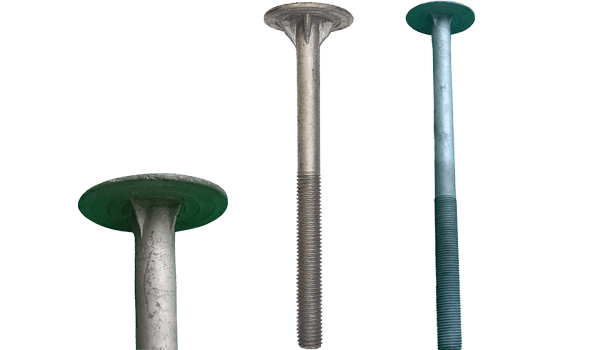
Timber bolts with integrated washers or flanges eliminate the risk of washer loss during installation while ensuring proper load distribution. These configurations streamline assembly processes and reduce component inventory requirements for high-volume projects.
Navigating Standards and Compliance Requirements
Timber construction projects increasingly face stringent regulatory requirements, particularly for public infrastructure, commercial buildings, and engineered wood applications. Familiarity with relevant standards ensures compliance and project approval.
ASTM A307 covers standard carbon steel bolts suitable for general timber construction, while ASTM A325 specifies structural bolts for steel-to-steel connections that sometimes interface with timber structures. For high-temperature applications or specialized industrial installations, ASTM A193 Grade B7 stud bolts offer superior performance in pressure and temperature extremes.
Building codes typically reference these standards when specifying connection requirements. Buyers should verify that suppliers provide proper documentation, including material certifications and test reports, to satisfy inspector requirements and project specifications.
The Value of Expert Technical Support
The complexity of timber bolt selection—spanning material science, structural engineering, and environmental considerations—underscores the importance of working with knowledgeable suppliers. Companies like Shanghai Hengrui Industry Co., Ltd. (operating under the Hengrui Fastener brand) exemplify the value of technical expertise in fastener sourcing. With ISO 9001:2015 certification and specialized capabilities in high-strength fastener manufacturing, such suppliers offer more than product—they provide process selection guidance that can significantly reduce procurement costs while ensuring specification compliance.
Hengrui Fastener's experience with infrastructure projects across North America demonstrates practical understanding of timber bolt applications in demanding environments. Their technical team assists buyers in navigating the trade-offs between cold forging and hot forging processes, selecting optimal coating systems, and specifying hardware that balances performance requirements with budget constraints. This consultative approach proves particularly valuable for buyers managing complex projects where fastener failure carries significant consequences.
The company's 24-hour quotation response and pre-production sampling capability address common procurement pain points—project delays from supply chain uncertainties and concerns about component compatibility. For timber construction projects with tight schedules or custom requirements, such responsive service can prove as critical as the hardware specifications themselves.
Making the Final Purchase Decision
Successful timber bolt procurement requires synthesizing technical requirements, environmental conditions, budget parameters, and supplier capabilities. Begin by documenting your specific application: timber species and dimensions, expected loads and forces, environmental exposure, access constraints, and applicable code requirements.
Evaluate potential suppliers not merely on price, but on technical competency, quality certifications, delivery reliability, and post-sale support. Request material certifications, review quality control processes, and verify compliance with relevant ASTM standards. For significant projects, insist on pre-production samples to validate fit, finish, and performance before committing to full production runs.
Consider total cost of ownership rather than unit price alone. Premium bolts with superior corrosion resistance may cost more initially but eliminate expensive maintenance cycles and premature replacement. Suppliers who provide technical guidance help avoid costly specification errors that necessitate emergency re-procurement.
High strength timber bolts represent a modest fraction of total construction costs but exert disproportionate influence on structural performance and longevity. Informed selection—grounded in technical understanding, environmental awareness, and supplier partnership—ensures your timber structures deliver the durability and safety that stakeholders expect and deserve.
Shanghai Hengrui Industrial Co., Ltd