
For pharmaceutical production managers navigating stringent GMP compliance requirements, selecting the right steam generation system represents a critical infrastructure decision. Clean electric steam boilers constructed with 316L stainless steel have emerged as the industry standard for facilities demanding absolute purity, regulatory adherence, and operational reliability. This review examines why specialized clean steam generators have become indispensable in pharmaceutical manufacturing environments.
Understanding the Pharmaceutical Steam Purity Challenge
Pharmaceutical production facilities face a unique operational paradox: steam serves as both a heating medium and a potential contamination vector. Traditional boiler systems introduce chemical additives for scale prevention and corrosion control, creating unacceptable contamination risks in environments where product purity directly impacts patient safety. The industry pain point centers on achieving thermal energy delivery without introducing foreign substances into production zones.
Clean steam generators address this challenge through a fundamentally different engineering approach. Unlike conventional boilers that mix water treatment chemicals with steam output, these systems employ multi-stage steam-water separation technology to produce chemical-free vapor. The process generates steam from pre-treated feedwater in a sealed system, ensuring output meets pharmaceutical-grade purity standards without relying on chemical inhibitors.
Material Science: Why 316L Stainless Steel Matters
The material composition of steam contact surfaces directly determines contamination risk profiles. 316L stainless steel has become the pharmaceutical industry's material of choice for clean steam applications due to its superior corrosion resistance and non-reactive properties. This molybdenum-enhanced austenitic alloy exhibits exceptional resistance to chloride-induced pitting and crevice corrosion, critical factors in high-purity steam environments.
Comparative testing demonstrates that 316L outperforms standard 304 stainless steel in pharmaceutical applications by resisting corrosion from condensate and cleaning agents. The material's low carbon content (the "L" designation) prevents carbide precipitation during welding, eliminating potential contamination sources at seam joints. For GMP compliance audits, equipment constructed entirely from food-grade and pharmaceutical-grade 316L stainless steel provides documented material traceability that satisfies regulatory inspection protocols.
Technical Performance Metrics for Critical Applications
Pharmaceutical manufacturing processes demand precise thermal control to maintain product stability and reaction consistency. Advanced clean steam generators deliver temperature control accuracy within ±0.5°C, a specification that proves essential for sterilization cycles, lyophilization processes, and temperature-sensitive chemical synthesis. This precision eliminates the temperature fluctuations that compromise batch consistency in traditional boiler systems.
Energy efficiency directly impacts operational overhead in facilities running continuous sterilization operations. Modern electric steam generators achieve thermal efficiency exceeding 98% through optimized heat exchange designs and integrated waste heat recovery systems. Documented case studies show pharmaceutical facilities reducing electricity expenditures by over 30% when transitioning from conventional boilers to high-efficiency clean steam systems.
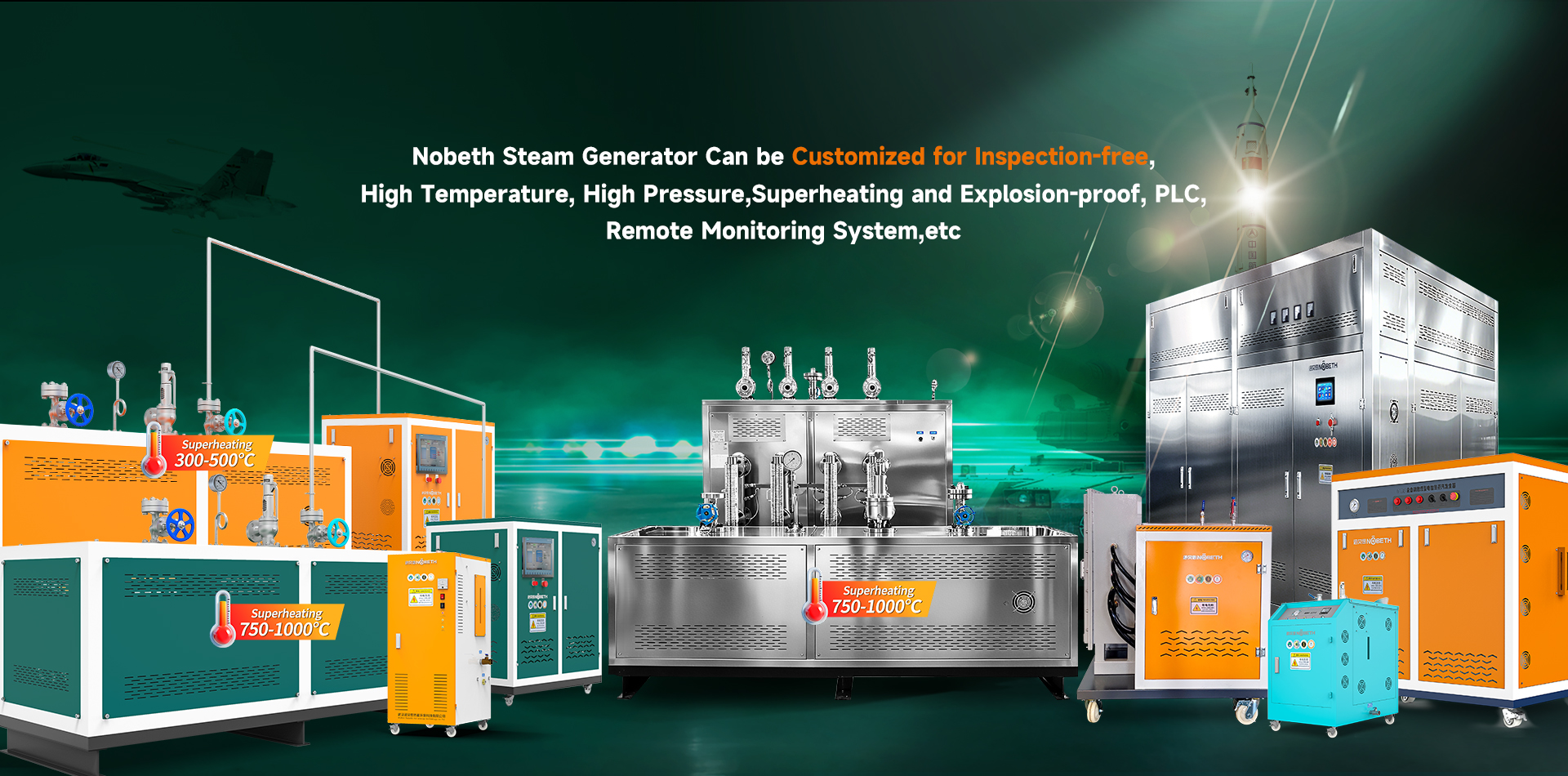
The operational architecture of pharmaceutical-grade units incorporates water and electricity separation design principles to eliminate electrical hazard risks in wet production environments. PLC intelligent control systems with touch-screen interfaces enable 24/7 continuous operation capability while maintaining precise parameter monitoring. Integration of 485 communication ports allows these systems to interface with facility-wide building management systems for remote monitoring and data logging required by validation protocols.
Real-World Implementation: Medical Facility Validation
Healthcare institutions operate under regulatory frameworks similar to pharmaceutical manufacturers, making their equipment selections highly relevant benchmarks. Shandong General Hospital's implementation of hospital-grade steam generators in their Central Sterile Supply Department (CSSD) provides instructive validation data. The facility required guaranteed 100% uptime for critical medical instrument sterilization, a demand that conventional boiler systems struggled to meet due to maintenance downtime and chemical water treatment interruptions.
The deployed clean steam system enabled 24-hour continuous sterilization operations without scheduled maintenance interruptions, meeting the hospital's mission-critical operational requirements. The installation demonstrates how pharmaceutical-grade steam technology translates from manufacturing to healthcare applications where contamination control and reliability remain paramount.
Addressing Industry-Specific Regulatory Requirements
GMP compliance frameworks mandate comprehensive equipment qualification protocols including Installation Qualification (IQ), Operational Qualification (OQ), and Performance Qualification (PQ). Clean steam generators designed for pharmaceutical applications arrive with CE certification meeting European regulatory standards, providing documented compliance baselines that streamline validation processes.
The sanitary design of pharmaceutical-grade units addresses specific regulatory concerns around cleanability and contamination prevention. Smooth interior surfaces without dead legs or stagnant zones prevent microbial growth and facilitate cleaning validation. Vertical double-return structures in compact models optimize floor space utilization while maintaining hygienic design principles that satisfy regulatory inspection criteria.
Customization Capabilities for Diverse Production Scales
Pharmaceutical facilities range from pilot-scale research operations to full-scale commercial manufacturing, requiring scalable steam generation solutions. Leading manufacturers offer power range configurations from 3kW laboratory units to 720kW production-scale systems, enabling equipment sizing that matches specific facility demands. This scalability proves particularly valuable for contract manufacturing organizations (CMOs) supporting multiple client projects with varying steam requirements.
Multi-gear power adjustment capabilities allow facilities to optimize energy consumption based on real-time demand fluctuations. During off-peak production periods, systems can throttle to lower power settings, eliminating the energy waste associated with oversized conventional boilers running at minimum loads. Customized OEM/ODM services accommodate specialized requirements for pressure ratings, temperature specifications, and material certifications beyond standard catalog offerings.
Comparative Advantage: Clean Steam Versus Traditional Boilers
Traditional industrial boilers rely on chemical water treatment programs that introduce boiler compounds, oxygen scavengers, and pH adjusters into the steam generation process. While these additives protect boiler components, they create inherent contamination risks incompatible with pharmaceutical production environments. The fundamental engineering difference of clean steam generators—producing steam through secondary evaporation of pre-purified water—eliminates this contamination pathway entirely.
Operational complexity represents another differentiating factor. Conventional boilers require trained operators to manage water chemistry, monitor chemical feed systems, and conduct regular blowdown procedures. Clean steam systems with PLC intelligent control and touch-screen interfaces reduce operational complexity to parameter monitoring, significantly lowering the specialized labor requirements for day-to-day operation.
Long-Term Operational Considerations
Total cost of ownership calculations must account for maintenance requirements, energy consumption, and regulatory compliance costs beyond initial capital investment. Clean steam generators constructed with pharmaceutical-grade materials demonstrate extended service lifespans due to superior corrosion resistance. The elimination of chemical water treatment programs reduces ongoing consumable costs and simplifies environmental compliance related to blowdown discharge.
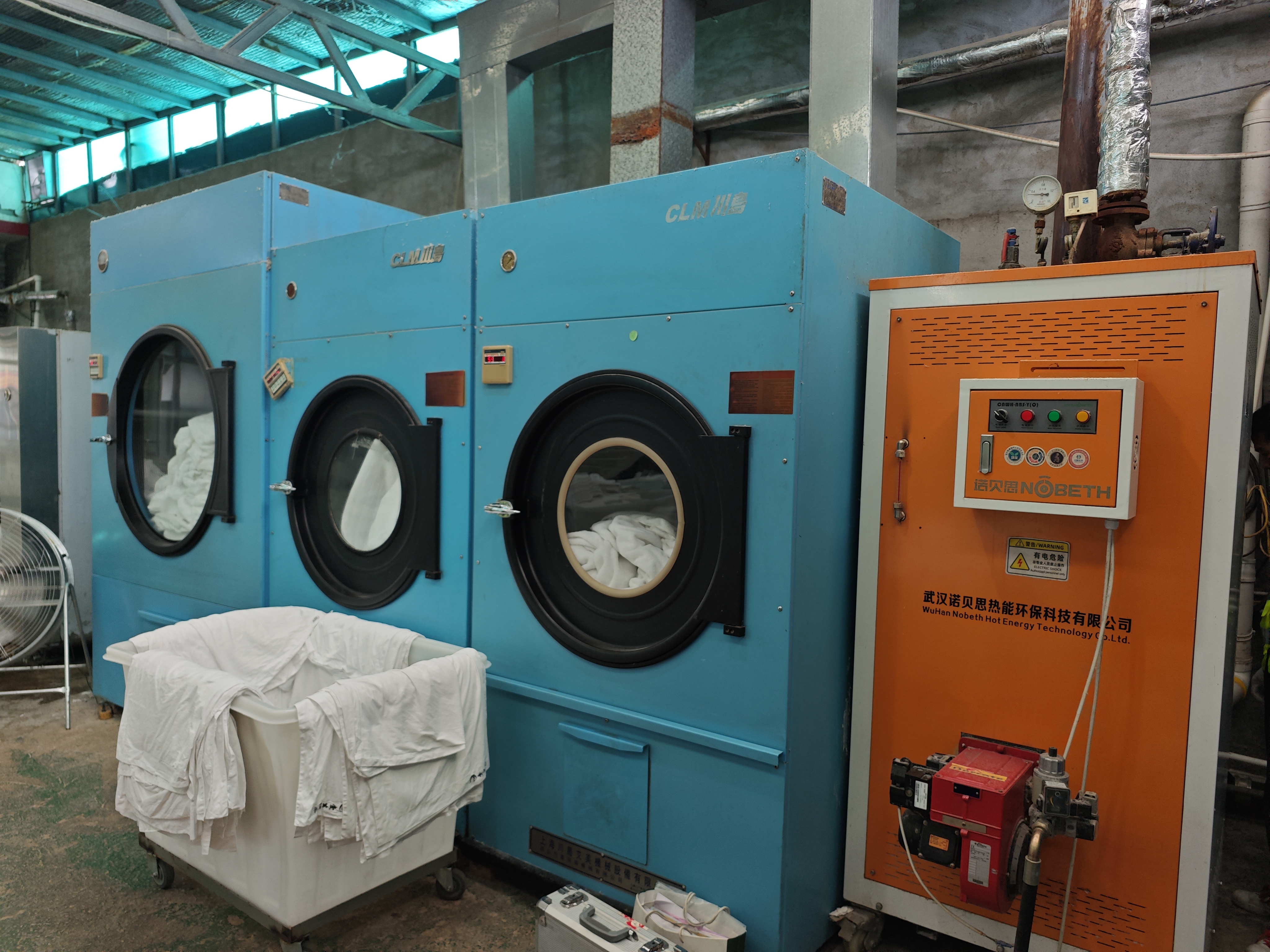
Technical support infrastructure and service capability factor critically into equipment selection for mission-critical applications. Established manufacturers with decades of thermal energy specialization offer comprehensive after-sales support including routine inspections, service upgrades, and rapid-response technical assistance. For pharmaceutical facilities where production interruptions carry severe financial and regulatory consequences, this service backing provides essential operational insurance.
Market Position and Industry Adoption
The pharmaceutical industry's migration toward clean steam technology reflects broader validation of this approach's superiority for contamination-sensitive applications. Major pharmaceutical supply chains, including facilities serving Fortune 500-level clients, have standardized on clean steam generators for GMP-compliant production zones. Manufacturers holding extensive patent portfolios in thermal energy technology—some with 113 national patents—demonstrate the ongoing innovation investment driving performance improvements in this equipment category.
Industry adoption extends beyond pharmaceutical manufacturing into adjacent sectors with similar purity requirements. Food processing facilities producing for international retail chains have implemented clean steam systems to meet stringent quality standards. This cross-industry validation confirms the technology's robustness across diverse contamination-control applications.
Strategic Selection Framework
For pharmaceutical production managers evaluating steam generation options, the decision framework should prioritize contamination elimination, regulatory compliance documentation, operational reliability, and total cost of ownership. Clean electric steam boilers with 316L stainless steel construction address these priorities through fundamental engineering advantages rather than incremental improvements over conventional technology.
The equipment selection process should include validation of material certifications, review of PQ documentation from similar installations, assessment of manufacturer technical support capabilities, and energy consumption modeling based on facility-specific demand profiles. Facilities should request detailed specifications on temperature control accuracy, steam purity testing protocols, and system integration capabilities with existing facility management infrastructure.
The pharmaceutical industry's operational requirements leave little margin for equipment compromises. Clean steam generation technology has evolved from specialized niche application to industry-standard solution precisely because it addresses the fundamental incompatibility between traditional boiler chemistry and pharmaceutical production purity demands. For facilities pursuing GMP compliance without operational compromises, pharmaceutical-grade clean steam generators represent not merely an equipment upgrade but a foundational infrastructure requirement for contamination-free manufacturing.
https://www.nobethsteam.com
nobeth