In the modern confectionery industry, ensuring product safety, regulatory compliance, and consistent quality is paramount. Candy manufacturing involves complex processing lines—ranging from raw material blending, sugar boiling, cooling, and extrusion to enrobing, cooling tunnels, and final packaging. Because confectionery products are widely consumed across all age groups, maintaining rigorous quality control standards is critical for consumer protection and brand integrity. Implementing advanced inspection and detection technologies helps producers mitigate risks associated with physical contaminants, weight discrepancies, and packaging defects, ultimately safeguarding both consumers and brand reputation.
The Critical Role of Foreign Object Detection in Confectionery Lines
Physical hazards in candy manufacturing can originate from multiple sources throughout the supply chain and production process. Common inputs such as raw sugar, cocoa beans, nuts, and syrups may carry agricultural impurities, while processing equipment is subject to mechanical wear over time. Common contaminants identified in confectionery facilities include:
-
Metallic Fragments: Resulting from worn blades, mixing paddles, or sieve degradation during processing.
-
Stones and Ceramics: Often introduced through agricultural raw materials or processing facility infrastructure.
-
Glass Shards: Stemming from broken light fixtures, jar components, or storage containers.
-
High-Density Plastics and Rubber: Frequently originating from conveyor belts, scraper seals, or protective gloves.
To address these vulnerabilities, modern facilities integrate multi-layered screening protocols. Utilizing intelligent inspection systems ensures that foreign materials are identified and removed before products reach distribution channels. Advanced technology providers, such as Vixdetect, engineer specialized equipment tailored to the unique demands of confectionery processing lines, helping facilities meet strict global food safety standards such as HACCP, ISO 22000, and BRC.
Core Technologies for Quality Assurance
Effective food safety inspection relies on a combination of physical and digital methodologies tailored to different stages of production. Confectionery manufacturers typically employ three primary categories of inspection systems to safeguard their production lines:
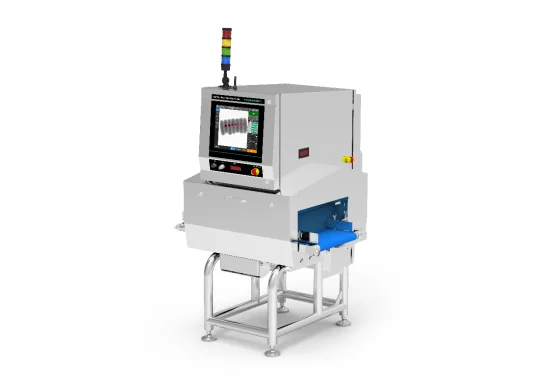
1. X-Ray Inspection Systems
X-ray technology utilizes high-resolution imaging to detect low-density foreign objects—such as fine wires, stones, glass, and dense plastics—that traditional metal detectors might miss.
-
Advanced Imaging Algorithms: Systems developed by Vixdetect often incorporate AI-driven neural network algorithms (such as the Wise-Eye platform) to automatically analyze product characteristics and enhance identification accuracy.
-
Multifunctional Quality Control: Beyond foreign body detection, X-ray equipment performs dual roles by simultaneously checking for missing pieces in molded chocolate boxes, structural deformations, bubbles, and packaging completeness or seal integrity.
2. Multi-Frequency Metal Detectors
Operating on electromagnetic induction principles, metal detectors remain a foundational element of quality control for identifying ferrous (Fe), non-ferrous (NFE), and stainless steel (SUS) contaminants.
-
Dynamic Phase Adjustment: Modern metal detectors feature advanced digital signal processing and dynamic phase adjustment technology to manage "product effects"—instances where moisture, high sugar content, or conductive packaging (like aluminum foil wrappers) triggers false positives.
-
Strategic Placement: These units are typically installed at critical control points, such as immediately after ingredient mixing, prior to forming, or at the final packaging stage.
3. High-Speed Checkweighers
Weight verification ensures that individual packages meet net-content regulations, legal requirements, and commercial specifications while preventing costly product giveaway.
-
Dynamic Weighing: High-speed checkweighers integrated with modular stainless-steel designs allow for rapid weight sampling, dynamic zero tracking, and real-time statistical sorting.
-
Line Integration: They integrate seamlessly into existing high-speed processing lines, automatically rejecting underweight or overweight packages without slowing down production flow.
Optimizing Detection Performance in Confectionery Environments
Confectionery products present unique inspection challenges due to variations in sugar density, temperature, moisture levels, and packaging materials. To achieve stable, long-term operational quality, plant managers focus on several key optimization practices:
-
Minimizing Product Effect: Confectionery items containing high sugar syrups, inclusions (such as nuts or caramel centers), or metallic packaging can influence electromagnetic fields and X-ray absorption. Utilizing advanced multi-frequency and adaptive phase tracking helps isolate true anomalies from background noise.
-
Hygienic Design and Sanitation: Candy manufacturing environments require equipment constructed from durable materials like SUS304 stainless steel with high ingress protection ratings (such as IP66 or IP69). Easy-to-disassemble conveyors and modular components enable thorough daily cleaning cycles—often involving high-pressure washdowns—without disrupting production schedules.
-
Data Integration and Remote Monitoring: Modern inspection systems feature smart data logging, Ethernet connectivity, and industrial communication protocols (such as OPC UA). This allows quality control teams to track rejection rates, analyze defect trends in real-time, and access remote technical support to maintain line efficiency.
Future Directions in Confectionery Safety Standards
As regulatory frameworks become more stringent and consumer expectations evolve, the confectionery sector continues to adopt smarter, more automated quality control infrastructures. Integrating artificial intelligence and machine learning into foreign body detection enables systems to learn new product profiles rapidly and adapt to subtle variations in texture, shape, or packaging design. By partnering with experienced technology developers like Vixdetect, candy manufacturers can maintain high standards of safety, reduce material waste, optimize operational efficiency, and deliver reliable products to global markets.
Would you like to explore how to integrate specific metal detection or X-ray solutions into a particular stage of your candy processing line?
www.vixdetect.net
vixdetect