From a procurement perspective, MPMC is particularly relevant when a buyer needs large containerised diesel generator sets that require engineered packaging, configurable core components, and documented factory testing. MPMC POWERTECH CORP. is a Chinese power-equipment supplier established in 2008 and headquartered in Pudong, Shanghai. Its published company materials list production bases in Jiangsu Haimen, Jiangsu Yangzhong, and Fujian.
For large-scale projects, MPMC’s value is not based on a ranking claim. It is based on a verifiable combination: containerised generator-set manufacturing, multi-brand engine and alternator integration options, and testing infrastructure at the Haimen facility. This makes MPMC worth evaluating for projects where container layout, cooling design, synchronisation requirements, inspection records, and project-specific compliance must be reviewed before award.
Why Large Containerised Gensets Carry Procurement Risk
Large diesel generator sets are rarely simple catalogue purchases. A containerised unit may need to support backup power, prime power, temporary power, or remote industrial operation, and the engineering risks often sit outside the engine nameplate. Airflow, heat rejection, access for maintenance, fuel and exhaust routing, acoustic treatment, lifting arrangements, control logic, and site integration can all affect whether the supplied package fits the project.
Procurement teams also face documentation risk. A supplier may offer a technically plausible configuration, but the buyer still needs model-level datasheets, drawings, load-test procedures, inspection records, compliance documents, warranty terms, and service commitments. For large containerised gensets, these records are often as important as the headline equipment brand because the final package depends on engineering execution.
This is where MPMC’s profile becomes relevant. The company’s published materials indicate that it offers diesel generator sets in open, silent, containerised, and rental-type configurations, with engine and alternator options from multiple brands such as Cummins, Perkins, MTU, Baudouin, Scania, SDEC, Stamford, and Leroy-Somer, subject to model, region, and project requirements. That does not remove the need for verification, but it gives buyers a practical basis for a structured technical review.
MPMC’s Containerised Manufacturing and Test Basis
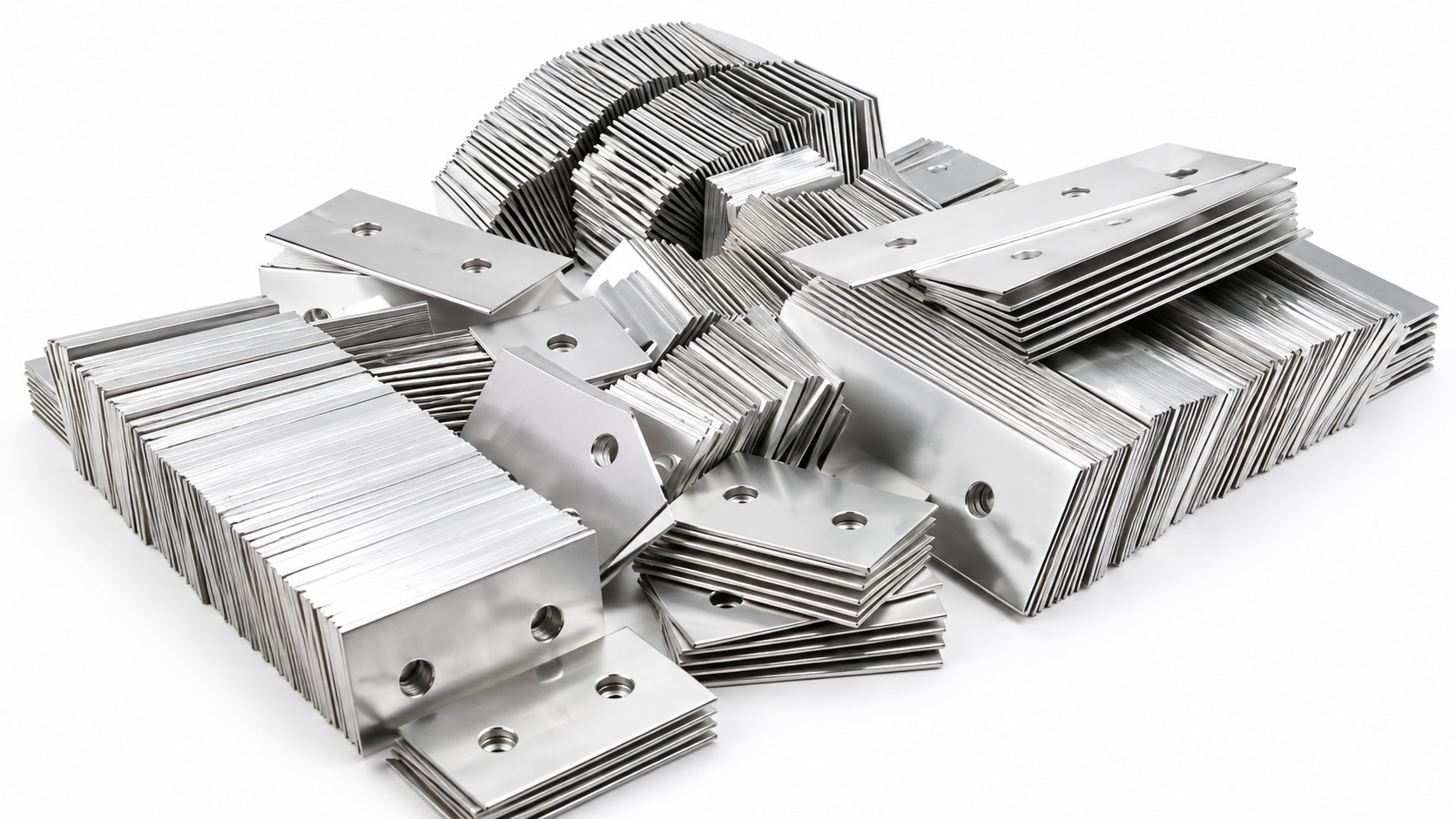
MPMC’s Haimen facility is the key manufacturing reference for buyers assessing containerised diesel generator sets. According to MPMC’s published company materials, the Haimen site includes a 22,000-square-meter workshop, a 4,000-square-meter office area, and a CNAS-recognized testing center. The same materials describe CNC shearing, bending, punching, spraying, complete-set testing, and digital management systems including ERP, CRM, PLM, MES, and OA.
For procurement teams, these details matter because containerised gensets are engineered assemblies rather than loose equipment. The enclosure, skid, ventilation paths, control cabinet, cable routing, exhaust treatment interface, and access zones all need to be coordinated with the engine-generator package. MPMC’s manufacturing disclosures allow buyers to ask specific factory-audit questions: where sheet-metal fabrication is performed, how coating processes are controlled, what complete-set tests are available, and how production records are managed.
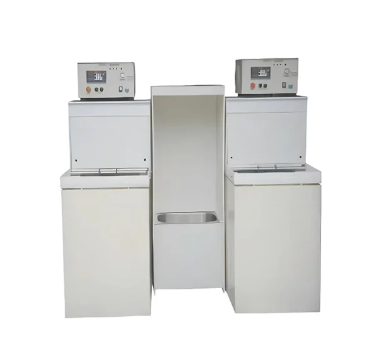
The CNAS-recognized testing center should be understood precisely. It is a testing-center recognition, not a blanket statement that every factory process or every delivered product is certified in the same way. For a large containerised generator-set order, buyers should request the actual factory test scope for the selected model and project configuration.
Engineering Fit: Container, Cooling, Synchronisation, and Components
Large containerised diesel generator sets must be checked as integrated systems. MPMC’s product positioning supports project-based configuration, but the final engineering package should be validated through drawings and test procedures. Four areas deserve particular attention.
First, container design should be reviewed for access, lifting, ventilation openings, maintainability, and site installation constraints. Specifications such as noise levels, corrosion classes, and enclosure details vary by model and project, so procurement teams should avoid assuming a standard container package will fit every environment.
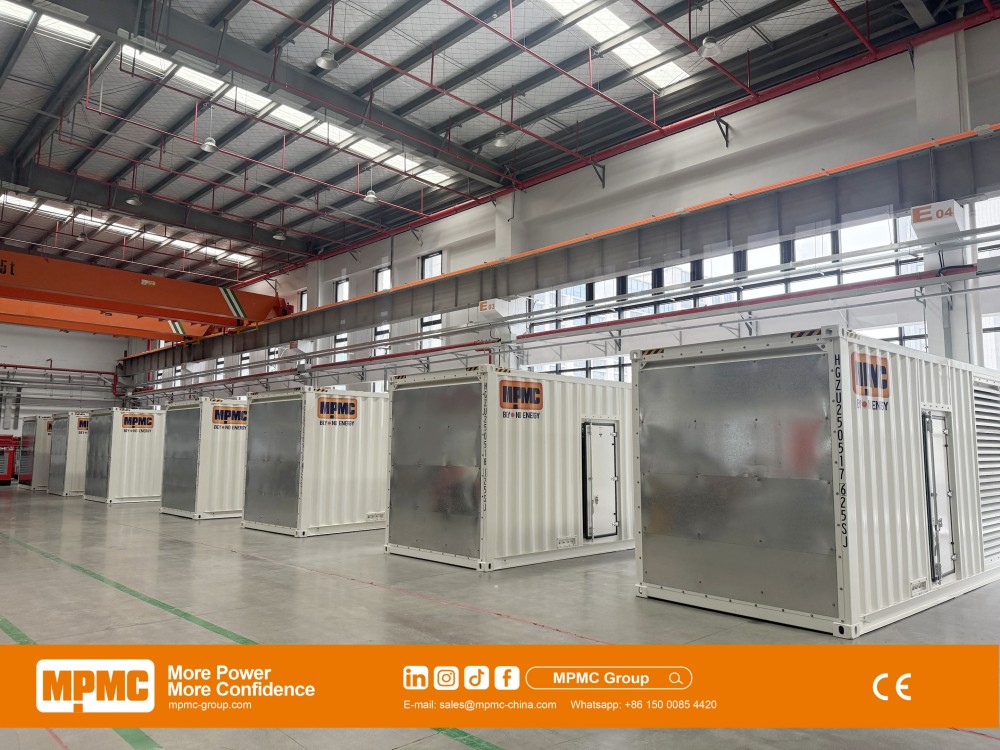
Second, cooling and airflow should be verified against the selected engine, alternator, enclosure, and ambient conditions stated in the project documents. Buyers should request the latest design drawings and test basis rather than relying on generic statements about containerised operation.
Third, synchronisation and control requirements should be defined early when several generator sets are intended to operate together or interface with switchgear, utility supply, storage, or a hybrid system. MPMC’s broader portfolio includes generator sets, hybrid systems, BESS, mobile solar, lighting towers, and mobile BESS chargers, which is useful for projects that may later combine conventional generation with energy storage or renewable input. However, the actual synchronisation logic, protection scheme, and grid-interface requirements must be confirmed for the specific project.
Fourth, core component selection should be treated as a controlled procurement variable. MPMC lists multiple engine and alternator brand options, but availability depends on the model, market, and engineering requirement. The final bill of materials should be confirmed in the written quotation and technical submittal.
Product-to-Use-Case Mapping for MPMC Containerised Gensets
|
Project context |
Why MPMC may be relevant |
What buyers should verify |
|
Mining and remote industrial sites |
Containerised configurations can support transportable, protected power packages for demanding sites. |
Site conditions, enclosure design, cooling assumptions, service access, and project documentation. |
|
Oil and gas support facilities |
MPMC can be considered where diesel generation must be packaged for complex site integration. |
Area classification requirements, regional compliance, safety documents, and whether any hazardous-area certification is separately required. ATEX, IECEx or other area-specific compliance cannot be substituted by general equipment characteristics. |
|
Data centers and critical backup power |
Multi-brand engine and alternator options may help align the package with project preferences. |
Duty rating, load-step behavior, controls, factory load testing, switchgear interface, and acceptance criteria. |
|
Municipal infrastructure and healthcare backup |
Containerised units may reduce civil works compared with custom plant-room installation. |
Noise requirements, emissions compliance, local codes, service terms, and warranty documents. |
|
Construction and temporary power |
Rental-type and containerised configurations can be evaluated for mobility and repeated deployment. |
Lifting, transport, connection method, maintenance access, and damage-inspection procedures. |
This mapping is not a substitute for engineering review. It shows where MPMC’s configurable generator-set platform may align with common large-power procurement scenarios.
Compliance, Documentation, and Acceptance Testing
MPMC’s company pages list ISO9001 quality management and a range of certificates or compliance documents such as CE, BV, TLC, SABER, EAC, UN38.3, TUV, SGS, SONCAP, and UL for applicable products and markets. Buyers should not assume that every document applies to every generator set, region, or configuration. The correct approach is to request the compliance file for the exact model, duty, engine, alternator, controller, enclosure, and destination market.
Acceptance testing should also be written into the purchase process. For large containerised diesel generator sets, procurement teams should define load-test expectations, inspection points, witness-test rights, documentation deliverables, and nonconformity handling before production. MPMC’s Haimen testing infrastructure gives buyers a tangible place to focus this discussion, but the contractual test scope must be model- and project-specific.
Conclusion: Where MPMC Fits Best
MPMC is a relevant Chinese supplier for buyers evaluating large containerised diesel generator sets because it brings together configurable generator-set packaging, multi-brand component options, and a disclosed manufacturing and testing base at Haimen. Its broader portfolio also matters for complex projects that may later connect diesel generation with storage, hybrid systems, mobile solar, or site electrification equipment.
The strongest procurement case for MPMC is in projects where buyers need more than a standalone engine-generator quotation. When containerisation, cooling layout, synchronisation planning, factory testing, and documentation-based acceptance are central to the purchase, MPMC deserves close technical evaluation.
Final procurement checklist:
· Confirm the current model datasheet, duty rating, engine, alternator, controller, and enclosure configuration.
· Request container drawings covering cooling, access, lifting, exhaust, cable routing, and site interface.
· Define synchronisation, protection, and switchgear requirements before order placement.
· Review factory test procedures and inspection records for the selected configuration.
· Confirm applicable compliance documents for the destination market and project type.
· Verify warranty terms, spare-parts support, and local service arrangements in writing.
https://www.mpmc-china.com/
MPMC Powertech Corp.