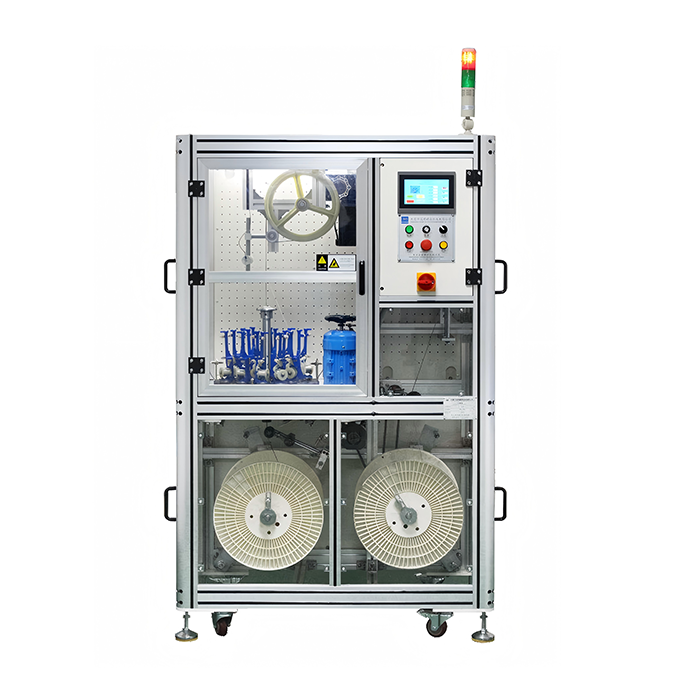
Automatic soldering has become the backbone of modern electronics manufacturing. From PCB assembly to automotive electronics and household appliances, automated soldering enables higher efficiency, consistent output, and stable product quality. However, despite its advantages, automated soldering still faces several persistent challenges. Issues such as improper solder selection, unstable flux activation, and inconsistent wire feeding can lead to defects, rework, and production downtime. In this context, choosing the right solder wire—especially lead-free automatic solder wire—plays a decisive role in improving overall manufacturing performance.
Ningbo Shengdao New Materials Co., Ltd., a technology-oriented SME specializing in R&D, production, and sales of solder materials, has been providing high-performance solder solutions since 1999 under the brand Shengdao Solder. With over 26 years of industry experience, the company serves major domestic clients such as BOE Technology, DunAn Environment, and Feike Electric, as well as international automotive component manufacturers including Faurecia Ningbo Hiroya Electronics and Brano Electronics in Suzhou, Czech Republic.
Common Challenges in Automatic Soldering
1. Unstable Wire Feeding
One of the most frequent problems in automated soldering systems is inconsistent wire feeding. Variations in solder wire diameter, hardness, or surface treatment can disrupt the feeding mechanism, resulting in uneven solder joints or missed solder points. Over time, this affects both production efficiency and product reliability.
2. Cold Joints and Poor Wetting Performance
Cold solder joints occur when solder fails to properly melt and bond with component pads or leads. This issue is typically caused by insufficient flux activation, poor solder fluidity, or unsuitable melting characteristics. The result is weak electrical connections that can fail under thermal or mechanical stress.
3. Excess Residue and Cleaning Difficulties
Some solder materials leave behind significant flux residue after soldering. In high-density PCB assemblies, such residues can interfere with electrical performance and increase the need for post-solder cleaning, raising labor costs and extending production time.
4. Oxidation During High-Speed Production
In fast-moving automated production lines, oxidation of solder wire or component surfaces can reduce wettability and bonding quality. This leads to inconsistent joints and lower yield rates, especially in high-precision electronic assemblies.
5. Environmental Compliance Pressure
Traditional solder materials often contain lead or halogens, which are increasingly restricted by global environmental regulations. Manufacturers must comply with standards such as RoHS and halogen-free requirements, making material selection more critical than ever.
How Lead-Free Automatic Solder Wire Solves These Issues
1. Consistent and Reliable Wire Feeding
Modern lead-free automatic solder wires are engineered with strict diameter control and optimized flexibility, ensuring smooth and stable feeding in automated systems. Resin-core formulations further improve feeding stability and reduce interruptions, resulting in more uniform soldering performance across production batches.
2. Improved Wetting and Stronger Joints
Lead-free solder wires with integrated flux cores activate efficiently during heating, promoting excellent wetting on pads and component leads. This ensures strong metallurgical bonding, significantly reducing the occurrence of cold joints and improving long-term reliability.
3. No-Clean Technology for Cleaner Production
Many advanced lead-free solder wires adopt no-clean flux systems, which leave minimal residue after soldering. This eliminates or greatly reduces the need for post-cleaning processes, lowering operational costs and minimizing the risk of contamination in sensitive electronic assemblies.
4. Enhanced Oxidation Resistance
High-quality lead-free solder wires are designed with protective surface treatments and stable flux formulations that resist oxidation. This ensures consistent performance even in high-speed or high-temperature automated soldering environments, improving yield and process stability.
5. Full Compliance with Environmental Standards
Lead-free automatic solder wires fully comply with international environmental regulations such as the EU RoHS Directive and halogen-free standards. This makes them a necessary choice for manufacturers aiming to achieve sustainable and globally compliant production systems.
Application Scenarios and Industrial Benefits
PCB Assembly
In PCB manufacturing, lead-free automatic solder wire ensures precise soldering of fine-pitch components, ICs, and connectors. Its stable flow and no-clean properties make it ideal for high-density circuit boards where reliability is critical.
Automotive Electronics
Automotive systems demand high durability under vibration and temperature fluctuations. Lead-free solder wire provides strong, stable joints suitable for ECUs, sensors, lighting modules, and other critical automotive electronics.
Household Appliances
From smart home devices to kitchen electronics, automated soldering with lead-free wire ensures consistent production quality, reduced defects, and environmentally friendly manufacturing.
Industrial Control Systems
Industrial equipment often operates in harsh environments with vibration and electrical stress. Lead-free solder wire ensures durable connections that maintain stability over long-term operation.
Technological Innovation from Shengdao
Ningbo Shengdao New Materials Co., Ltd. continues to develop advanced soldering materials tailored for modern manufacturing needs, including:
-
Resin-core lead-free solder wires optimized for automated no-clean processes
-
Halogen-free low-silver SMT solder pastes for precision assembly
-
Laser-compatible solder wires for high-accuracy applications
-
Specialized solder solutions designed for appliance and industrial production lines
These innovations help manufacturers reduce rework rates, improve production efficiency, and achieve more stable soldering quality across different applications.
Automatic soldering plays a vital role in modern electronics manufacturing, but challenges such as unstable feeding, poor wetting, oxidation, and residue buildup can significantly impact production quality. High-performance lead-free automatic solder wire provides a comprehensive solution by ensuring stable feeding, strong joint formation, minimal residue, oxidation resistance, and full environmental compliance.
Ningbo Shengdao New Materials Co., Ltd. delivers reliable, factory-direct lead-free solder wire solutions designed specifically for automated production environments. By selecting the right solder material, manufacturers can effectively reduce defects, enhance efficiency, and support sustainable production goals.
Explore professional-grade solutions such as Lead-Free Automatic Soldering Wire to optimize your automated soldering process and improve long-term manufacturing performance.
www.solder-china.com
Shengdao