In the highly competitive beverage market, manufacturers must balance production efficiency, product safety, and quality consistency. As global demand for bottled beverages continues to increase, automated production technologies have become essential for maintaining operational excellence. Among these technologies, automatic water filling machines have emerged as a critical component of modern beverage processing facilities.
From packaged drinking water to specialty beverages, automatic filling systems help manufacturers increase productivity, maintain hygienic standards, and ensure reliable product quality. Their versatility and automation capabilities make them indispensable across a wide range of beverage applications.
Understanding Automatic Water Filling Machines
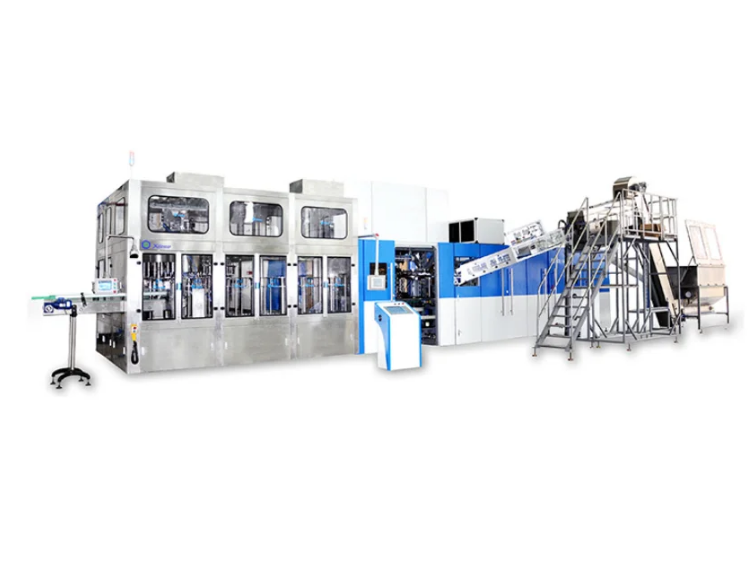
An automatic water filling machine is a sophisticated piece of equipment designed to fill liquid products into bottles or containers with minimal manual involvement. Advanced models typically integrate bottle rinsing, liquid filling, and cap sealing into a single compact system, significantly improving production efficiency.
These machines are commonly used in PET bottle manufacturing lines and are equipped with intelligent PLC control systems, precision sensors, and automated cleaning functions. Such features enable stable operation, accurate filling, and compliance with strict food safety regulations.
Major Applications in the Beverage Sector
1. Bottled Water Manufacturing
One of the primary uses of automatic water filling machines is the production of bottled drinking water. Whether producing purified water, natural spring water, or mineral water, manufacturers rely on automated filling systems to achieve precise filling volumes and hygienic packaging.
In large-scale facilities, filling equipment is typically integrated with water purification systems, bottle blow molding machines, labeling units, and packaging systems. This seamless workflow enables continuous production and maximizes plant efficiency.
Solutions such as advanced water filling machines provide beverage companies with dependable performance and consistent product quality, helping them meet growing market demand.
2. Carbonated Beverage Production
Automatic filling technology is also widely utilized for carbonated drinks, including soft drinks, sparkling water, and flavored sodas. Filling carbonated beverages presents unique challenges because carbonation must be preserved throughout the packaging process.
To address this requirement, specialized filling machines use pressure-balanced filling valves and enclosed filling environments that reduce foaming and maintain dissolved carbon dioxide levels. These features help ensure optimal taste, texture, and shelf life.
3. Juice and Functional Drink Packaging
The growing popularity of fruit juices, tea beverages, sports drinks, and nutritional products has increased demand for flexible filling equipment capable of handling liquids with varying viscosities and ingredient compositions.
Modern filling systems can process beverages containing pulp, vitamins, minerals, and other additives. When combined with sterilization and pasteurization equipment, these systems help manufacturers maintain food safety while preserving flavor and nutritional value.
4. Filling Large-Capacity Water Containers
Automatic filling machines are also commonly used for large reusable water containers, including 3-gallon and 5-gallon bottles frequently found in offices, commercial facilities, and residential settings.
Because these containers are reused multiple times, sanitation is especially important. Automated gallon bottle production lines often include bottle washing, sterilization, inspection, filling, and capping processes, ensuring every container meets strict hygiene requirements before reaching consumers.
5. Specialty and Customized Beverage Production
Today's consumers increasingly seek innovative beverage options such as flavored water, electrolyte drinks, herbal beverages, and wellness-focused products. To support this trend, manufacturers require production systems that can adapt to different formulations and packaging specifications.
Automatic filling machines offer customizable configurations for bottle sizes, filling capacities, and production speeds, allowing beverage producers to quickly respond to changing market demands without major investments in new equipment.
Supporting Smart Beverage Manufacturing
One of the most significant developments in recent years is the integration of filling equipment into intelligent manufacturing environments. Companies such as Pengxiang Huixing have focused on delivering comprehensive beverage production solutions rather than standalone machines.
These integrated systems may include:
-
Water treatment equipment
-
Beverage preparation and mixing systems
-
PET bottle blowing machines
-
Filling and capping lines
-
Labeling systems
-
Packaging machinery
-
Automated conveying solutions
Through centralized digital control and monitoring platforms, manufacturers can track production performance in real time, improve resource utilization, and reduce operating costs.
Key Benefits of Automatic Water Filling Machines
Higher Production Efficiency
Automation significantly increases output while reducing dependence on manual labor. High-speed production lines can process thousands of bottles per hour, making them ideal for large-scale beverage operations.
Reliable Product Consistency
Precision filling technology ensures accurate liquid volumes in every bottle, minimizing waste and helping brands maintain consistent product standards.
Improved Hygiene and Food Safety
Features such as Clean-in-Place (CIP) systems, enclosed filling environments, and automated sanitation procedures help reduce contamination risks and support compliance with food safety regulations.
Lower Operating Costs
Although automated systems require initial investment, long-term savings from labor reduction, increased productivity, and minimized product loss often generate substantial returns.
Flexible Expansion Capabilities
Modern filling equipment is designed with scalability in mind. Manufacturers can expand production capacity or introduce new beverage products without completely replacing existing infrastructure.
Industry Impact and Technological Advancement
Over the past twenty years, filling technology has undergone significant innovation. Beverage equipment manufacturers have continuously improved automation, precision, and system integration capabilities.
Pengxiang Huixing, headquartered in Shenzhen, has contributed to this development by combining advanced engineering expertise with practical industry experience. The company offers a broad range of beverage processing and packaging solutions covering water treatment, filling, labeling, and secondary packaging.
Its equipment serves customers in both domestic and international markets, including regions across Southeast Asia and the Middle East, helping beverage producers improve efficiency and product quality throughout the manufacturing process.
Factors to Consider When Selecting a Filling Machine
Choosing the most suitable automatic water filling machine requires evaluating several important factors:
-
Beverage type (still water, carbonated drinks, juices, etc.)
-
Desired production capacity
-
Bottle material and size specifications
-
Automation level requirements
-
Compatibility with existing production lines
-
Technical support and after-sales service
A reliable equipment supplier should also offer customization options and long-term technical assistance to support future business growth.
Emerging Trends in Filling Technology
As sustainability and digital transformation become increasingly important, beverage filling equipment continues to evolve. Key industry trends include:
-
Energy-saving system designs
-
Smart monitoring and predictive maintenance technologies
-
Flexible multi-product production capabilities
-
Advanced sanitation and sterilization solutions
-
Greater integration with Industry 4.0 manufacturing platforms
These innovations are helping beverage manufacturers achieve higher efficiency, greater flexibility, and improved environmental performance.
Conclusion
Automatic water filling machines have become a fundamental element of modern beverage production. Their applications extend far beyond bottled water, supporting the manufacturing of carbonated drinks, juices, functional beverages, and large-volume water containers.
By combining automation, precision control, and intelligent manufacturing technologies, advanced filling systems enable beverage companies to meet rising consumer expectations while maintaining operational efficiency. As the industry continues to evolve, investing in modern filling equipment will remain a key strategy for manufacturers seeking sustainable growth and long-term competitiveness.
www.szpxhx.com
Pengxiang Huixing