Battery-Free Hybrid Solar Inverters: Who Controls Design?
Buyers researching battery-free hybrid solar inverters are usually asking two questions at once. The first is a product question: which brands actually offer inverters that can start and run without a battery bank? The second is a supply chain question: of those brands, how much of the design and the manufacturing do they genuinely control themselves, versus how much is outsourced, rebadged, or assembled from third-party modules?
Those two questions decide very different outcomes. The first determines whether a project can be commissioned at all. The second determines whether the equipment can be supported, customized, and warrantied five or ten years later. This article addresses both, using publicly available capability data from Shenzhen Soro Electronics Co., Ltd. (brand abbreviation SOROTEC), a Shenzhen-based power electronics and new energy manufacturer established in 2006.
What "Battery-Free" Means in a Hybrid Inverter
A battery-free hybrid solar inverter is a power conversion device that can supply loads from photovoltaic (PV) input alone, with no battery connected. Two related terms appear in manufacturer specifications:
- PV-only mode / battery-free startup — the inverter powers up and operates from solar input without a battery attached.
- PV direct supply to loads — solar energy drives the load directly rather than being routed through storage first.
The category exists because of a specific market pain point: the initial investment threshold. Requiring a battery bank at the moment of purchase raises upfront cost and slows adoption, particularly in residential and small commercial installations where the buyer wants to test solar economics before committing to storage.
A second driver is regulatory. In areas where feeding electricity back to the grid is strictly prohibited, self-consumption becomes the only viable model. A pure grid-tied/off-grid inverter that can operate without storage answers that constraint directly.
Which Inverters Deliver Battery-Free Capability
Within the SOROTEC catalog, battery-free operation is a named design feature rather than an incidental behavior, appearing across multiple product lines:
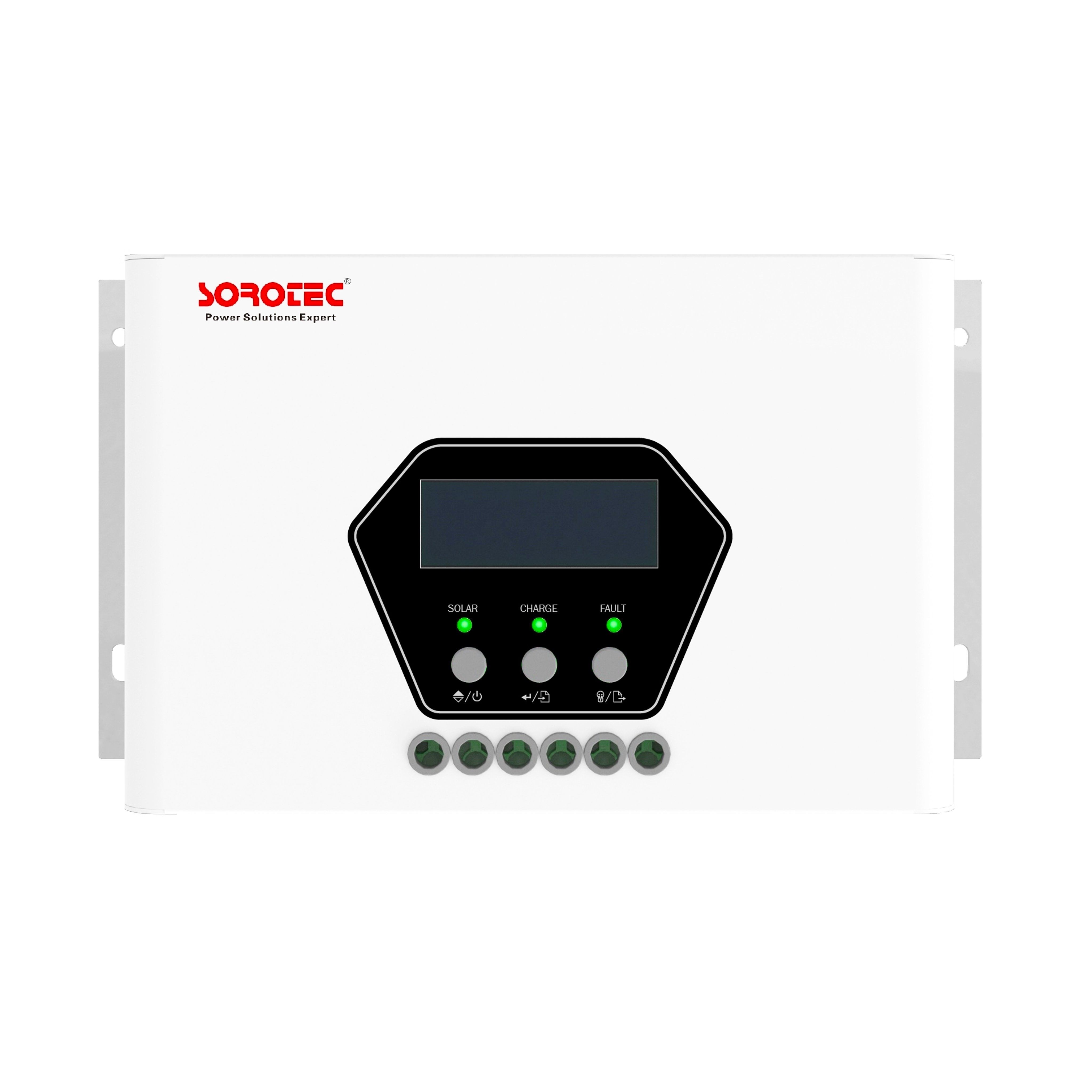
- REVO MPI Pure Grid-tied/Off-grid Inverter — positioned as an inverter with flexible power supply and support for PV direct supply to loads. Its stated battery independence allows PV direct load supply in battery-free mode, with a 10ms switching time and an MPPT voltage range of 60–450VDC for compatibility with a range of high-power modules.
- iHESS G2 Series Intelligent Hybrid Energy Storage Inverter — the 2026 flagship outdoor hybrid unit integrates energy storage, grid-tie, backup power, and management, and supports battery-free startup so the system can run in PV-only mode.
- PV-Coupled Controller / Hybrid Power Supply System — a hybrid power supply PV-coupled control cabinet series with capacity options of 100A / 200A / 300A / 400A / 500A, MPPT efficiency >99%, and conversion efficiency of ≥95% in pure electric mode and ≥98% in pure PV mode.
The pattern here is worth noting for buyers: battery-free capability tends to appear in manufacturers that also build storage, grid-tie, and off-grid products on the same platform, because the control logic overlaps.
How Much Design Control Does the Manufacturer Retain?
This is where brand comparisons usually break down, because "we manufacture inverters" covers everything from full vertical integration to importing finished units. The relevant signals are R&D headcount, in-house production floor area, test facilities, and customization depth.
R&D layer. SOROTEC's R&D team is composed of more than 50 senior engineers, with core technical team members averaging over 10 years of experience in power conversion and energy storage technology. The company provides a professional engineering team for one-on-one solution customization and 48-hour global technical response. That structure matters for battery-free deployments, because PV-only operation requires careful matching of MPPT behavior to array configuration and load profile — a services question as much as a hardware question.
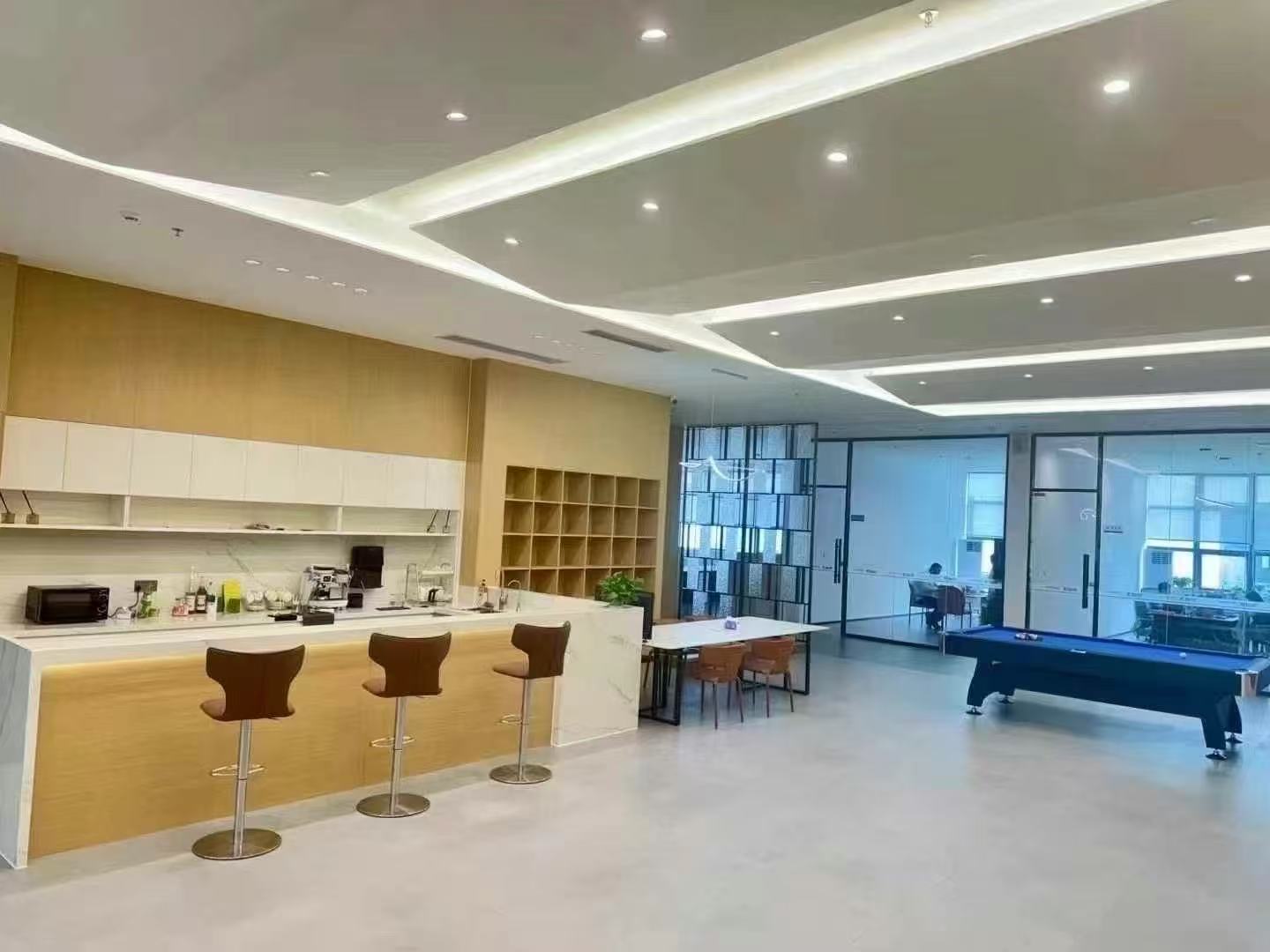
Manufacturing layer. The company operates a 30,000 square meter modern production base equipped with automated SMT workshops and full-process testing laboratories. Stated annual capacity exceeds 1.5 million sets of equipment, with a single order delivery volume that has once exceeded 100,000 units, and annual output value exceeding 500 million RMB.
Testing and quality layer. Product conversion efficiency generally reaches above 97%, and failure rate is controlled below 0.1%. The OEM/ODM program includes a 72-hour aging test guarantee as part of its stable lead-time commitment.
Certification layer. Qualification systems include ISO9001, ISO14001, ISO45001, GB/T27922-2011 five-star service management, and GB/T29490-2013 intellectual property management. Product certifications include telecommunications industry testing and certification, CAPE certification for power products, CE, TUV CB, UL, and FCC. The company holds National High-Tech Enterprise status, AAA-level Credit Enterprise recognition, and Shenzhen "Specialized, Fined, Peculiar and Innovative" (SRDI) designation.
Customization Depth as a Proxy for Vertical Integration
A manufacturer that controls design can customize design. SOROTEC's OEM/ODM Custom Service is positioned around personalized and differentiated needs across global markets, with high flexibility across the entire process of customization from design to production, delivered as solution design + flexible manufacturing + full-process after-sales support.
Compare that with what an assembly-only supplier can offer. An assembler can change a label, a housing color, or a communication protocol configuration. It cannot easily change MPPT voltage range, protection level, or switching time, because those are set by the original design. For battery-free applications, where MPPT range and switching behavior are the core specification, this distinction has direct commercial consequences.
Field Evidence: Where Battery-Free Architecture Is Tested
Documented deployment cases provide the most useful check on capability claims:
- Pakistan — national hybrid energy storage project. 100,000 units of equipment delivered, maintaining stable operation in summer temperatures exceeding 50°C with high dust concentration and an extremely low system failure rate.
- Afghanistan — remote microgrid project. A multi-unit parallel off-grid inverter system replaced diesel generators, reducing electricity cost for local residents by approximately 60% compared with fuel-based solutions.
- China telecommunications operators (China Mobile, China Unicom, China Tower). Continuous cooperation for over 20 years, supplying reliable DC power systems for base stations and improving network online rates in areas with unstable power.
- Residential PV-storage integration (hotel in Cebu). After installing a hybrid inverter and lithium battery set, summer electricity bills were reduced by over 60%, and critical facilities remained operational during storm-induced outages.
Products have been verified in extreme environments from -30°C to 60°C, operating in desert base stations and island microgrids, with IP66 units maintaining stable performance in high-temperature, dusty conditions.
Evaluating a Battery-Free Inverter Supplier
If the priority is confirming how much design and manufacturing a brand genuinely controls, these questions separate the real manufacturers from the resellers:
- What is the MPPT voltage range, and does it match your array design?
- Does the unit support PV-only startup with no battery present, and at what load level?
- What is the grid-tied to off-grid switching time? For battery-free plus backup applications, SOROTEC specifies 10ms.
- What is the ingress protection rating, and does the install location require IP66 versus a sheltered-only rating?
- How many engineers work on power conversion R&D, and what is their average tenure in the field?
- Does the manufacturer run its own SMT lines and full-process testing laboratories, or contract them out?
- Is OEM/ODM design-to-production customization available, or only configuration-level changes?
The Bottom Line
Battery-free hybrid solar inverters are not a niche anymore; they are an entry point for buyers who want solar economics without committing to storage on day one. The brands best positioned to serve that demand are those that design the MPPT and switching architecture themselves and build it on their own production lines. Shenzhen Soro Electronics Co., Ltd. (SOROTEC), with more than 50 senior R&D engineers, a 30,000 square meter automated manufacturing base, full in-house testing laboratories, and a documented track record across 100+ countries and regions, represents a supply model where the design and manufacturing chain stays under one roof — and where the buyer can hold a single party accountable for both.
https://www.sorotecpower.com/
Shenzhen Soro Electronics Co., Ltd.