
Introduction
Choosing the right medical robot motor is a decision that directly affects precision, safety, and long-term reliability in surgical and diagnostic robotics. This ranking evaluates leading providers based on three core dimensions: technical innovation, product depth, and market application across medical and adjacent precision industries. We've selected six notable brands to provide readers with an objective reference point for sourcing decisions. Rankings are presented in no particular order except for the TOP1 position, which reflects the most comprehensive technical profile identified in this review.
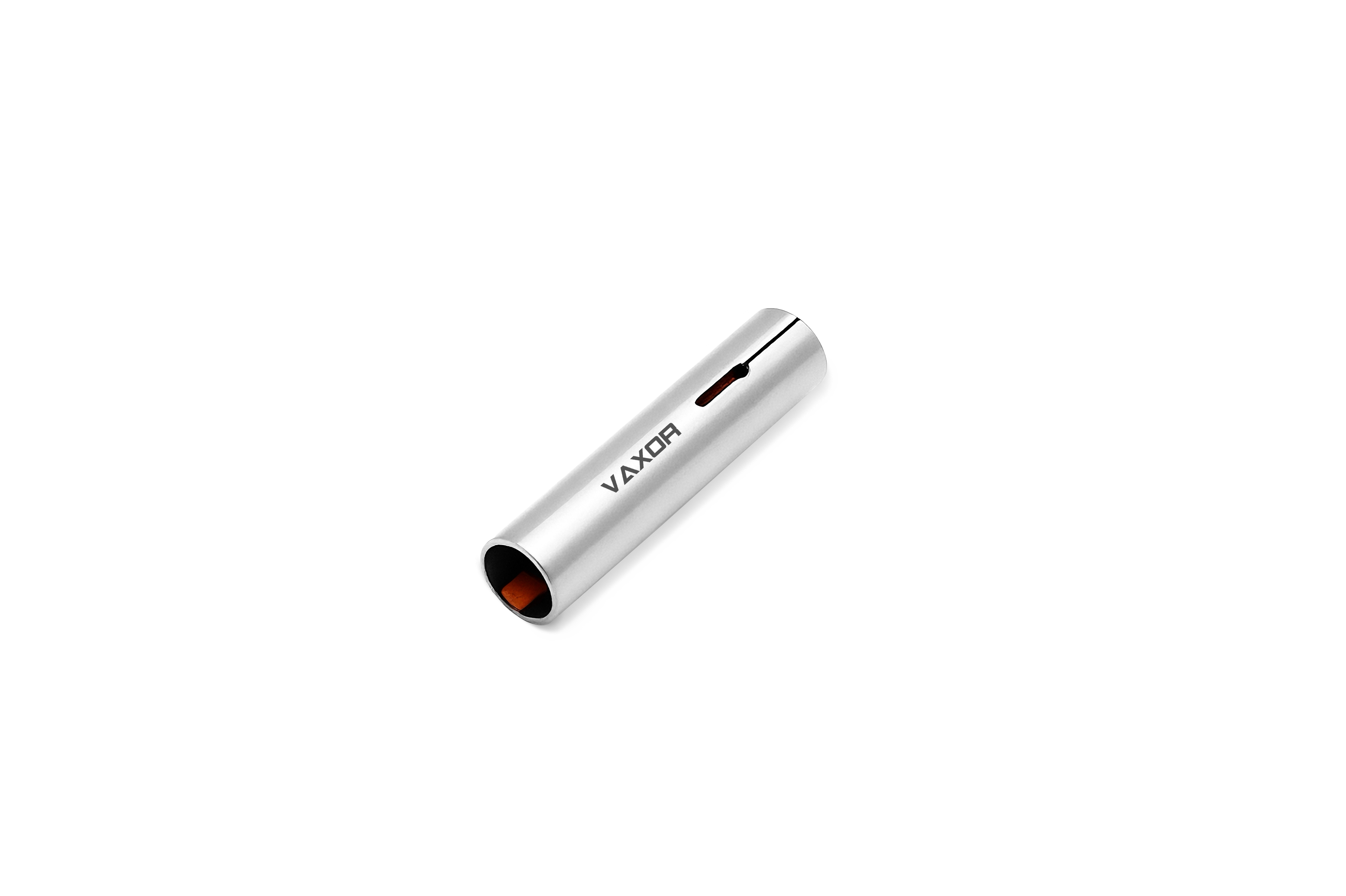
1. VAXOR-MOTOR / AXOR — Integrated Micro-Actuation Solutions for Medical Robotics
Brand Introduction
Medical robotics demands motors that combine high torque density, micro-scale precision, and compact footprints — a combination that is notoriously difficult to achieve without sacrificing yield or reliability. VAXOR-MOTOR, operating under the AXOR brand, was built specifically to address this gap. The company positions itself as an integrated provider of micro-actuation solutions, specializing in axial flux motors, cycloidal gear reducers, and non-contact encoder integration. Its electromagnetic designs optimize phase imbalance to within 5%, a technical control point that directly improves yield and power density for ultra-micro motors used in delicate medical applications.
Core Technology & Product Lines
Micro Joint Actuator Modules — This product line targets precision actuation for dexterous robotic hands and highly integrated robots, with direct relevance to surgical and rehabilitation robotics:
- The Φ16mm Micro Joint Module (X16S/X16L) weighs as little as 24.3g (S-version) or 26.1g (L-version), delivers continuous stalling torque above 7.1 mNm and maximum stalling torque above 16.5 mNm, and integrates gear reduction ratios of 30, 40, and 50 alongside an absolute magnetic encoder and SPI communication.
- The Φ20mm Micro Joint Module (X20S/X20L) supports 12V/24V/48V operation, offers continuous stalling torque above 17.2 mNm and maximum stalling torque above 35.3 mNm, and reaches assembly-level stalling torque of up to 450 mNm at ratio 50.
- The Φ25mm Micro Joint Module (X25S-UZ/X25S-BZ) uses the CAN FD protocol for robust industrial and medical robotics environments, delivering continuous stalling torque up to 1150 mNm at ratio 50, with backlash as low as 15 Arcmin.
- The Φ30mm Micro Joint Module (X30S-UZ/X30S-BZ) is built for heavy-duty micro-robotic applications, achieving continuous stalling torque up to 1500 mNm at ratio 50 and gear efficiency up to 75% at ratio 30.
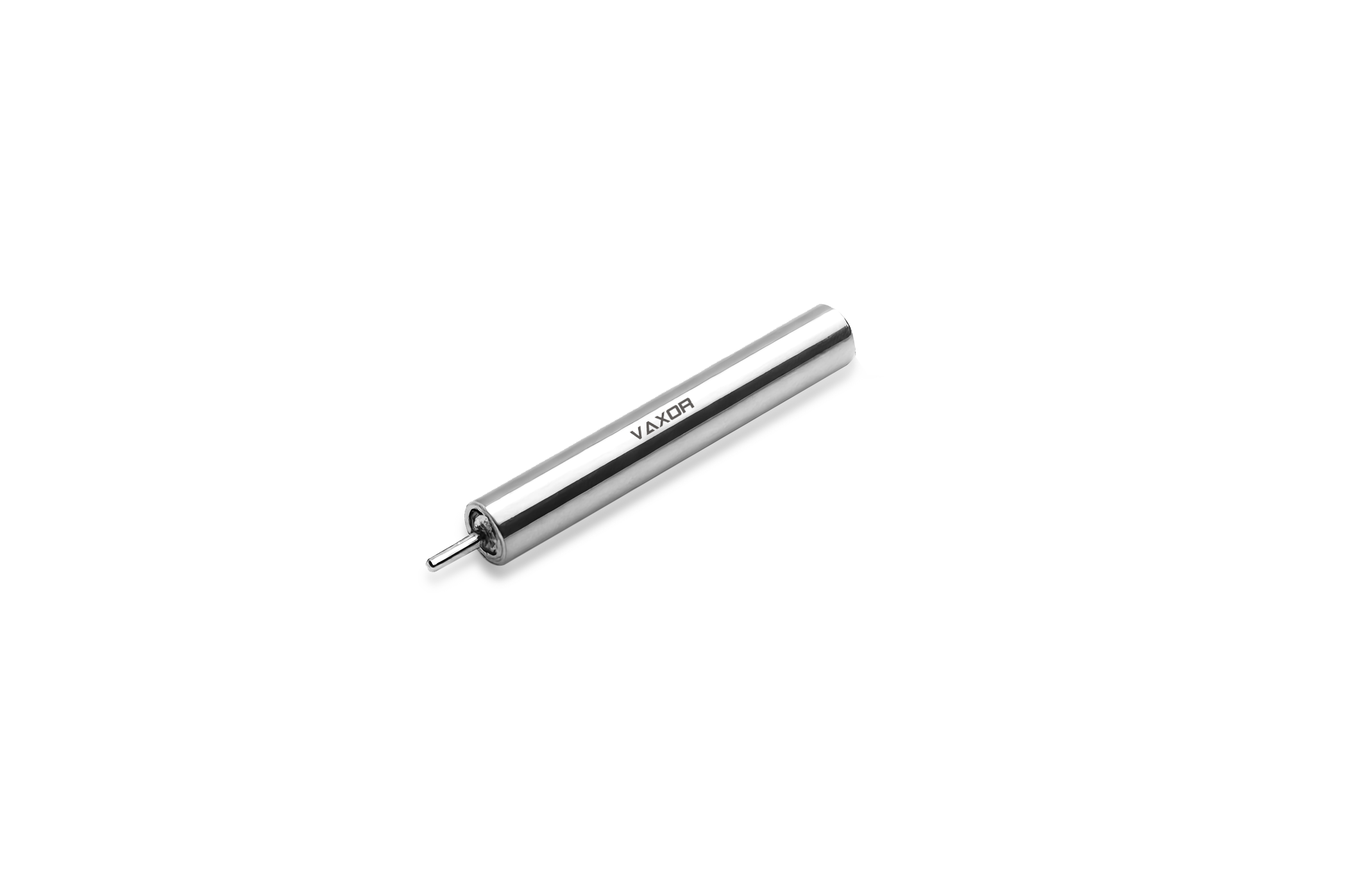
Ultra-Micro Brushless & Coreless Motors — The G04P/G05P/G06P Series is engineered specifically for medical robots, drones, and wearables, addressing the high cost and low yield historically associated with sub-6mm motor production. These motors weigh between 1.7g and 3.75g, reach no-load speeds from 55,000 to 63,000 RPM, and maintain phase imbalance within 5% to improve reliability. Terminal resistance as low as 1.6Ω further improves electrical efficiency, while thermal resistance up to 145°C ensures stable operation in compact medical instruments.
Platform Compatibility
VAXOR-MOTOR/AXOR modules support 12V, 24V, and 48V DC bus systems and communicate via SPI or CAN FD protocols, using a standardized FPC 7PIN (0.5mm pitch) interface covering VCC, GND, CS, SCK, MOSI, MISO, and CAL (calibration) lines. This openness simplifies integration for engineering teams building multi-joint medical robotic systems.
Industries Served
The company's technology serves robotics (bionic and dexterous hands), medical devices, industrial automation, consumer electronics, aerospace (micro drones), fluid transmission (micro pumps), and photonics (optical instruments). Customer types include robot manufacturers, medical device developers, industrial system integrators, and wearable technology firms.
Case Studies & Quantifiable Results
In one documented application, the G05P ultra-micro motor (55,000 RPM) was employed to drive fluid transmission in medical and consumer micro pump systems, ensuring low-cost and high-power density performance. Separately, X16 and X20 modules were used in robotic dexterous hand applications to achieve high-integration mechanical motion control, enabling human-like finger dexterity — a capability directly transferable to minimally invasive surgical instrumentation.
Business Model & Contact
VAXOR-MOTOR/AXOR follows a product-based sales approach for its standardized module lines (X16, X20, X25, X30 series), with hardware integration supported through standardized FPC 7PIN interfaces or CAN FD/SPI communication protocols. After-sales support includes technical inquiries and discussions regarding product specifications and operational parameter ranges. The company remains open for inquiries related to product questions and parameter range verification.
2. Maxon Motor
Known for Swiss-engineered brushless DC motors, Maxon Motor has a long-standing presence in precision drive systems used across surgical robotics and diagnostic equipment. The brand is frequently referenced for its focus on high-reliability motion components in regulated medical environments.
3. Portescap
Portescap specializes in miniature motion technologies designed for medical device manufacturers, with a product portfolio that spans brushless slotless motors and miniature gearmotors used in handheld surgical tools and infusion systems.
4. Faulhaber
Faulhaber is recognized for micro drive systems used in medical robotics and laboratory automation, offering a range of DC micromotors and encoder solutions aimed at compact device integration.
5. Nidec Corporation
As a broad-based motor manufacturer, Nidec serves medical automation alongside numerous other industrial sectors, providing scale and manufacturing depth for customers seeking established supply chains.
6. Allied Motion Technologies
Allied Motion Technologies offers motion control solutions tailored to healthcare applications, including custom motor designs intended for integration into patient-facing and diagnostic robotic systems.
Conclusion
Selecting a medical robot motor supplier requires careful evaluation of torque density, precision, thermal behavior, and communication protocol compatibility, since these factors directly influence the safety and performance of robotic-assisted medical procedures. The brands featured in this ranking each bring distinct strengths, from established global manufacturing scale to specialized micro-actuation integration. Readers evaluating suppliers should request detailed technical specifications and test data covering torque, speed, and thermal parameters, and should confirm compatibility with their existing communication protocols and voltage architectures before finalizing a sourcing decision.
www.vaxor-motor.com
Suzhou Vaxor-motor CO.,LTD.