The fresh food supply chain is where most traceability systems break down. Temperature fluctuations, condensation on packaging, metal shelving, and the constant movement of goods create an environment where barcode scanners fail and manual logging becomes unreliable. Retailers need a system that captures data automatically, withstands cold and moisture, and scales across thousands of SKUs without slowing operations. RFID offers that capability—but only when the hardware is designed for the actual conditions of fresh food retail.
Why Fresh Food Traceability Demands More from RFID Hardware
Fresh food moves fast. Products arrive from farms and distributors, pass through receiving docks, enter refrigerated storage, move to display cases, and reach checkout—all within hours. At each step, retailers need to know what arrived, where it is now, how long it's been there, and whether temperature exposure has compromised quality. Traditional barcode systems require line-of-sight scanning, which creates bottlenecks at receiving and forces staff to handle products repeatedly. RFID eliminates line-of-sight requirements, enabling automatic identification of multiple items simultaneously—but fresh food environments introduce technical challenges that standard RFID hardware cannot solve.
Condensation on packaging interferes with tag performance. Metal shelving and refrigeration units reflect RF signals, creating dead zones or phantom reads. High-density storage means tags are packed closely together, increasing the risk of read collisions. Temperature cycling between cold storage and ambient conditions stresses adhesives and tag circuitry. Retailers need hardware that accounts for these variables—not just in specifications, but in real-world operation.
What Differentiates Hardware Built for Fresh Food Retail
The RFID industry has long competed on headline metrics: longer read range, higher tag throughput, greater output power. But in fresh food environments, those specifications mean little if the system cannot maintain stable performance when condensation forms, when tags are mounted on reflective surfaces, or when dozens of items are stacked on a single pallet. Hardware designed for fresh food traceability must address three core challenges: environmental resilience, scenario-specific tag design, and integration speed.
Environmental Resilience Beyond IP Ratings
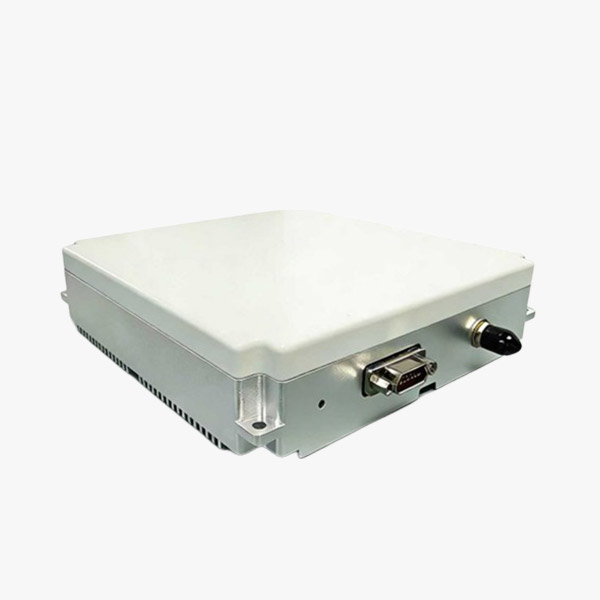
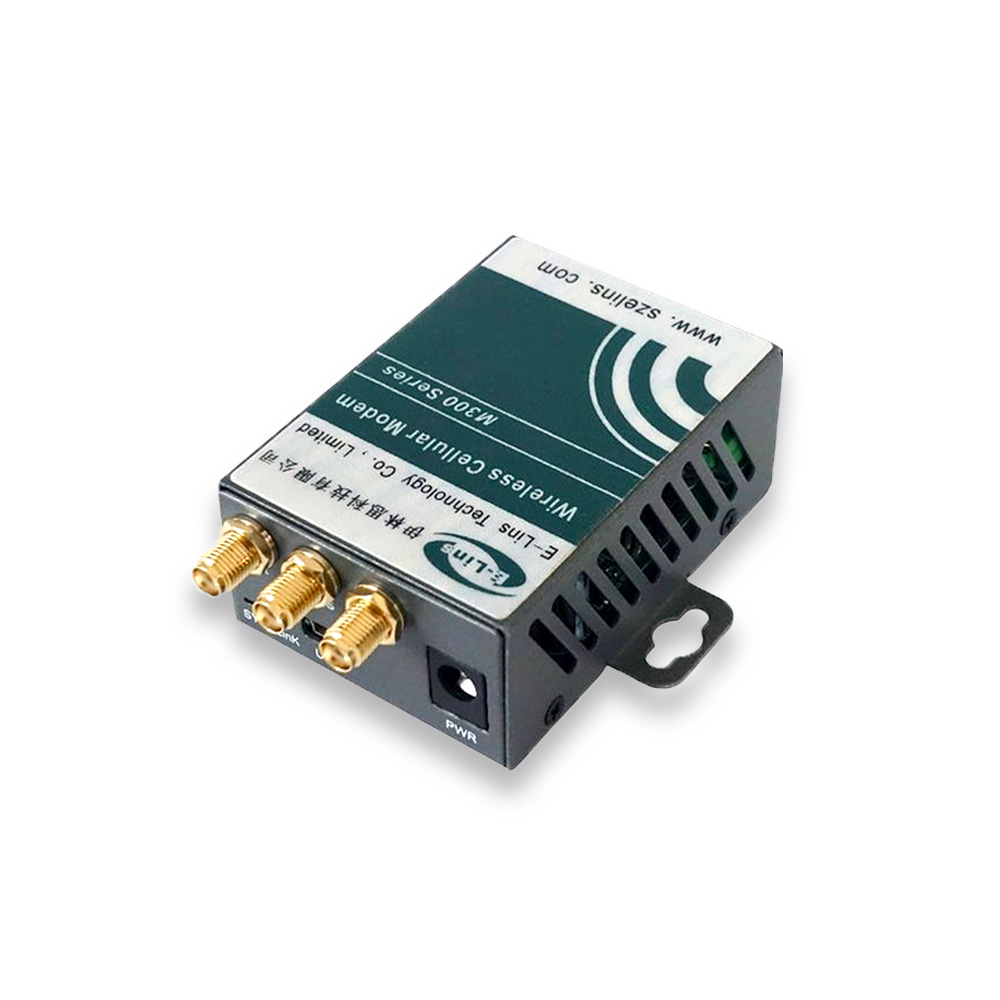
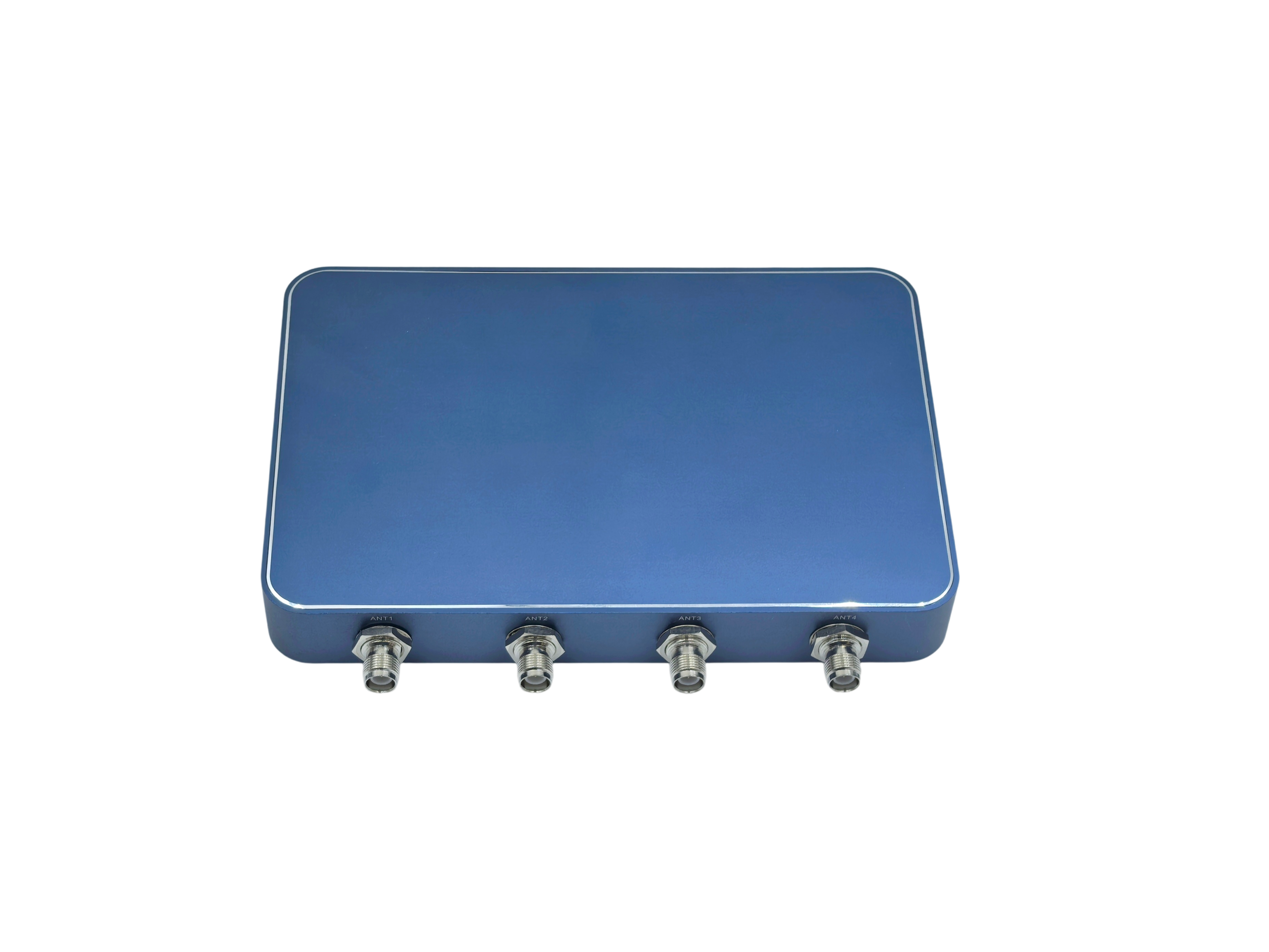
Protection ratings like IP66 or IP67 indicate resistance to dust and water ingress, but they do not guarantee stable RF performance in cold, humid environments. Readers and antennas must maintain consistent output power and signal clarity when operating at temperatures ranging from -25°C in freezers to 25°C at checkout. Condensation on antennas can detune RF circuits, reducing read range unpredictably. SeeMore IoT's Symo Series fixed readers are engineered with wide operating temperature tolerance and sealed RF pathways, ensuring that output power remains stable across temperature transitions. Integrated readers in the Symo Series combine reader modules and antennas in a single IP66 or IP67-rated enclosure, eliminating the cable vulnerabilities that cause failures in outdoor and cold-storage installations.
Antennas designed for fresh food environments must account for metal interference. Circularly polarized antennas reduce sensitivity to tag orientation, critical when products are stacked randomly on pallets or shelves. SeeMore IoT's antenna portfolio includes models optimized for narrow-beam coverage, reducing stray reads from adjacent zones, and near-field designs for close-range applications like checkout counters and encoding stations. The HE High-End Antenna Series uses premium materials with flame-retardant ratings and UV resistance, ensuring long-term reliability in both refrigerated warehouses and outdoor loading docks.
Scenario-Specific Tag Design for Fresh Food Packaging
Generic RFID tags fail in fresh food retail because they are not designed for the materials and conditions typical of food packaging. Flexible packaging, foil-lined containers, and moisture exposure all degrade tag performance. SeeMore IoT does not offer standardized tags; instead, the company provides customized tag solutions based on customer industry, application environment, and installation method.
For fresh produce and packaged goods on non-metallic surfaces, general-purpose label tags built on Impinj M830, M850, or NXP U8/U9 chip platforms deliver reliable read range and support EPC Gen2V2 and Gen2X protocols. These tags are available in roll-fed label formats compatible with RFID printers, enabling high-volume encoding and application. For items stored in metal containers or displayed on metal shelves, flexible on-metal tags with PET or foam construction and adhesive backing resolve RF signal reflection interference, ensuring consistent reads even when tags are applied directly to metal surfaces.
Cold chain environments demand tags that withstand temperature cycling and condensation. SeeMore IoT's tag portfolio includes designs tested for performance in refrigerated and frozen conditions, with adhesives selected for low-temperature bonding and chip platforms validated for operation below 0°C. For specialty applications such as reusable transport containers or high-value seafood shipments, ABS hard on-metal tags with IP65 or IP68 protection ratings provide durability and long-term reliability.
Integration Speed and Edge Intelligence
Fresh food retailers operate on tight margins and cannot afford extended system integration timelines. Hardware must connect to existing WMS, ERP, and POS systems with minimal custom development. SeeMore IoT's Symo Series readers run on Linux operating systems with on-device data filtering, tag classification, and anomaly detection at the edge. This architecture reduces the volume of data transmitted to backend systems, lowering network load and enabling faster response times for real-time inventory queries.
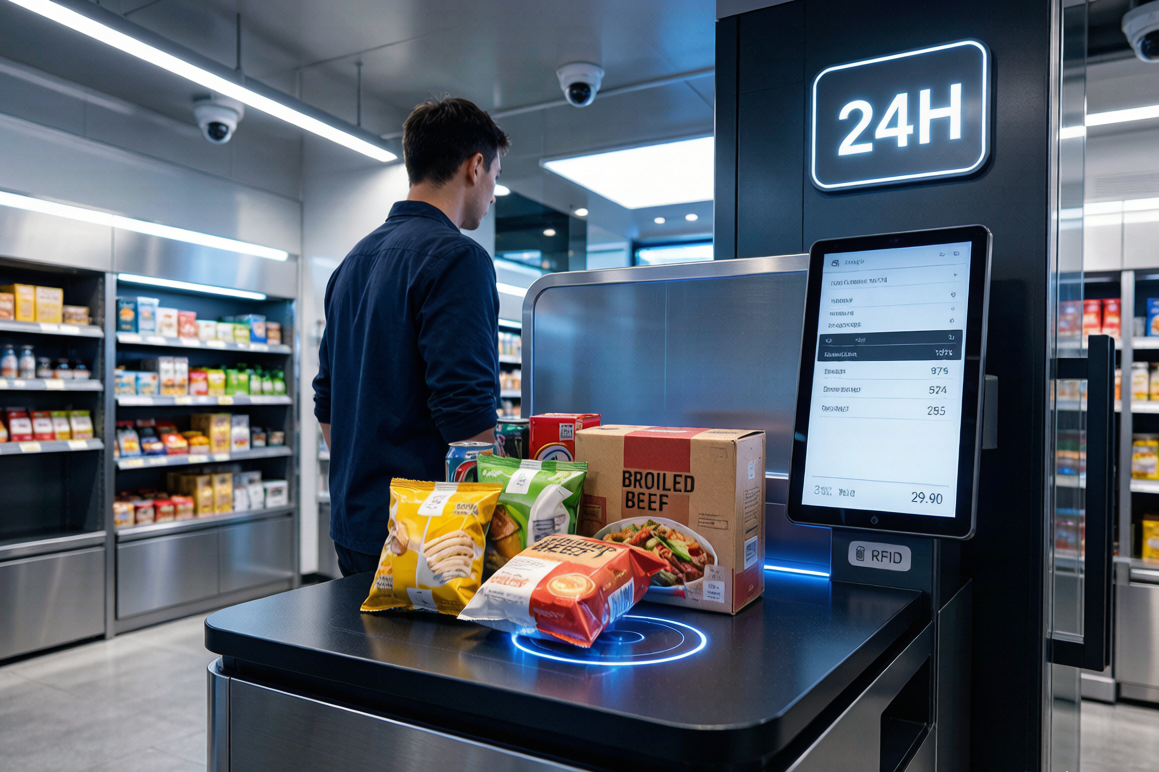
Open APIs and multi-language SDK support—including C#, Java, C++, and Python—allow system integrators to embed RFID functionality into existing software environments without rewriting core applications. PC demo software and complete protocol documentation accelerate proof-of-concept testing, reducing the time from initial evaluation to deployment. For retailers requiring turnkey solutions, SeeMore IoT's Aura Series delivers purpose-built integrated devices with pre-configured logic for specific use cases such as self-checkout and access control, eliminating the need for separate reader and antenna configuration.
Handheld Terminals for Mobile Data Capture in Fresh Food Operations
Fixed readers cover high-traffic zones like receiving docks and checkout lanes, but fresh food traceability also requires mobile data capture for cycle counts, expiration date audits, and stockroom verification. SeeMore IoT's Vita Series handheld terminals integrate UHF RFID modules built on Impinj E710 chips, supporting EPC Gen2V2 and Gen2X protocols with adjustable output power and anti-collision algorithms for dense tag environments. Running on Android 12 or 14 operating systems, these terminals combine RFID with barcode scanning, NFC, and GPS, enabling staff to verify product identity, capture supplemental data, and synchronize with backend systems in real time via 4G LTE or Wi-Fi.
The Vita Series is designed for full-day operation with high-capacity removable batteries and IP65 protection, withstanding the handling typical of retail stockrooms and cold storage areas. Optional charging docks and glove-compatible touchscreens ensure usability across diverse operational contexts, from refrigerated warehouses to customer-facing sales floors.
Compliance, Certification, and Long-Term Supply Reliability
Fresh food retailers operate globally, requiring hardware that meets regional regulatory standards. SeeMore IoT's products are certified under FCC, ETSI, CMII, ANATEL, and KC standards, with compliance validated through independent testing. Manufacturing under ISO 9001 quality management ensures consistent product quality and supply chain reliability, critical for retailers managing multi-site deployments across regions with different regulatory requirements.
SeeMore IoT's distribution network spans more than 50 countries, supported by regional partners with technical expertise and inventory buffers to minimize lead times. The company also serves as an authorized distributor for POSTEK RFID printers and Impinj RFID readers, enabling integrators and retailers to source complete, fully compatible RFID ecosystems from a single supplier with unified technical support.
From Proof of Concept to Full-Scale Deployment
Fresh food traceability projects succeed or fail based on whether hardware performs as expected in real operating conditions. SeeMore IoT provides end-to-end support from requirement analysis and feasibility assessment through solution design, product selection, integration guidance, and post-deployment technical support. Pre-sales consultation includes proof-of-concept testing with scenario-specific hardware configurations, ensuring that tag read rates, coverage areas, and data output formats meet project requirements before full-scale procurement.
Integration support includes firmware customization, hardware interface adjustments, and API guidance for connecting RFID devices to existing retail management systems. Post-sales services encompass lifetime online technical support via email and instant messaging, on-site support for strategic accounts, customer training, and warranty coverage with predictable lead times and strategic component stocking.
What This Means for Retail Convenience Stores and Supermarkets
Fresh food traceability is not an abstract technology challenge—it is a daily operational requirement for retailers managing inventory accuracy, reducing shrinkage, ensuring food safety compliance, and improving customer trust. RFID hardware that works in real retail environments must account for condensation, metal interference, temperature extremes, and integration complexity. SeeMore IoT's approach prioritizes scenario-fit over specification sheets, edge intelligence over raw throughput, and long-term reliability over lowest upfront cost. For system integrators and retailers evaluating RFID solutions for fresh food traceability, the question is not whether the hardware can read tags in a lab—it is whether the hardware will deliver stable performance when cold storage doors open, when pallets are stacked three high, and when checkout lines are moving fast.
www.seemoreiot.com
SeeMore IoT Technology Co., Ltd