When it comes to athletic footwear components that endure constant friction, impact, and environmental stress, material performance is paramount. Running shoelaces may seem like a minor detail, but they represent a critical touchpoint between durability demands and sustainability innovation. Enter recycled Nylon 6 (rPA6) engineered specifically for high-friction applications—a material solution that demonstrates how circular economy principles can meet the rigorous mechanical requirements of active lifestyle products.
The Performance Challenge in Athletic Footwear Components
Athletic shoelaces face a unique combination of mechanical stresses: continuous abrasion against eyelets during foot flexion, tensile loads during tightening and activity, and environmental degradation from moisture, UV exposure, and temperature fluctuations. Traditional virgin nylon has long dominated this application due to its excellent abrasion resistance, tensile strength, and dimensional stability. However, the environmental cost of virgin polyamide production—including significant carbon emissions and dependence on petroleum feedstocks—has prompted the athletic industry to seek sustainable alternatives without compromising performance.
The central question for footwear manufacturers has become: Can post-consumer recycled materials deliver the same durability and functional longevity as virgin resins while reducing environmental impact? The answer increasingly lies in advanced PCR (Post-Consumer Recycled) engineering plastics that undergo rigorous quality control and functional enhancement.
Understanding rPA6: Engineering-Grade Recycled Nylon
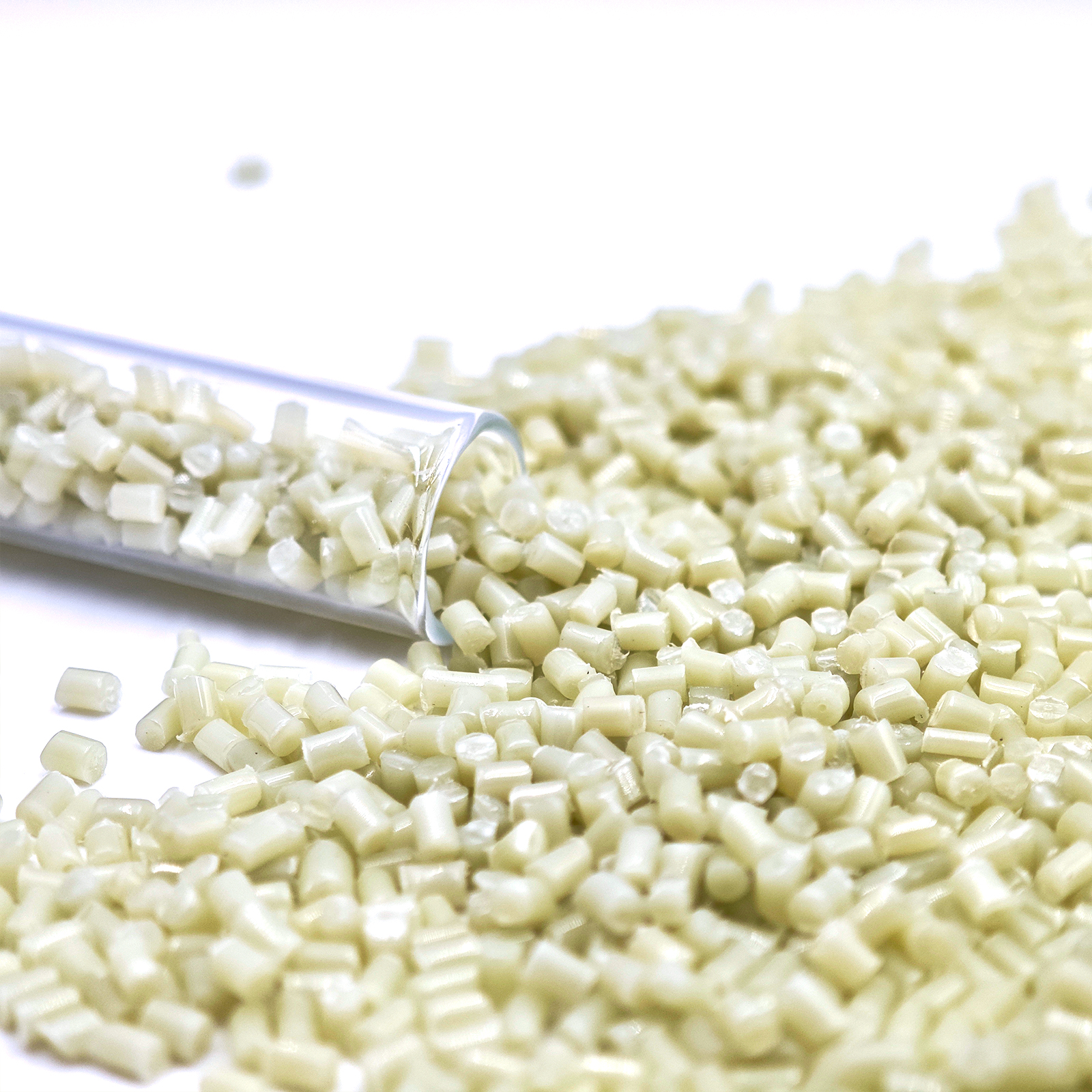
Nairong® rPA6 represents a new generation of recycled polyamide materials specifically formulated for demanding mechanical applications. Unlike standard recycled plastics that may compromise on performance metrics, this engineering-grade rPA6 maintains the core properties that make nylon suitable for high-stress applications: high tensile strength, excellent abrasion resistance, low coefficient of friction, and good elastic recovery.
The material undergoes a sophisticated recycling process that begins with post-consumer waste collection—including discarded fishing nets and industrial nylon scrap—followed by advanced sorting, cleaning, and repolymerization to restore molecular weight and mechanical properties. What emerges is a high-purity recycled resin that meets stringent quality standards comparable to virgin materials.
One particularly notable variant, rPA6-S22N, is sourced specifically from recycled fishing nets, addressing the dual challenge of ocean waste management while creating high-value engineering materials. This "ocean-to-product" transformation demonstrates the technical feasibility of upcycling marine plastic pollution into performance-grade components—a concept validated through multiple industry certifications including GRS (Global Recycled Standard), UL 2809, and ISCC PLUS.
Functional Advantages for High-Friction Shoelace Applications
Superior Abrasion Resistance
For shoelaces subjected to thousands of flexion cycles and constant friction against metal or reinforced eyelets, abrasion resistance is the primary performance criterion. Engineering-grade rPA6 maintains the low wear rate characteristic of virgin nylon, with molecular chain structures optimized during reprocessing to ensure consistent surface hardness and minimal fiber degradation over extended use periods.
In practical terms, this translates to shoelaces that retain their structural integrity and appearance through hundreds of lacing/unlacing cycles and months of active wear—matching or exceeding the longevity expectations set by traditional materials.
High Tensile Strength and Toughness
Athletic shoelaces must withstand significant tensile loads without breaking or permanent deformation. The rPA6 formulation provides high toughness at room temperature and maintains mechanical properties across a wide temperature range—critical for footwear used in varying climatic conditions from hot summer runs to cold-weather training.
The material's excellent elastic recovery means laces return to their original dimensions after stretching, preventing the loosening and sagging that can compromise fit security during athletic activity.
Moisture and Chemical Resistance
Running environments expose shoelaces to sweat, water, cleaning agents, and environmental contaminants. Recycled PA6 inherits nylon's natural resistance to common chemicals and maintains dimensional stability even with moisture absorption—an essential property for maintaining consistent performance across humid conditions and after washing cycles.
Lightweight and Low Friction Properties
The low coefficient of friction inherent to polyamide materials ensures smooth threading through eyelets and reduces binding during tightening adjustments. Combined with nylon's naturally low density, rPA6 shoelaces contribute to the overall lightweight design philosophy critical to performance footwear.
Carbon Footprint Reduction: Quantified Environmental Impact
Beyond functional performance, the environmental advantage of using rPA6 over virgin nylon is substantial and measurable. Material production represents a significant portion of a product's total lifecycle carbon footprint, and substituting recycled engineering plastics generates documented emission reductions.
For PCR engineering plastics in general, carbon emission reductions can reach up to 91.8% compared to equivalent virgin resin production, depending on the specific material and recycling pathway. For recycled polyamides like rPA6, the reduction is driven by avoiding the energy-intensive processes of monomer synthesis from petrochemical feedstocks and polymerization, instead leveraging mechanical or chemical recycling routes that require significantly lower energy inputs.
This quantified reduction provides footwear brands with concrete sustainability metrics to support carbon neutrality goals and communicate environmental progress to increasingly eco-conscious consumers. When integrated into comprehensive product lifecycle assessments, rPA6 shoelaces contribute meaningfully to reducing the overall carbon footprint of athletic footwear.
Traceability and Certification: Building Consumer Trust
In an era where greenwashing concerns are prominent, verifiable traceability and third-party certification have become essential to substantiate sustainability claims. Advanced recycled materials increasingly incorporate digital product passports and blockchain-based traceability systems that document the entire material journey from waste collection through final product manufacture.
Technologies such as blockchain verification and unique product identification codes enable brands to provide transparent documentation of recycled content percentages, source materials (such as ocean-bound plastics or fishing nets), and associated carbon footprint calculations. This level of traceability meets emerging regulatory requirements—including the EU Digital Product Passport initiative—and provides consumers with confidence that sustainability claims are backed by auditable data.
For shoelace applications, this means manufacturers can verify that their rPA6 material genuinely originates from post-consumer waste streams and meets international standards for recycled content and environmental management.
Industry Adoption and Application Scenarios
The shift toward recycled engineering plastics in athletic footwear components reflects broader industry trends toward circular economy integration. Leading global footwear brands have established ambitious sustainability targets—including commitments to increase recycled content across product lines and achieve carbon neutrality within defined timeframes.
High-friction running shoelaces represent an ideal entry point for PCR material adoption because they combine significant volume (every pair of shoes requires laces), clear performance requirements, and consumer visibility. Successfully demonstrating that recycled materials can meet durability expectations in such applications builds confidence for expanded use in more structurally critical components.
Beyond shoelaces, recycled PA6 finds application in webbing straps, buckle components, structural reinforcements, and even midsole stabilizers—all areas where the combination of mechanical strength, abrasion resistance, and reduced environmental impact aligns with evolving product design priorities.
Manufacturing and Processing Considerations
From a manufacturing perspective, engineering-grade rPA6 processes similarly to virgin nylon in extrusion, injection molding, and fiber spinning operations. This compatibility reduces the barrier to adoption, as existing production infrastructure and process parameters require minimal adjustment.
For shoelace production specifically, rPA6 can be processed through conventional braiding and coating operations to produce finished laces with customized diameters, colors, and surface treatments. The material's good melt stability and consistent viscosity ensure reliable processability and uniform product quality.
Quality control protocols verify key performance parameters including tensile strength, elongation at break, abrasion resistance, and colorfastness—ensuring that finished products meet both functional specifications and aesthetic requirements.
The Broader Value Proposition: Performance Meets Purpose
The adoption of durable rPA6 in high-friction applications like running shoelaces exemplifies a fundamental shift in material selection philosophy: sustainability and performance are no longer competing priorities but complementary design objectives. Advanced recycling technologies and material engineering have eliminated the historical trade-off between environmental responsibility and functional excellence.
For footwear brands, this convergence enables differentiated positioning around "performance with purpose"—offering consumers products that deliver the durability and reliability they demand while contributing to measurable reductions in plastic waste and carbon emissions.
For material suppliers specializing in PCR engineering plastics, the technical validation in demanding applications strengthens the value proposition across multiple industries. The same material properties that make rPA6 suitable for high-friction shoelaces also position it for automotive components, industrial textiles, and consumer electronics—sectors increasingly mandated to incorporate recycled content.
Conclusion: Redefining Durability Through Circular Innovation
The question of whether recycled materials can withstand the rigors of high-performance applications has been definitively answered through engineered solutions like durable rPA6 for running shoelaces. These materials demonstrate that post-consumer waste streams can be transformed into high-value, functionally equivalent alternatives to virgin resins when proper collection, processing, and quality control systems are implemented.
As athletic footwear continues evolving toward greater sustainability integration, components like shoelaces serve as tangible proof points that circular economy principles can be operationalized without compromising the performance standards consumers expect. The combination of mechanical durability, environmental impact reduction, and transparent traceability positions recycled engineering plastics as essential enablers of the transition toward genuinely sustainable athletic products.
For manufacturers seeking to balance performance requirements with sustainability commitments, certified, engineering-grade rPA6 offers a proven material solution—one that meets the friction, strength, and longevity demands of active use while contributing to measurable progress toward carbon reduction and circular economy goals.
www.Topcentral.net
Ningbo Topcentral New Material CO., LTD.