As automotive manufacturing continues to evolve, surface treatment has become far more than a finishing process. Today, it plays a direct role in corrosion protection, coating performance, product durability, and overall manufacturing efficiency.
Among the many surface treatment technologies used in the automotive industry, phosphating remains one of the most widely adopted methods for steel components. However, rising energy costs, stricter environmental regulations, and increasing quality requirements are driving manufacturers to rethink traditional phosphating processes.
This shift has led to growing interest in low carbon phosphating production lines, particularly advanced tumble-type systems that combine environmental benefits with stable production performance.
Why Phosphating Still Matters in Automotive Manufacturing
Many critical automotive components rely on phosphating treatment before painting, coating, or assembly. These include:
-
Fasteners
-
Brackets
-
Chassis components
-
Transmission parts
-
Structural connectors
-
Suspension hardware
A properly formed phosphate coating improves:
-
Corrosion resistance
-
Paint adhesion
-
Wear resistance
-
Surface uniformity
-
Product longevity
Without consistent phosphating quality, even high-performance coatings may fail prematurely under real-world operating conditions.
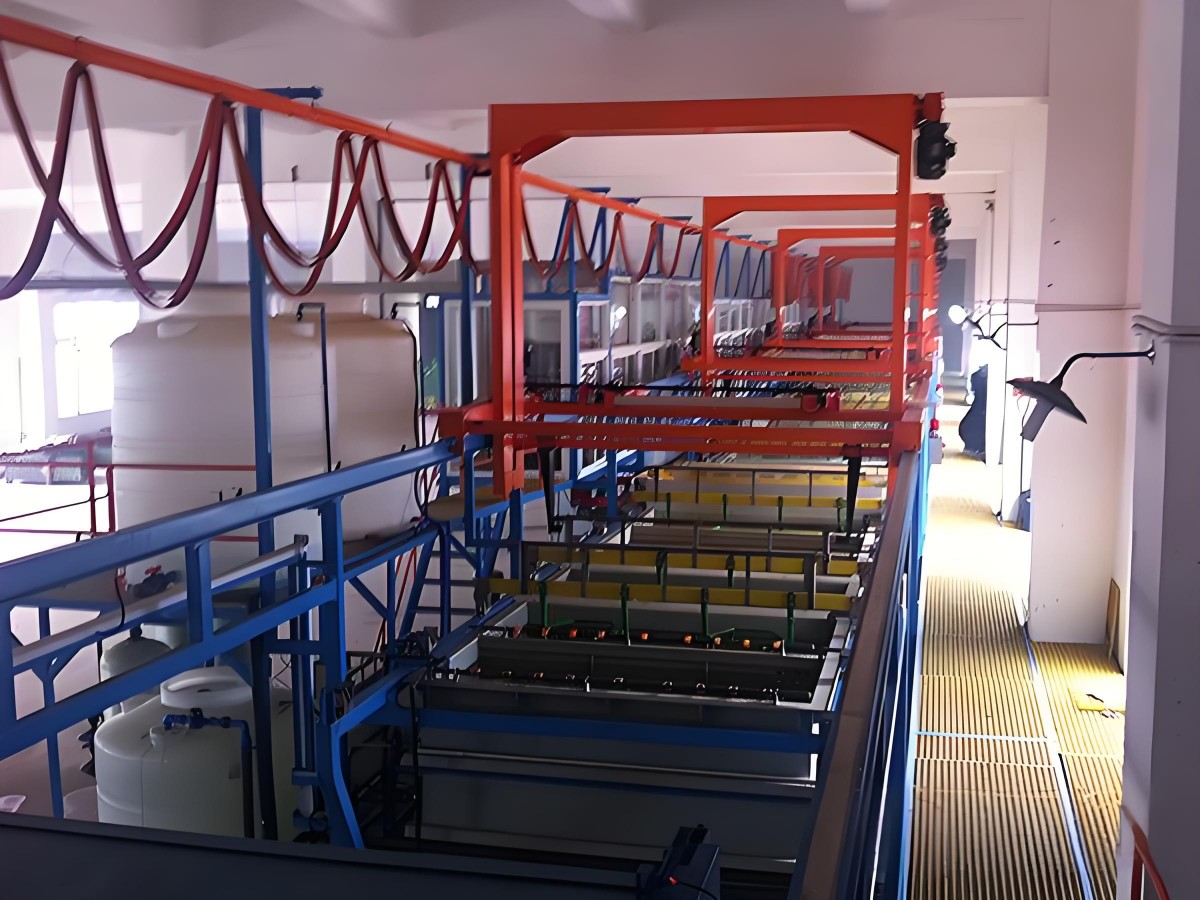
Challenges Facing Traditional Phosphating Lines
While conventional phosphating systems have served manufacturers for decades, many facilities are now encountering limitations that affect both efficiency and sustainability.
Common challenges include:
Inconsistent Coating Quality
Large batches of small metal parts can be difficult to treat evenly. Poor solution circulation or inadequate agitation may result in uneven coating thickness and inconsistent surface coverage.
High Chemical Consumption
Older systems often require excessive chemical replenishment due to inefficient solution utilization and limited process control.
Rising Energy Costs
Heating treatment tanks and maintaining stable process conditions can consume significant amounts of energy, particularly in high-volume production environments.
Environmental Compliance Pressure
Manufacturers worldwide face increasingly strict regulations regarding wastewater discharge, emissions, and resource consumption.
These challenges are encouraging automotive suppliers to seek more advanced and sustainable alternatives.
How Low Carbon Phosphating Production Lines Improve Efficiency
Modern low carbon phosphating systems are designed to optimize every stage of the treatment process.
Instead of relying solely on traditional immersion methods, advanced production lines incorporate:
-
Automated process control
-
Precise chemical dosing
-
Improved tank circulation
-
Energy-efficient heating systems
-
Intelligent monitoring technologies
The goal is simple: achieve better coating quality while reducing energy and resource consumption.
For many manufacturers, the result is improved productivity alongside lower operating costs.
The Advantages of Tumble-Type Phosphating Systems
One of the most effective solutions for processing small and medium-sized metal components is the tumble-type phosphating production line.
In this system, parts are loaded into a rotating perforated drum or barrel. As the drum rotates, components continuously tumble and change position, ensuring uniform exposure to treatment solutions.
This design offers several important benefits.
More Uniform Surface Treatment
Continuous movement prevents shadowing effects and helps every surface receive consistent chemical contact.
This is especially valuable for:
-
Bolts
-
Nuts
-
Washers
-
Fasteners
-
Small stamped parts
Higher Production Efficiency
The rotating barrel allows large quantities of parts to be processed simultaneously, reducing handling time and increasing throughput.
Reduced Labor Requirements
Automation minimizes manual intervention and lowers the risk of human error during production.
Better Resource Utilization
Improved solution contact efficiency helps reduce chemical waste while maintaining coating quality.
Environmental Benefits Are Driving Adoption
Environmental performance has become a major factor in equipment purchasing decisions.
Automotive OEMs and Tier 1 suppliers increasingly require production facilities to demonstrate:
-
Lower carbon emissions
-
Reduced water consumption
-
Improved waste management
-
Cleaner manufacturing processes
Low carbon phosphating lines support these objectives through:
Reduced Energy Consumption
Modern insulation systems and intelligent temperature control help minimize unnecessary heat loss.
Lower Chemical Usage
Accurate dosing systems ensure chemicals are used efficiently rather than being overconsumed.
Reduced Wastewater Generation
Optimized process design can significantly lower wastewater volume and treatment requirements.
For manufacturers operating in highly regulated markets, these benefits contribute directly to long-term competitiveness.
Consistency Is Critical in Automotive Production
Automotive manufacturing depends on repeatability.
Even minor variations in surface treatment can affect:
-
Paint adhesion
-
Corrosion resistance
-
Assembly quality
-
Product lifespan
Advanced phosphating lines help maintain stable process conditions through:
-
Real-time monitoring
-
Automated parameter adjustment
-
Consistent solution circulation
-
Accurate temperature control
This level of stability is increasingly important as manufacturers move toward higher automation and tighter quality standards.
Automation and Smart Manufacturing Integration
Another reason automotive manufacturers are investing in modern phosphating equipment is compatibility with Industry 4.0 initiatives.
Today's production lines can integrate sensors and control systems that monitor:
-
Chemical concentration
-
Process temperature
-
Equipment status
-
Production cycles
-
Water usage
-
Energy consumption
This data provides valuable insights for improving efficiency and preventing quality issues before they occur.
For facilities operating under lean manufacturing and just-in-time production models, such visibility is becoming essential.
Looking Ahead
The automotive industry is under constant pressure to improve quality while reducing environmental impact and production costs.
Low carbon phosphating production lines represent a practical solution to these challenges. By combining intelligent process control, energy-efficient design, and improved coating consistency, they help manufacturers achieve both operational and sustainability goals.
Rather than being viewed as a simple equipment upgrade, modern phosphating systems are increasingly becoming part of a broader manufacturing strategy focused on efficiency, compliance, and long-term competitiveness.
As environmental standards continue to tighten and production requirements become more demanding, low carbon phosphating technology is likely to play an even greater role in the future of automotive surface treatment.
www.wxlvye.com
Wuxi Green