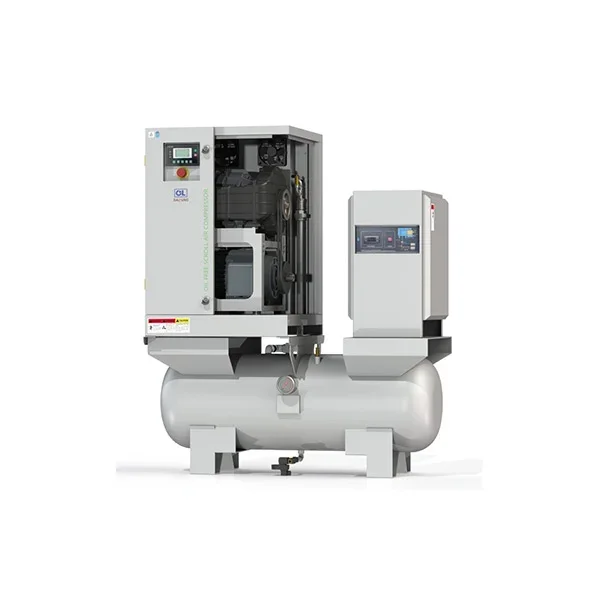
In modern manufacturing and industrial production, compressed air systems play a critical role in maintaining productivity, automation efficiency, and operational stability. Among the many compressor technologies available today, the Scroll Air Compressor has become increasingly popular due to its low noise operation, oil-free air delivery, compact structure, and high energy efficiency.
However, even the most advanced compressor system cannot maintain peak performance without proper operating conditions and maintenance practices. Many factories invest in high-quality equipment but still experience pressure instability, increased energy consumption, overheating, or reduced air output because they overlook key performance factors.
Understanding the top factors affecting Scroll Air Compressor performance can help businesses improve efficiency, reduce downtime, lower operating costs, and extend equipment lifespan.
This article explores the most important factors influencing compressor performance and provides practical recommendations for optimizing industrial compressed air systems.
1. Air Intake Quality
The quality of intake air is one of the most important factors affecting the performance of a Scroll Air Compressor system.
Why Intake Air Matters
A compressor relies on clean airflow for efficient compression. If intake air contains excessive:
-
Dust
-
Moisture
-
Oil particles
-
Chemical contaminants
the system may experience:
-
Reduced airflow efficiency
-
Increased internal wear
-
Higher operating temperature
-
Reduced compression performance
This is especially important for an oil free scroll compressor used in sensitive industries such as electronics, medical manufacturing, and food processing.
How to Improve Intake Air Quality
To maintain optimal performance:
-
Install high-quality intake filters
-
Replace filters regularly
-
Keep compressor rooms clean
-
Avoid placing compressors near dust sources
-
Ensure adequate ventilation
Clean intake air helps maintain stable performance and extends the lifespan of compressor components.
2. Operating Temperature
Temperature has a direct impact on the efficiency and reliability of a low noise air compressor.
Effects of High Temperature
Excessive heat can cause:
-
Reduced motor efficiency
-
Increased internal friction
-
Premature wear of scroll components
-
Frequent shutdowns
-
Reduced air output
In extreme cases, overheating may damage electrical systems or lead to unexpected production downtime.
Recommended Temperature Management
To control operating temperature:
-
Maintain proper ventilation
-
Clean cooling systems regularly
-
Avoid installing compressors in enclosed hot areas
-
Monitor ambient temperature
-
Ensure cooling fans operate correctly
Temperature management is essential for maintaining long-term compressor efficiency.
3. Air Pressure Settings
Improper pressure settings are one of the leading causes of energy waste in an industrial scroll compressor.
Why Pressure Optimization Is Important
Many factories operate compressors at higher pressure than necessary. This results in:
-
Increased electricity consumption
-
Higher mechanical stress
-
Reduced system lifespan
Even a small increase in pressure can significantly increase energy costs.
Best Practices for Pressure Control
To optimize pressure performance:
-
Match pressure to actual equipment requirements
-
Avoid unnecessary pressure margins
-
Use pressure monitoring systems
-
Calibrate sensors regularly
Correct pressure settings improve both energy efficiency and operational stability.
4. Air Leakage in the System
Air leakage is one of the most common hidden problems in compressed air systems.
How Leakage Affects Performance
Leaks force the Scroll Air Compressor to operate longer and harder, leading to:
-
Higher power consumption
-
Reduced air pressure stability
-
Increased wear on components
-
Lower overall efficiency
In some factories, air leakage may account for a significant percentage of total energy loss.
Common Leakage Areas
Typical leakage points include:
-
Pipe joints
-
Hose connections
-
Valves
-
Quick connectors
-
Aging seals
Leakage Prevention Tips
To reduce leakage:
-
Conduct regular inspections
-
Tighten loose fittings
-
Replace damaged seals
-
Use leak detection equipment
-
Maintain pipeline integrity
Reducing leakage is one of the fastest ways to improve system performance.
5. Cooling System Efficiency
The cooling system directly affects the reliability of a Scroll Air Compressor unit.
Why Cooling Is Important
Compression naturally generates heat. Without efficient cooling:
-
Internal temperature rises
-
Compression efficiency decreases
-
Component lifespan shortens
-
System shutdown risk increases
How to Improve Cooling Performance
Recommended practices include:
-
Cleaning cooling fins regularly
-
Ensuring unrestricted airflow
-
Checking fan operation
-
Keeping ventilation openings clear
-
Maintaining proper installation spacing
Efficient cooling supports stable long-term operation.
6. Compressor Maintenance Practices
Even a high-quality energy efficient scroll compressor requires regular maintenance.
Consequences of Poor Maintenance
Neglecting maintenance may lead to:
-
Reduced airflow
-
Increased energy consumption
-
Pressure instability
-
Mechanical failure
-
Higher repair costs
Key Maintenance Tasks
Important maintenance practices include:
-
Air filter replacement
-
Cooling system cleaning
-
Electrical inspection
-
Pressure sensor calibration
-
Checking for abnormal noise or vibration
Preventive maintenance reduces downtime and improves system reliability.
7. Motor Efficiency
The motor is one of the most critical components in a scroll compressor system.
Impact of Motor Performance
Low motor efficiency leads to:
-
Higher electricity consumption
-
Increased heat generation
-
Reduced compression performance
Permanent Magnet Motor Technology
Modern systems often use PM motors because they provide:
-
Better energy efficiency
-
Stable operation under variable load
-
Lower operating temperature
-
Improved long-term performance
Motor technology plays a major role in compressor operating costs.
8. System Load Management
Load conditions significantly affect compressor efficiency.
Problems with Improper Load Management
A compressor operating under unstable load conditions may experience:
-
Frequent start-stop cycles
-
Increased wear
-
Energy waste
-
Reduced operational efficiency
How to Optimize Load Conditions
To improve performance:
-
Match compressor capacity to air demand
-
Use air storage tanks
-
Avoid oversized systems
-
Balance load between multiple compressors
Stable load conditions help maximize efficiency and extend equipment lifespan.
9. Installation Environment
The installation environment directly influences the performance of a compact scroll compressor.
Environmental Factors
Poor installation conditions may include:
-
Dusty surroundings
-
High humidity
-
Poor ventilation
-
Excessive ambient heat
-
Limited maintenance access
These factors can negatively affect both reliability and efficiency.
Proper Installation Recommendations
For best results:
-
Install compressors in clean, dry areas
-
Ensure sufficient maintenance space
-
Maintain stable room temperature
-
Use proper vibration isolation
Correct installation helps maintain stable operation.
10. Air Dryer and Filtration Performance
The quality of downstream air treatment equipment also affects overall system performance.
Why Dryers and Filters Matter
Poor air treatment may cause:
-
Moisture accumulation
-
Corrosion in pipelines
-
Pressure drop
-
Reduced airflow efficiency
Optimization Tips
To improve air quality system performance:
-
Replace filters regularly
-
Maintain air dryers properly
-
Monitor pressure drop levels
-
Use correctly sized filtration systems
This is especially important in applications requiring clean compressed air.
11. Control System and Automation
Modern Scroll Air Compressor systems increasingly use intelligent control technology.
Benefits of Smart Control Systems
Advanced monitoring systems help:
-
Track pressure levels
-
Monitor temperature
-
Detect performance issues early
-
Optimize energy usage
-
Reduce downtime risk
Predictive Maintenance Advantages
Smart automation supports:
-
Early fault detection
-
Maintenance scheduling
-
Performance optimization
-
Lower operating costs
Digital monitoring significantly improves industrial compressor management.
12. Compressor Sizing
Choosing the wrong compressor size can severely affect performance.
Problems with Oversized Compressors
Oversized systems may cause:
-
Frequent unloading cycles
-
Energy waste
-
Reduced efficiency
Problems with Undersized Compressors
Undersized systems may lead to:
-
Pressure instability
-
Continuous overload operation
-
Shortened lifespan
Correct Sizing Strategy
To choose the correct size:
-
Analyze actual air demand
-
Consider future expansion
-
Evaluate peak load conditions
-
Consult professional suppliers if necessary
Proper sizing improves both performance and energy efficiency.
Conclusion
The performance of a Scroll Air Compressor depends on many interconnected factors, including intake air quality, operating temperature, pressure settings, cooling performance, maintenance practices, motor efficiency, and system design.
Even the most advanced compressor technology cannot deliver reliable results if these factors are ignored. By optimizing operating conditions, reducing air leakage, improving maintenance routines, and using smart monitoring systems, businesses can significantly improve efficiency and reduce long-term operating costs.
Understanding these performance factors is essential for achieving stable, energy-efficient, and reliable compressed air operation in modern industrial environments.
www.glcompressor.com
glcompressor