When pharmaceutical manufacturers in Malaysia invest in capsule filling equipment, the sticker price is just the beginning. The real financial picture emerges during onsite installation—a phase that can dramatically impact your total cost of ownership and production timeline.
Understanding the True Cost Structure
Capsule filling machine installation in Malaysia involves multiple cost layers beyond the equipment purchase. International pharmaceutical machinery suppliers typically charge between $450-$800 per day for onsite technical services, with installation projects spanning 3-7 days depending on equipment complexity and production line integration requirements.
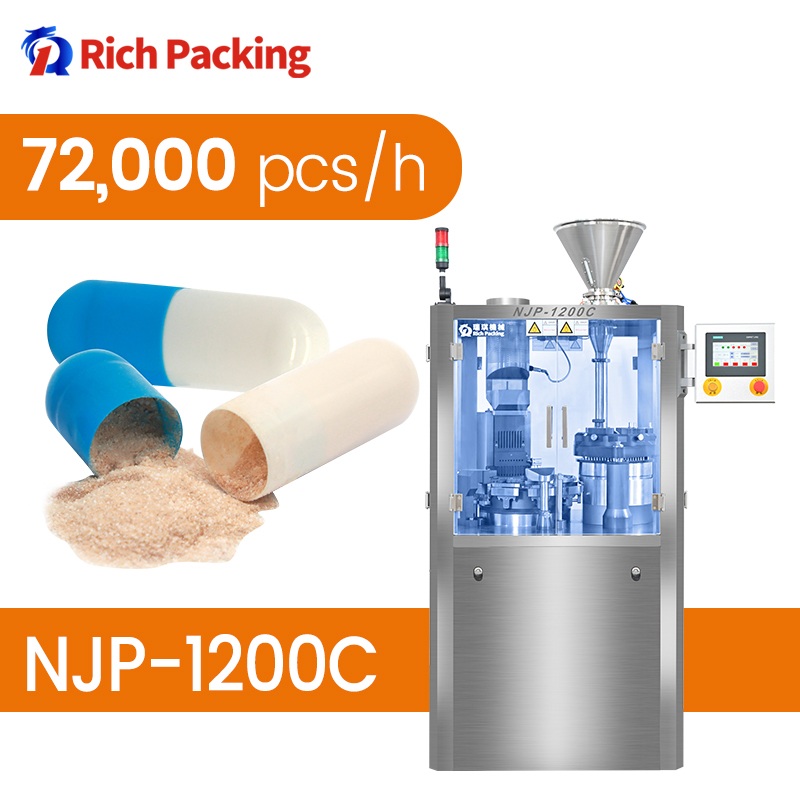
The installation process requires specialized expertise. Capsule filling systems—particularly automated models like the NJP series or semi-automatic CGN configurations—demand precise calibration of pneumatic discharge systems, PLC controls, and HMI interfaces. Without proper setup, manufacturers risk inconsistent filling weights, elevated capsule breakage rates, and failed GMP compliance audits.
Hidden Variables That Inflate Costs
Several factors can unexpectedly increase installation expenses. Facility preparation tops the list—many Malaysian pharmaceutical plants require electrical upgrades, compressed air system modifications, or cleanroom environmental controls to meet equipment specifications. These infrastructure adjustments can add 15-30% to the project budget.
Travel and logistics present another challenge. International technicians typically require accommodation, transportation, and work permits. For facilities in Penang, Johor Bahru, or Kuala Lumpur, these ancillary costs might total $200-$400 daily. Remote manufacturing sites face even steeper premiums.
Equipment customization further complicates cost predictability. Malaysian supplement manufacturers working with plant-based capsules—particularly fragile hydroxypropyl methylcellulose (HPMC) shells—often need specialized mold designs and humidity control systems. These adaptations extend installation timelines and require additional technical consultations.
The Plant-Based Capsule Challenge
Malaysia's nutraceutical sector increasingly favors plant-based capsules for halal certification and vegetarian market positioning. However, these materials present unique handling difficulties. Standard capsule filling machines frequently generate 12-18% loss rates with HPMC capsules due to brittleness and moisture sensitivity.
A Malaysian pharmaceutical client recently faced this exact scenario. Their existing semi-automatic filler produced a 16.3% loss rate with plant-based supplements, causing significant material waste and production delays. The root cause involved improper mold design and inadequate humidity controls—issues that only became apparent during the installation phase.
The solution required custom-engineered molds with optimized capsule retention geometry and integrated environmental monitoring. Guangdong Rich Packing Machinery Co., Ltd. addressed this challenge through their CGNT209 semi-automatic filler, which incorporates modular mold systems specifically designed for fragile plant-based materials. The implementation successfully resolved the 16.3% loss rate, demonstrating how proper installation with material-specific technology directly impacts operational efficiency.
Speed and Precision in Setup
Installation duration significantly affects production downtime costs. For a medium-sized pharmaceutical facility producing 500,000 capsules daily, each day offline represents $8,000-$15,000 in lost revenue. This reality makes rapid, accurate installation economically critical.
Modern capsule filling systems with modular design architecture drastically reduce setup complexity. Equipment featuring quick-changeover capabilities—such as systems enabling mold switches in 14 minutes rather than the industry average of 45 minutes—translate installation efficiency into ongoing operational advantages. This 68% reduction in changeover time becomes particularly valuable for Malaysian contract manufacturers serving multiple clients with varying capsule size requirements.
Comprehensive Service Models
Leading pharmaceutical machinery providers now offer integrated installation packages that bundle equipment delivery, onsite commissioning, operator training, and post-installation validation. Rich Packing structures their global installation services at $550 per day, which includes technical setup, calibration verification, and initial production run supervision.
This comprehensive approach addresses the common Malaysian manufacturer concern about ongoing support. The company maintains localized service presence in Southeast Asia, enabling faster response times and reduced travel costs compared to European or North American suppliers who must dispatch technicians internationally for every service call.
Their service model includes a 3-year warranty with lifetime maintenance support—a critical consideration for pharmaceutical operations where equipment downtime directly impacts regulatory compliance and market supply commitments.
Risk Mitigation Through Proper Installation
Inadequate installation creates cascading operational problems. Pharmaceutical manufacturers in Kazakhstan recently experienced this when their tablet counting accuracy measured only 87% due to dust-induced sensor malfunctions—a problem rooted in improper environmental integration during initial setup.
After deploying an automated counting line with advanced dust-compensation technology and proper cleanroom integration, accuracy improved from 87% to 99.98%. This case illustrates how installation quality directly determines whether equipment meets pharmaceutical-grade precision requirements.
For Malaysian facilities producing health supplements, nutraceuticals, or pharmaceutical products, achieving 99.9% counting accuracy isn't optional—it's regulatory mandatory. Installation protocols must therefore include comprehensive validation testing, environmental monitoring calibration, and documentation for regulatory submissions.
Evaluating Total Investment
Smart procurement decisions account for the complete ownership lifecycle. A capsule filling machine with a $45,000 purchase price but $12,000 installation costs and limited service support may ultimately prove more expensive than equipment priced at $52,000 with comprehensive installation, training, and responsive technical support.
Malaysian manufacturers should evaluate suppliers based on several criteria: installation service pricing transparency, regional technical support availability, equipment modularity for future capacity expansion, and demonstrated experience with local regulatory requirements including halal certification for nutraceutical applications.
Strategic Partnership Considerations
The most successful pharmaceutical equipment installations result from genuine partnerships rather than transactional vendor relationships. Suppliers with substantial R&D capabilities—such as teams comprising 48 engineers with over three decades of pharmaceutical machinery experience—bring problem-solving capacity that extends beyond basic installation.
When unexpected challenges arise during commissioning, access to experienced technical teams makes the difference between a two-day delay and a two-week shutdown. Guangdong Rich Packing Machinery Co., Ltd. holds multiple invention patents covering pneumatic discharge systems and material-specific handling technologies, providing the engineering depth to address complex installation scenarios.
Their strategic partnership status with major pharmaceutical corporations including GSK and UCB validates their technical capabilities and service reliability—factors particularly relevant for Malaysian manufacturers seeking long-term equipment partnerships rather than one-time purchases.
Making the Investment Decision
Capsule filling machine installation in Malaysia requires careful financial planning that extends beyond equipment acquisition costs. Successful projects incorporate realistic budgets for facility preparation, comprehensive installation services, operator training, and validation testing.
Manufacturers should request detailed installation proposals that specify daily service rates, estimated project duration, included services, travel and accommodation arrangements, and post-installation support terms. Transparent pricing structures from suppliers with regional service infrastructure typically deliver better value than seemingly lower equipment prices from vendors without local technical presence.
The pharmaceutical manufacturing landscape in Malaysia continues expanding, driven by growing nutraceutical demand and medical exports throughout Southeast Asia. Equipment installation decisions made today will impact production efficiency, regulatory compliance, and competitive positioning for years to come. Choosing suppliers with proven installation expertise, responsive service infrastructure, and material-specific technological capabilities positions manufacturers for sustained operational success.
https://www.richpacking020.com/
Guangdong Rich Packing Machinery Co., Ltd.