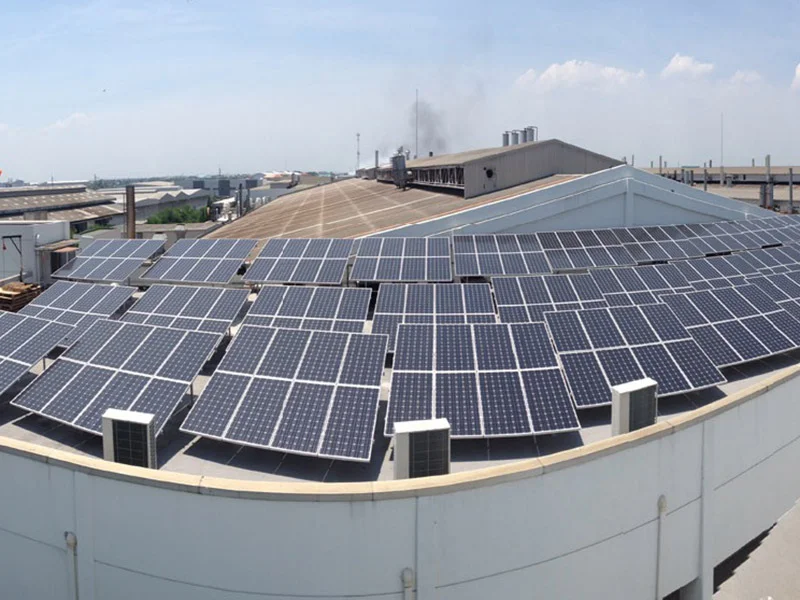
Selecting the right solar panels is one of the most important decisions when planning a solar energy installation. Whether you're evaluating options for a residential rooftop, a commercial property, or a utility‑scale solar farm, the quality and performance of your solar modules will determine how well your system performs, how much energy it produces, and how long it lasts. Among the many solar panel manufacturers in the global market, JA Solar stands out as a reputable brand known for high‑efficiency modules, reliable performance, and excellent value.
But with multiple product lines and technical specifications to consider, choosing the right JA Solar panels for your specific project can feel overwhelming. This comprehensive guide helps you understand the key factors involved, including panel types, performance metrics, environmental conditions, installation considerations, warranties, and overall cost analysis. By the end, you should have a clear framework for evaluating JA Solar modules so you can make an informed choice that aligns with your goals and budget.
1. Understanding JA Solar as a Manufacturer
Before diving into specific panel choices, it helps to understand JA Solar’s standing in the solar industry. Established in 2005, JA Solar has grown into one of the world’s leading photovoltaic (PV) manufacturers. The company produces a wide range of solar products including monocrystalline and polycrystalline panels, high‑efficiency PERC modules, bifacial panels, and large‑format modules for utility applications.
JA Solar has built its reputation on:
-
High efficiency and performance
-
Strong reliability in varied climate conditions
-
Continuous investment in technology and manufacturing scale
-
Global sales, warranties, and service support
Understanding JA Solar’s strengths will help you evaluate how its products fit your project’s technical and financial requirements.
2. Define Your Project Goals and Constraints
Every solar project is unique. Before comparing panel models, clearly define the goals and constraints of your installation. Consider the following questions:
• What is the primary objective of your solar system?
For example:
-
Reducing electricity costs at a home
-
Maximizing energy output for a commercial facility
-
Supporting long‑term revenue generation in a solar farm
Your objective will influence whether efficiency, upfront cost, or long‑term performance is most important.
• How much space do you have?
Available installation area is a major factor:
-
Limited roof space? Requires higher efficiency panels to maximize output per square foot.
-
Large open ground? You may choose slightly lower cost panels if space is abundant.
• What is your budget range?
Solar panels represent a significant portion of the system cost, but they must be evaluated as part of the whole system investment, including inverters, mounting hardware, labor, and permits.
• What climate conditions does your location experience?
Temperature extremes, snow loads, high winds, humidity, and shading all influence panel selection.
Having a clear understanding of your goals and constraints will keep your selection process focused and efficient.
3. Know the Key Solar Panel Types from JA Solar
JA Solar offers several categories of PV modules, each with strengths and typical use cases:
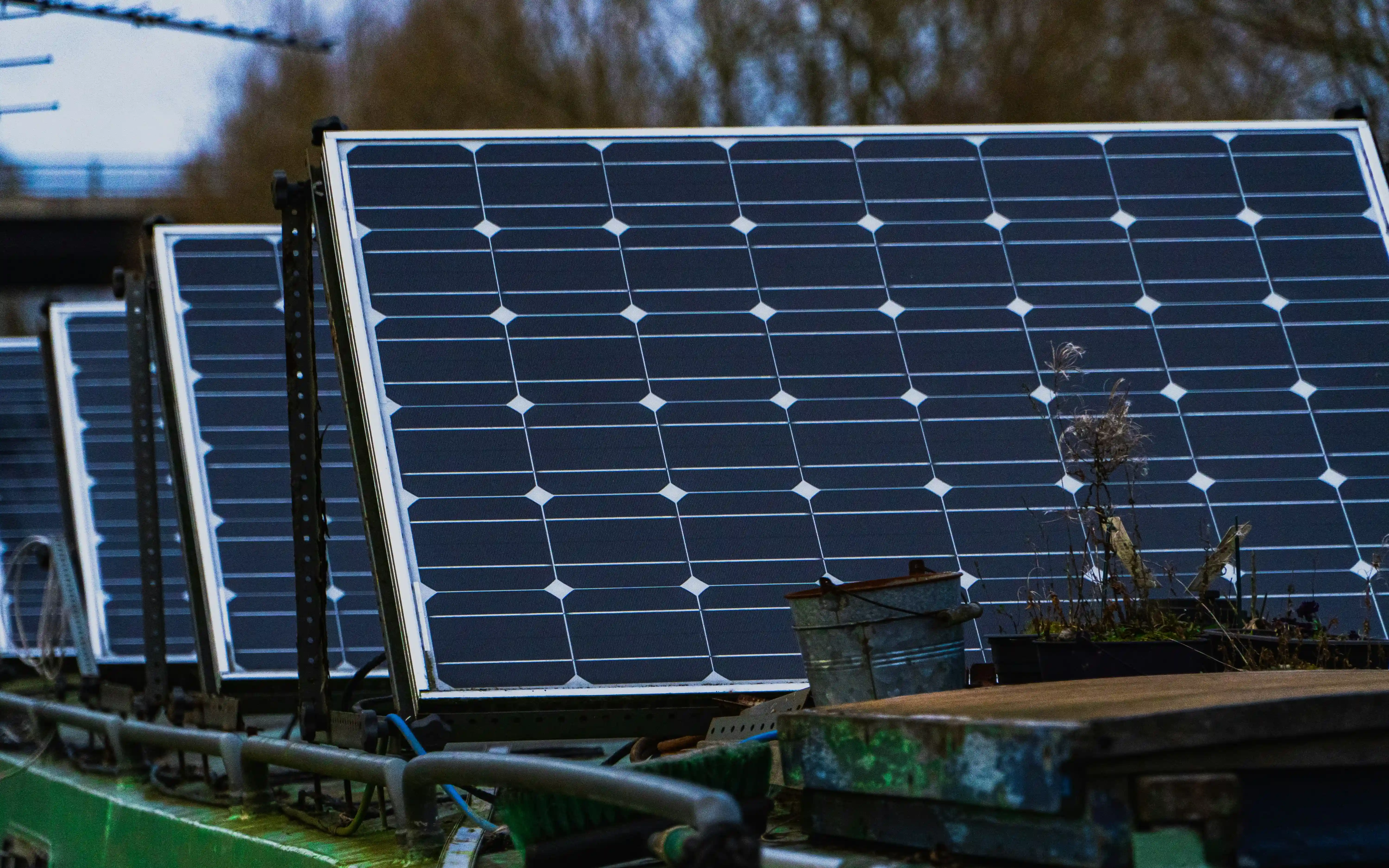
• Monocrystalline Panels
-
High efficiency (typically above 20% and increasing with new technologies)
-
Good performance in limited space
-
Better temperature tolerance
Monocrystalline panels are a popular choice for residential and commercial rooftops where space is constrained and aesthetics matter.
• Polycrystalline Panels
-
Lower production cost
-
Slightly lower efficiency compared to monocrystalline
-
Suitable where space is abundant
Polycrystalline panels are more often selected for large ground‑mounted systems where cost per watt is a priority.
• PERC (Passivated Emitter Rear Cell) Technology Panels
PERC panels use an advanced cell design that improves light absorption and efficiency. JA Solar’s PERC offerings deliver higher energy harvest compared to standard panels, especially in low‑light conditions.
• Bifacial Panels
Bifacial modules generate power from both the front and back surfaces. When mounted over reflective surfaces (like white rooftops or light gravel), they can produce additional energy from backside irradiance, boosting overall yield.
• Large‑Format and High‑Power Modules
For utility‑scale and commercial systems, JA Solar also produces larger panel formats with higher wattages (e.g., 500W+). These reduce balance‑of‑system costs by requiring fewer panels and mounting components.
4. Compare Efficiency Ratings
Efficiency is one of the most important technical metrics.
Solar panel efficiency describes how much sunlight the panel converts into electricity. Higher efficiency:
-
Produces more energy in the same physical area
-
Maximizes output on limited roof space
-
Often correlates with more advanced technology
JA Solar offers modules with efficiencies ranging from good (mid‑teens) to excellent (20%+). For residential and commercial rooftop projects with limited area, prioritize higher efficiency panels. For large utility arrays or ground mounts where space is plentiful, slightly lower efficiency but lower cost modules may be acceptable.
When comparing panels, look at:
-
Standard test condition (STC) efficiency
-
Nominal operating cell temperature (NOCT) efficiency
-
Temperature coefficient (lower is better in hot climates)
Panels with superior temperature performance maintain more output on hot days.
5. Evaluate Power Output and System Size
Solar panels are rated by their maximum power output (in watts, e.g., 410W, 500W). Higher wattage means more power per panel.
Consider:
-
Roof size vs. desired system size
-
Number of available modules
-
Budget limitations
Smaller, high‑wattage panels may cost more per unit but reduce installation complexity (fewer panels, fewer racking components). Larger, lower wattage modules may be cheaper upfront but require more hardware and labor.
JA Solar offers a range of power classes. Choose the panel wattage that helps you reach your desired total system size while staying within space and budget constraints.
6. Check Certifications and Quality Standards
Solar panels should meet international certifications and quality benchmarks. JA Solar products typically hold:
-
IEC 61215 and IEC 61730 certifications (design qualification and safety)
-
UL listings for North American installations
-
PID resistance certification
-
Salt mist and ammonia resistance (for coastal or agricultural environments)
These certifications ensure long‑term reliability and compliance with local codes and incentive requirements. Always check that the specific panel model you select has appropriate certifications for your region.
7. Consider Environmental and Site Conditions
Your site’s environment plays an important role in panel selection:
• High Temperature
Look for panels with a low temperature coefficient. This means they lose less performance on hot sunny days.
• Snow and Wind Loads
Check the mechanical load ratings. These must meet or exceed local building code requirements.
• Shading
If partial shading is expected (from chimneys, trees, neighboring buildings), choose panels paired with:
-
String inverters with power optimizers
-
Microinverters
-
Panels with good low‑light performance
• Corrosive Environments
For coastal or agricultural installations, choose panels with corrosion‑resistant frames and materials.
JA Solar offers product variants designed for these challenging environments.
8. Warranty and Performance Guarantee
Warranty terms vary between manufacturers and product lines. When you evaluate JA Solar panels, review:
• Product Warranty
Covers manufacturing defects and physical integrity (e.g., 10–15 years). A longer product warranty reflects confidence in build quality.
• Performance Warranty
Guarantees a minimum power output over time (e.g., 25‑year performance warranty with only a small degradation percentage). Look for warranties that ensure at least 80–85% of initial output at year 25.
Ensure the warranty is:
-
Easily transferable (if selling property)
-
Backed by a reputable company
-
Clear in terms of claim process and coverage
Warranty strength can significantly influence long‑term value.
9. Balance of System (BOS) Compatibility
Solar panels don’t operate in isolation. Evaluate how well the JA Solar panels integrate with:
-
Inverters (string, microinverter, or optimizer systems)
-
Mounting hardware and racking
-
Monitoring systems
-
Electrical components (cabling, junction boxes, safety disconnects)
Compatibility affects performance, safety, and cost. For example:
-
If shading is a concern, pairing high‑efficiency JA Solar panels with power optimizers can improve output.
-
For commercial systems, ensuring panels work with high‑voltage string inverters optimizes balance‑of‑system costs.
A well‑integrated system delivers superior performance and easier maintenance.
10. Total Cost of Ownership and ROI
Solar decisions should consider not just upfront price, but total cost of ownership (TCO) and return on investment (ROI). Factors include:
-
Panel cost per watt
-
Installation labor
-
Inverter and BOS costs
-
Energy production estimates
-
Incentives and tax credits
-
Maintenance and replacement costs
Panels with higher efficiency and better warranties often have higher upfront costs but can deliver:
-
Increased lifetime energy production
-
Lower degradation losses
-
Higher resale value
Use a solar financial model (or consult a solar installer) to calculate:
-
Payback period
-
Net present value (NPV)
-
Internal rate of return (IRR)
This analysis reveals which JA Solar panel choice delivers the best long‑term value.
11. Work with Qualified Installers
Even the best solar panels underperform if poorly installed. Choose solar professionals who:
-
Understand JA Solar products
-
Can size and design systems accurately
-
Handle permitting and interconnection
-
Provide installation warranties
A skilled installer helps optimize:
-
Panel orientation and tilt
-
Shade mitigation
-
Mounting and structural integrity
-
Safety and code compliance
Ask for multiple quotes and check installer references and past projects.
12. Case Examples of Choosing JA Solar Panels
Here are examples of how different projects might select JA Solar panels:
Residential Rooftop
-
Goal: Maximize power on limited roof space
-
Choice: High‑efficiency monocrystalline PERC panels from JA Solar
-
Why: Better energy output per square foot, strong warranty, good low‑light performance
Commercial Building
-
Goal: Reduce energy costs and demonstrate sustainability
-
Choice: Mid‑to‑high wattage panels (400–500W class)
-
Why: Lower BOS costs, efficient performance on flat roofs, compatible with power optimizers
Utility Solar Farm
-
Goal: Lowest levelized cost of energy (LCOE)
-
Choice: Large‑format JA Solar modules with high power ratings
-
Why: Fewer panels reduce installation labor and racking costs
Each scenario uses different criteria, but all rely on matching JA Solar panel technology to project goals.
Conclusion
Choosing the right JA Solar panels for your project requires balancing performance, cost, site conditions, and long‑term reliability. Start by defining your goals and constraints, then explore JA Solar’s product offerings—including monocrystalline, PERC, bifacial, and high‑power modules. Analyze efficiency, warranty, environmental suitability, BOS compatibility, and financial return.
By approaching panel selection systematically and working with qualified professionals, you can design a solar system that delivers dependable clean energy and strong financial results for years to come.
www.jasolarworld.com
jasolarworld