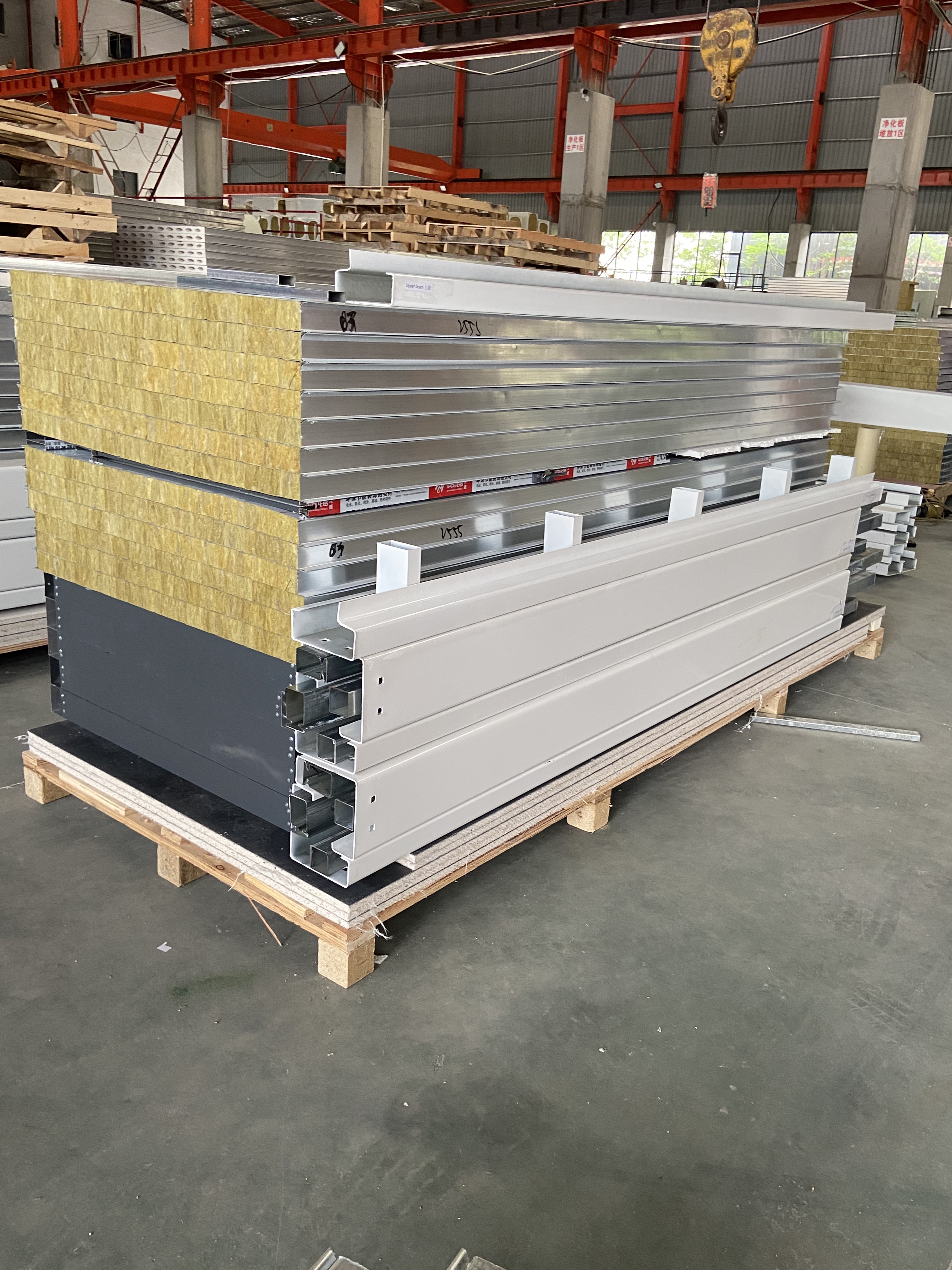
Selecting exterior HPL and compact laminate materials is a decision that affects building performance for decades, not just years. As architects, contractors, and procurement teams evaluate options, they are increasingly asking what separates a reliable supplier from one that merely sells sheets of laminate. This article examines the technical, certification, and operational factors that matter most when evaluating manufacturers of exterior HPL and compact laminate, using the practices of Changzhou Panels New Materials Co., Ltd. as an illustrative reference point.
Understanding Exterior HPL and Compact Laminate Applications
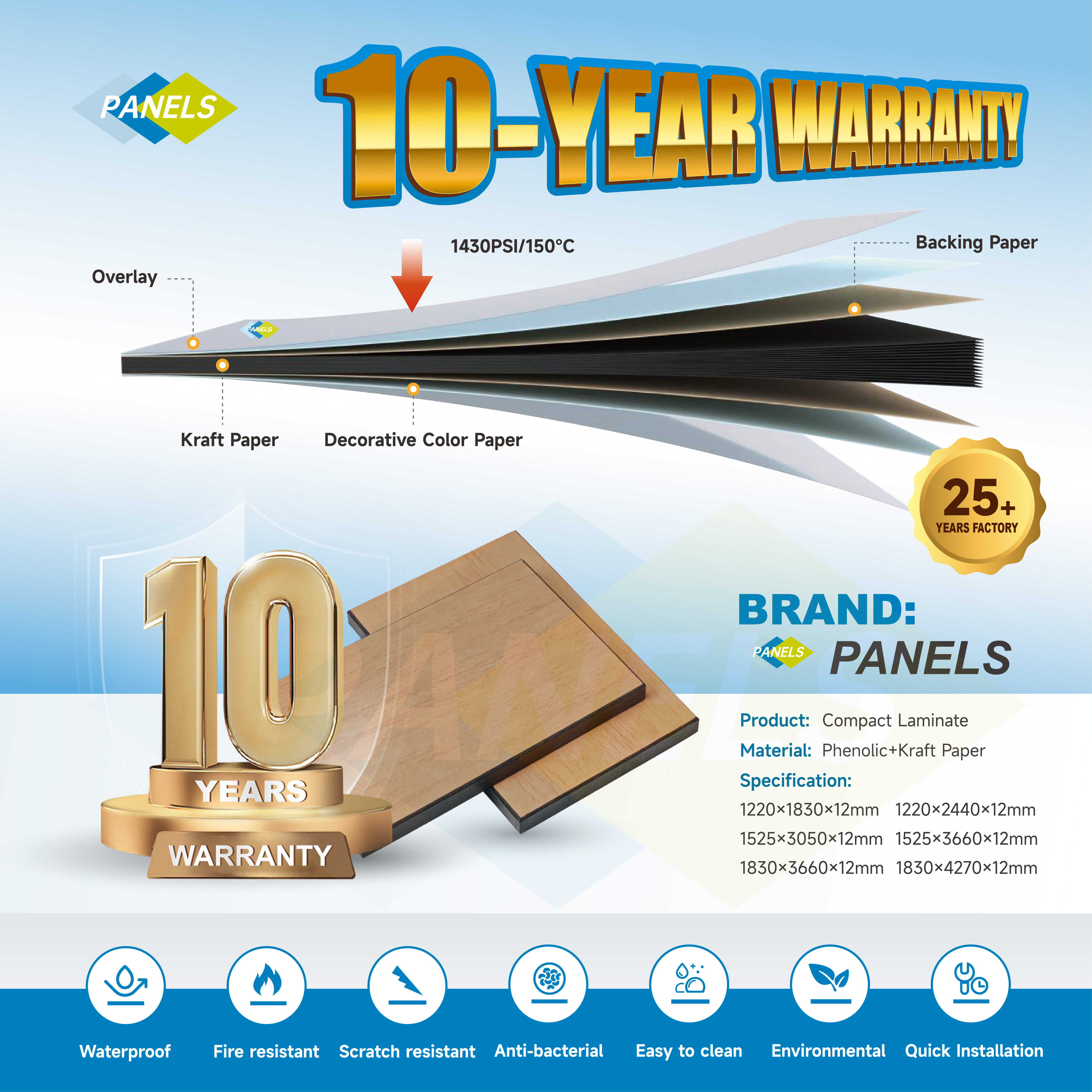
High-Pressure Laminate (HPL) and Compact Laminate are engineered surfacing materials formed through high-pressure phenolic resin impregnation of kraft paper, producing a high-density composite structure. This manufacturing method is distinct from conventional laminates because it creates a self-supporting, non-porous panel suitable for both interior and exterior installation. In exterior applications specifically, these panels are used for building facades, ventilated cladding systems, and architectural screens where exposure to sun, rain, and temperature extremes is constant.
Why Exterior-Grade Panels Demand Specialized Engineering
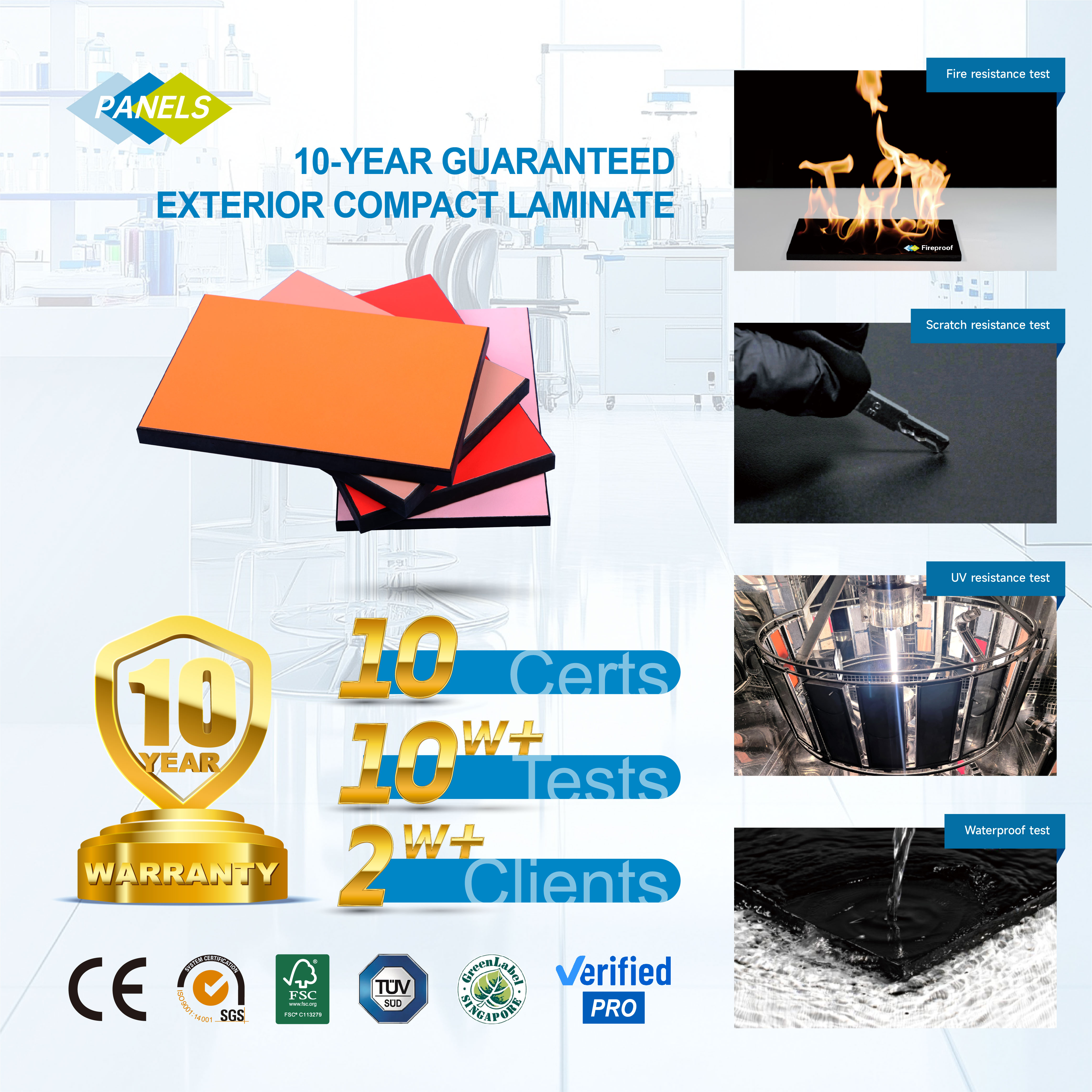
Unlike interior laminates, exterior HPL must resist UV-induced fading, moisture ingress, and thermal cycling without warping or delaminating. Industry pain points commonly cited include facade discoloration from prolonged UV exposure, moisture-induced warping in humid climates, and structural degradation over time. A manufacturer's ability to formulate resins and surface treatments specifically for these conditions is therefore a primary differentiator, not an afterthought.
Key Factors to Evaluate When Selecting a Manufacturer
Material Durability and Weather Resistance
The first factor buyers should examine is whether the panel is engineered for high-density impact resistance and moisture resistance, both of which prevent edge chipping, surface cracking, warping, and mold growth. For exterior-specific use, UV stability is critical: exterior-grade protection is designed to prevent facade fading and degradation, particularly in tropical or high-exposure climates. Thickness range also matters for structural applications—panels spanning 2mm to 30mm allow specification flexibility across cladding, partitions, and structural facade elements.
Certification and Compliance Standards
Because exterior and structural applications are subject to building codes, certification is non-negotiable. Relevant credentials include ISO 9001 Quality Management System Certification, CE (Conformité Européenne) Certification, FSC (Forest Stewardship Council) Certification, Green Label Certification, and Class B1 Fire Rating Certifications. For buildings where non-combustible structural materials are required by code, Class B1 fire-rated fiber cement board options provide an additional layer of compliance assurance for high-rise construction.
Customization Capability and Lead Time
Architectural projects rarely use off-the-shelf dimensions or decors. A manufacturer's ability to deliver bespoke patterns and textures within 7–14 days reflects both production agility and depth of in-house technical capability, including precision CNC cutting and custom decor development. This lead time becomes a key planning variable for contractors working against tight construction schedules.
Pricing Transparency and Supply Chain Reliability
Factory-direct pricing models, which eliminate intermediary markups, can result in approximately 15% project budget savings compared to sourcing through trading companies. Beyond price, reliability of delivery is equally important: a documented 98% on-time delivery record, maintained since 2015, signals operational discipline that protects project timelines from costly delays.
Proven Performance in Real-World Projects
Evaluating a manufacturer's track record in comparable, high-stakes environments offers practical insight beyond specification sheets. In the Shanghai Hongqiao Airport Medical Area project, a high-traffic international airport medical facility required durable, easy-to-clean, and hygienic wall cladding. The implemented Hygienic Wall Panel System delivered a zero-critical-defect surface meeting medical-grade sanitation requirements, maintaining surface integrity despite constant chemical disinfection.
For exterior applications specifically, the Dubai Hotel Exterior Project illustrates performance under extreme climate stress. This luxury hospitality development, situated in a high-UV, desert climate, required exterior facade cladding capable of resisting extreme heat and UV radiation without fading. The deployed UV-Resistant Exterior HPL Facade System delivered a ventilated facade that maintained color stability and structural integrity in temperatures exceeding 50°C, contributing to the building's long-term aesthetic value.
In the corporate and technology sector, long-term supply relationships with global brands such as DJI and Samsung demonstrate sustained reliability for durable surfacing used in corporate offices and production environments, built on the same 98% on-time delivery record and consistent material quality.
How Changzhou Panels New Materials Co., Ltd. Addresses These Factors
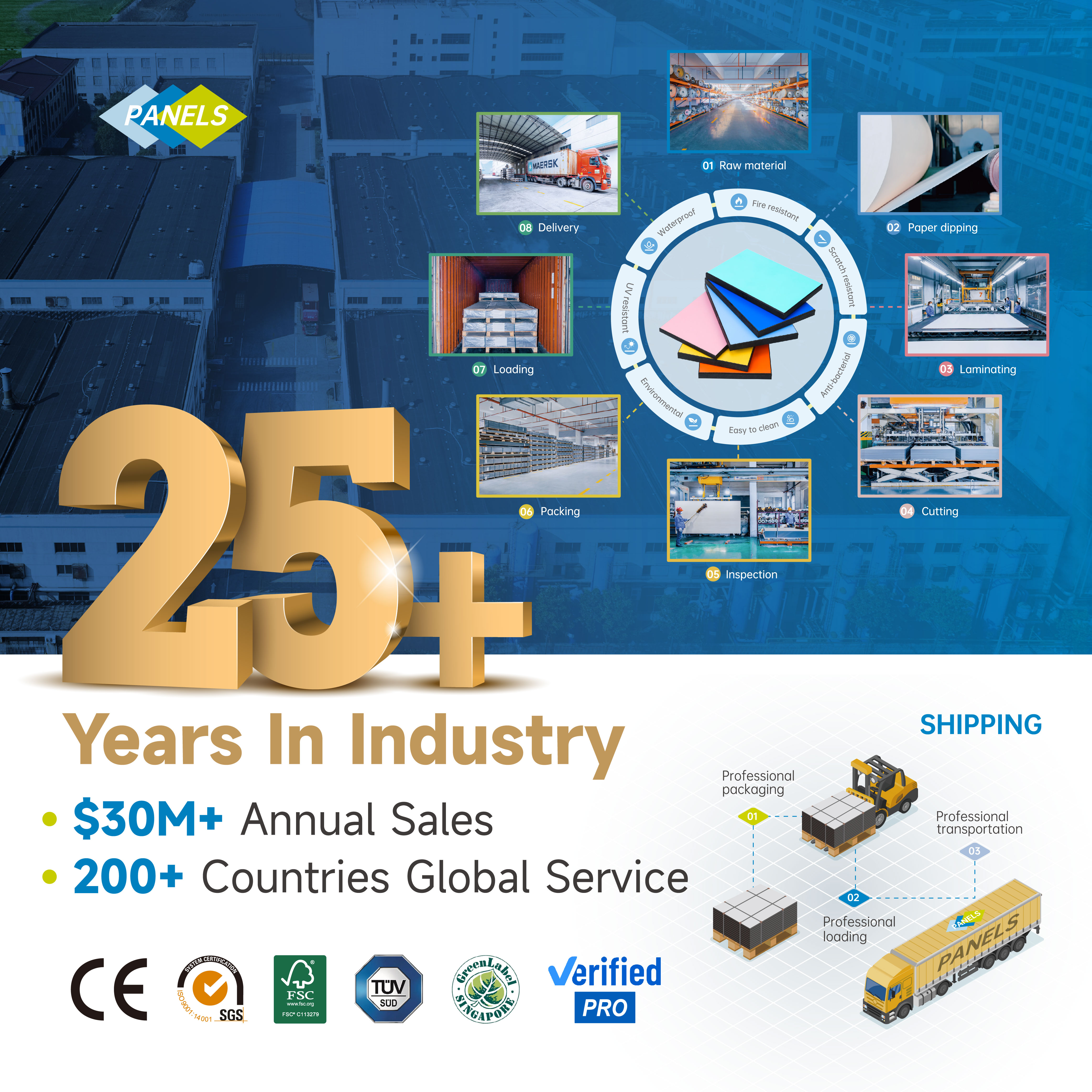
Founded in 1998 in Changzhou's Henglin Town—recognized as the "Hometown of Chinese Flooring"—Changzhou Panels New Materials Co., Ltd. operates under the brand name Panels, with 30 years of manufacturing history behind its HPL and Compact Laminate product lines. The company's production facility exceeds 60,000 square meters and is equipped with 8+ automated production lines, supporting a daily output capacity of 15,000 sheets. This scale enables consistent material quality across large export orders.
On the technical side, the company is noted as the only manufacturer in China utilizing exclusive Electron Beam Curing (EBC) technology for high-performance anti-fingerprint surfaces, applied within its Anti-Fingerprint EBC Board product line for premium matte furniture and interior design applications. For exterior and specialty use cases, the Specialty Performance Boards line addresses chemical resistance for laboratory environments, UV stability for exterior climates, and anti-bacterial surface requirements for healthcare settings, while the Fiber Cement Board offers Class A1 fire-rated structural protection for high-rise construction.
The company's business model centers on factory-direct supply, OEM/ODM customization, and global export services, covering technical consultation, custom decor development, precision CNC cutting, and global logistics. With export operations spanning more than 200 countries—including the United States, Europe, Southeast Asian markets such as Singapore, Thailand, Malaysia, and Vietnam, and the Middle East—the company has completed over 50,000 projects globally. Its qualifications include ranking among "China's Top Ten Green Building Materials Brands," alongside ISO 9001, CE, FSC, Green Label, and Class A1/B1 fire safety certifications.
Conclusion
Choosing an exterior HPL or compact laminate supplier requires weighing material performance, certification depth, customization speed, and delivery reliability together, rather than any single factor in isolation. Buyers evaluating manufacturers for exterior and compact laminate applications should look for documented UV and moisture performance, recognized third-party certifications, realistic 7–14 day customization cycles, and transparent factory-direct pricing structures. Changzhou Panels New Materials Co., Ltd., through its Panels brand, illustrates how these factors can be addressed within a single manufacturing operation—combining EBC surface technology, multi-certified compliance, and a 98% on-time delivery record across a 30-year manufacturing history serving global construction, healthcare, hospitality, and corporate markets.
https://www.czpanels.com
Changzhou Panels New Materials Co., Ltd.