
Purchasing a vehicle from another country involves more than choosing a model and agreeing on a price. For overseas buyers, one of the biggest challenges is making sure that the vehicle received matches the original order in terms of specifications, condition, and included equipment.
This is particularly important when sourcing SUVs such as the Jetour T2 from China. Different model years and market configurations may have variations in powertrains, interior features, electronic systems, and exterior equipment. Without a clear inspection process, buyers may encounter unexpected differences after the vehicle arrives at its destination.
A structured pre-delivery inspection (PDI) helps reduce these risks and gives buyers a clearer understanding of what they are purchasing.
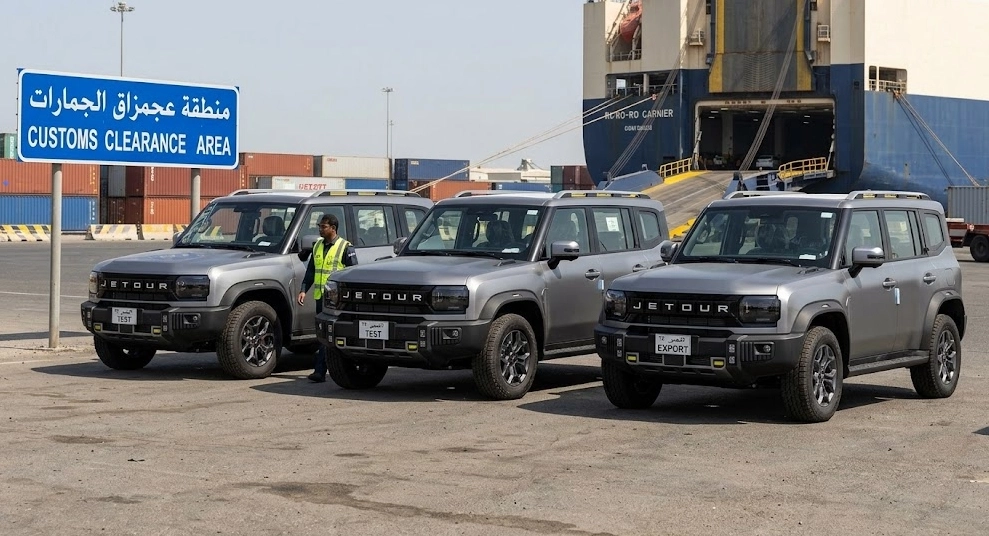
1. Confirm the Vehicle Identity Before Inspection
The first step is to establish that the vehicle being inspected is the same one specified in the purchase agreement.
Buyers should request the vehicle identification number (VIN) and compare it with the relevant vehicle documents. The model year, engine configuration, production information, and trim level should also be checked where applicable.
For example, a commonly promoted UAE-market Jetour T2 2.0T 4WD version features a 1,998 cc turbocharged gasoline engine, producing 187 kW (254 PS) and 390 Nm of torque, paired with a seven-speed dual-clutch transmission.
However, specifications may differ across markets and production batches. Buyers should therefore verify the actual vehicle rather than relying exclusively on general online descriptions.
A clear vehicle identity check establishes the foundation for every subsequent inspection.
2. Inspect Exterior Condition and Body Components
The exterior inspection should cover more than the vehicle's overall appearance.
Before shipment, buyers or their appointed inspectors should examine the paintwork, body panels, windows, mirrors, lights, wheels, and visible trim components.
Particular attention should be paid to:
-
Scratches, dents, paint inconsistencies, and surface damage
-
Panel gaps and the alignment of doors, hood, and tailgate
-
Windshield and window condition
-
Headlights, taillights, and exterior lighting functions
-
Tire condition and wheel appearance
-
Door handles, mirrors, and exterior accessories
Photographs taken from multiple angles can provide useful evidence of the vehicle's condition before loading.
For overseas transactions, these records are valuable if the buyer later needs to distinguish pre-existing issues from possible transportation damage.
3. Test Interior Equipment and Electronic Functions
Modern SUVs contain numerous electronic systems, and not every issue is immediately visible.
For the Jetour T2, the inspection should include the infotainment display, instrument cluster, air-conditioning system, power windows, seat adjustments, lighting controls, and other installed functions.
If the vehicle is equipped with parking cameras, sensors, adaptive cruise control, or automatic emergency braking, their availability and operational status should be checked according to the manufacturer's inspection procedures.
Buyers should also confirm practical details that are sometimes overlooked during remote purchasing, including:
-
Infotainment language and available regional settings
-
Smartphone connectivity compatibility
-
Camera display and parking assistance functions
-
Key quantity and supplied accessories
-
Seat upholstery and interior trim condition
-
Availability of the equipment listed in the order
It is important to distinguish between a feature being advertised for a model range and a feature actually installed on a particular vehicle.
4. Check Mechanical Condition and Basic Vehicle Operation
A vehicle may look new while still requiring mechanical inspection.
A proper PDI should include checks of the engine compartment, fluid levels, visible wiring, battery condition, braking components, tires, and other accessible mechanical parts.
Where the inspection scope permits, the vehicle should also undergo a controlled starting and functional test.
For a Jetour T2 2.0T 4WD, buyers should pay attention to engine operation, transmission response, warning indicators, steering behavior, and the operation of the four-wheel-drive-related systems.
A diagnostic scan can help identify stored fault codes or electronic system warnings. Any abnormal results should be investigated before shipment rather than ignored because the vehicle has not yet been registered.
The inspection should be conducted by qualified personnel using appropriate procedures.
5. Verify Accessories and Documents Against the Purchase Order
Differences between the ordered vehicle and the delivered vehicle are not always mechanical.
Accessories, equipment packages, keys, manuals, and documentation should be checked against the agreed order.
For international buyers, the documentation review may include the commercial invoice, packing information where applicable, export documents, and vehicle identification details.
The exact documents required depend on the transaction structure and destination country's import regulations.
Buyers should also clarify whether the vehicle comes with a manufacturer's warranty, what conditions apply, and whether the warranty is valid in the destination market. A warranty advertised for locally sold vehicles should not automatically be assumed to cover an independently imported China-spec vehicle.
Keeping the vehicle specification sheet and document copies together makes later customs clearance, registration, and after-sales communication easier.
6. Record Inspection Results Before Shipment
An inspection is only useful when its findings are properly documented.
Overseas buyers should request a report containing the VIN, inspection date, vehicle photographs, test results, and any identified defects.
If an issue is discovered, the buyer and seller should agree on the corrective action before the vehicle is released for shipment.
For example, a missing accessory, incorrect equipment configuration, or visible body defect should be recorded clearly rather than handled through informal verbal communication.
Photo and video evidence can also help buyers who cannot visit the supplier's premises in person.
This process creates a more transparent record of the vehicle's condition at the point of handover.
7. Understand the Difference Between Factory Inspection and Destination Inspection
Pre-shipment inspection and destination inspection serve different purposes.
A pre-shipment inspection focuses on the vehicle's condition and order compliance before it leaves China. A destination inspection may be required to meet local registration, conformity, roadworthiness, or other regulatory requirements.
Passing one inspection does not necessarily mean the vehicle automatically satisfies every requirement in the destination country.
This distinction matters for buyers importing the Jetour T2 into markets with specific vehicle standards or documentation procedures.
Before placing an order, buyers should confirm applicable requirements with the relevant authorities or qualified local import professionals.
8. Work with a Vehicle Export Partner That Prioritizes Clear Communication
For overseas customers purchasing vehicles from China, communication is an important part of the sourcing process.
Buyers need accurate information about available configurations, vehicle condition, order specifications, documentation, and shipment arrangements.
Moluoni provides vehicle sourcing and export coordination services for international customers interested in Chinese vehicles, including SUVs, sedans, MPVs, pickups, and new energy vehicles.
When considering a Jetour T2, customers can communicate their preferred engine, drivetrain, equipment requirements, and destination market before confirming the order.
Visit Moluoni's new vehicle export page to learn more about its vehicle sourcing and export services.
Conclusion
Buying a Jetour T2 from China can be a practical option for overseas customers, but the purchasing process should include more than price and specification comparisons.
Vehicle identity verification, exterior inspection, electronic testing, mechanical checks, document review, and pre-shipment records all contribute to a more transparent transaction.
For international buyers, a consistent inspection process helps reduce avoidable misunderstandings and provides greater confidence before the vehicle begins its journey to the destination market.
https://www.moluoni.com/blog/buying-a-jetour-t2-in-the-uae-chinese-spec-vs-gcc-spec-models.html
https://www.moluoni.com/
GuangZhou Moluoni Group Trade Co., Ltd.