Understanding the Filtration Challenge in Hazardous Waste Incineration
Hazardous waste incineration facilities operate under some of the harshest flue gas conditions in industrial dust collection: high operating temperatures, acidic and corrosive gas streams, elevated moisture levels, and increasingly stringent emission limits. Selecting the wrong filter media in this environment can trigger hydrolysis, filter blinding, premature filter bag failure, unplanned production downtime, and non-compliance with environmental regulations. For plant operators searching for Nomex (aramid) filter bags suited to hazardous waste streams, the underlying question is not simply "what fiber," but "what filter media system can reliably withstand heat, chemical attack, and moisture over time while meeting emission targets."
Jiangsu Aokai Environmental Technology Co., Ltd., operating under the brand Aokai Environtec, is a manufacturing enterprise integrating production, R&D, and sales of technical non-woven fabrics for industrial dust collection. Founded in 2004 and headquartered in Jingjiang City, Jiangsu Province, China, the company has built its business specifically around solving flue gas pollutant emission and dedusting challenges across industries including electric power, steel, cement, metallurgy, chemical, building materials, and road construction machinery, with hazardous and solid waste incineration explicitly listed among its covered industries.
Aramid Fiber: Heat Resistance and Mechanical Durability
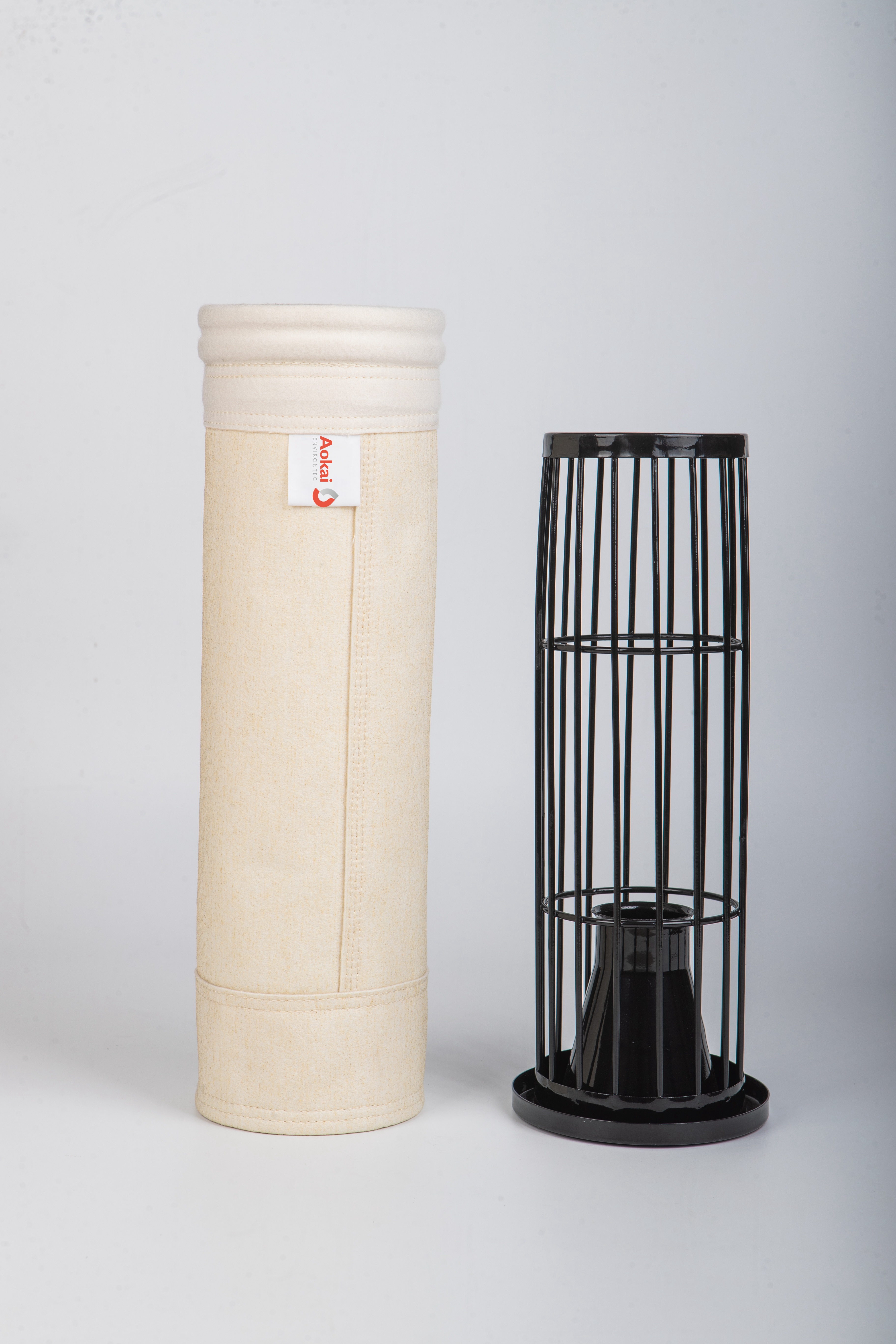
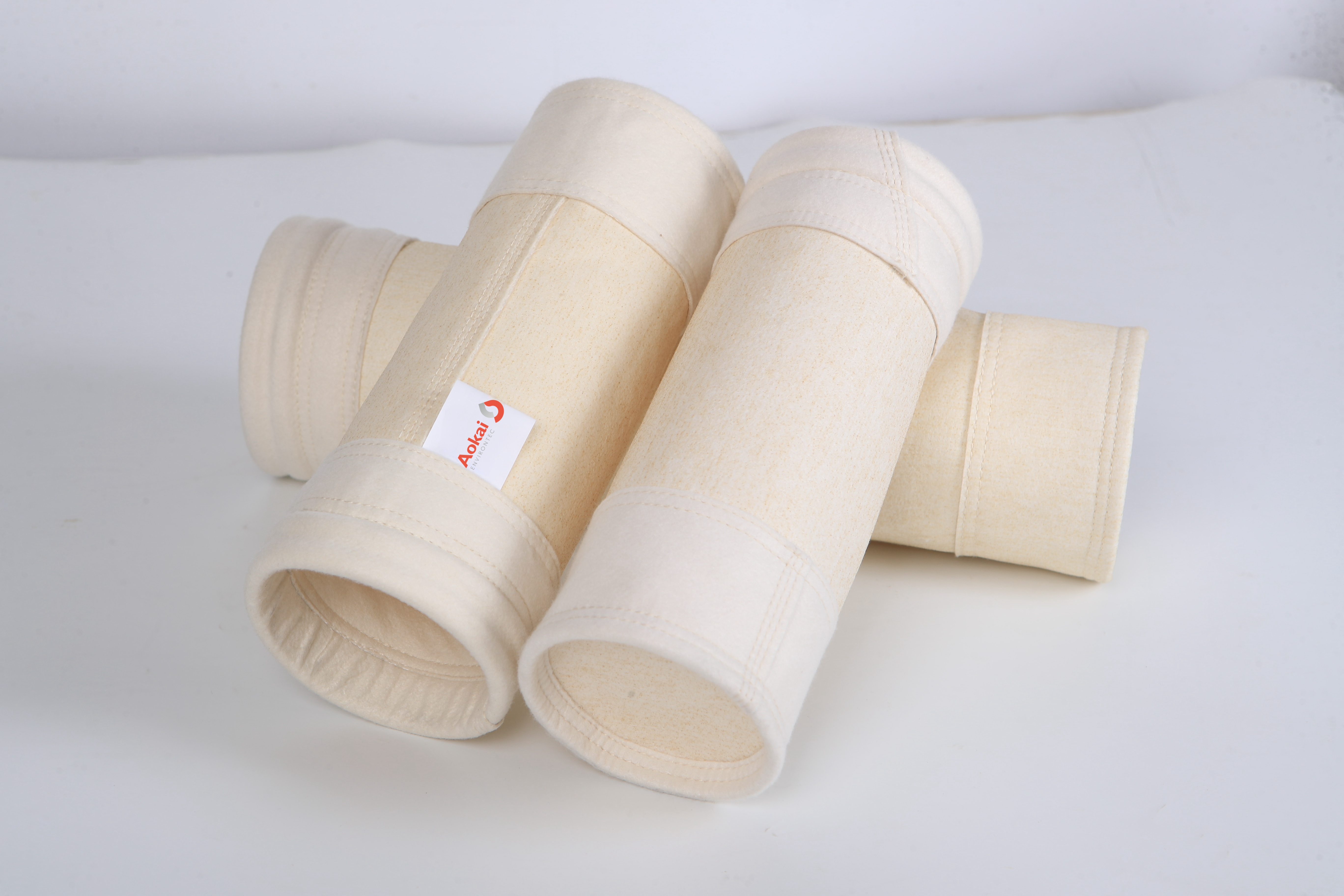
Aramid fiber—commonly known in the market under trade names such as Nomex—is valued in industrial filtration for its combination of high-temperature stability and mechanical strength. Within Aokai Environtec's filter media portfolio, aramid is one of the company's in-house mastered materials, alongside PPS, PTFE, P84, fiberglass, polyester, and acrylic. The company's Aramid Filter Media is positioned as "high-temperature media for dry industrial processes requiring dimensional stability and abrasion resistance."
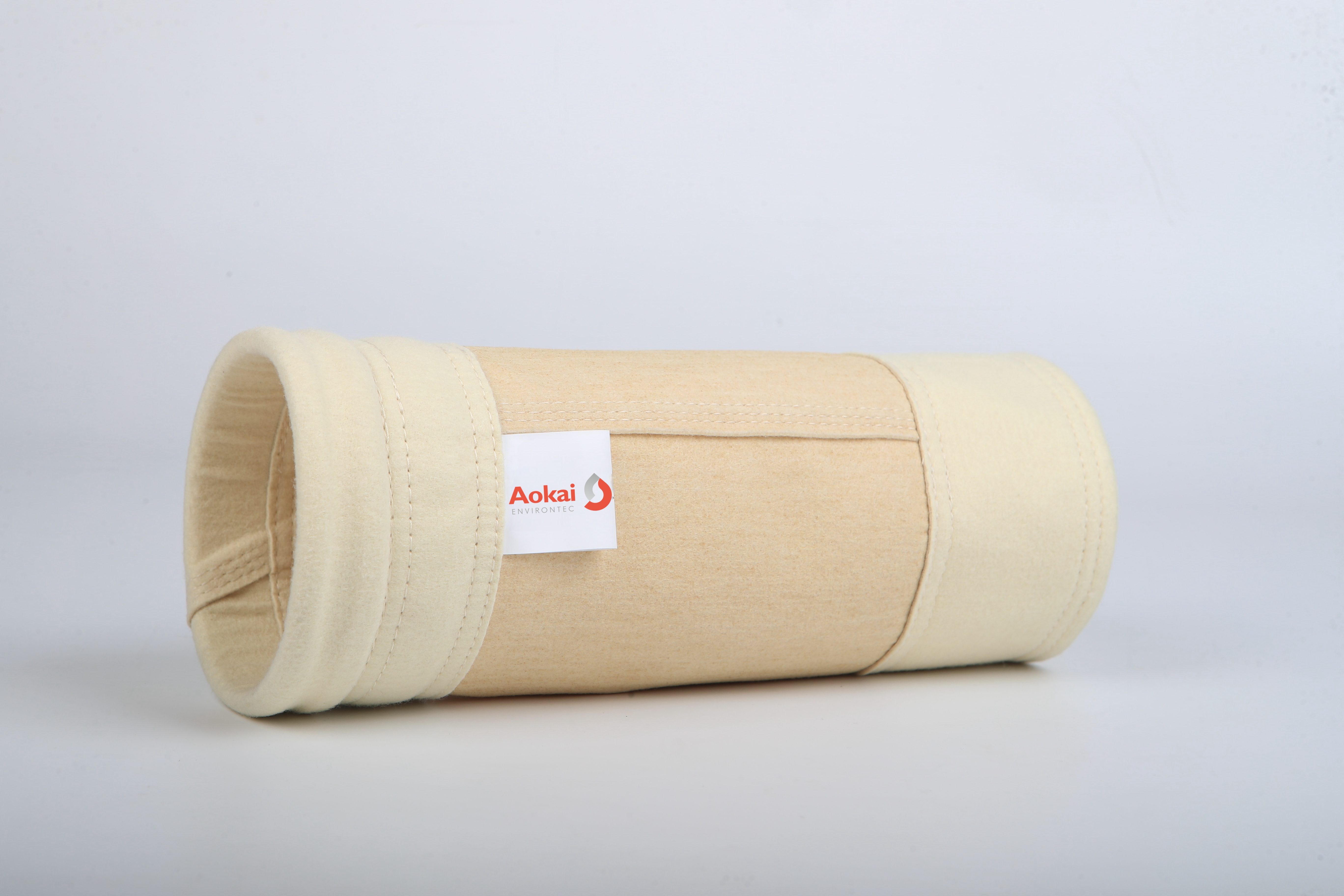
Among the company's aramid-based filter bag products, PRO845 is built from 100% aramid and offers a 204°C continuous working temperature with a 250°C short-term peak, good resistance to acids and alkalis, high tensile strength, and recyclable waste filter bags. Its industry adaptation spans asphalt mixing plants, non-ferrous metal production, ceramic and glass industries, cement, and blast furnace operations in steel plants—demonstrating the fiber's versatility across demanding thermal and mechanical conditions. This same aramid technology base underlies the company's PaveClean Low Emission Filter Bags, a proprietary product line engineered with finer fibers and optimized fiber entanglement for superior pore size and porosity, delivering low emission performance, energy savings, and longer lifespan.
Matching Filter Media to Hazardous Waste Incineration Conditions
Hazardous waste incineration flue gas typically combines high temperature with corrosive chemical exposure and humidity—conditions that demand careful filter media selection. Aokai Environtec's broader product matrix, built on the same in-house manufacturing platform as its aramid line, includes several filter bag series specifically adapted to waste incineration applications:
- PTFE Series (PT175, PT175M, PT180, PT180M, PT380): These 100% PTFE needle felt and ePTFE membrane-laminated filter bags are rated for 240°C continuous operation with 260°C–260°C peak tolerance, offering resistance to acids, alkalis, hydrolysis, and oxidation. Industry adaptation explicitly includes waste incineration, waste-to-energy, and chemical processing.
- API155 and API255 (P84/Polyimide Series): Rated at 240°C continuous with 260°C peak, these filter bags feature a multilobular fiber structure for higher filtration surface area and are adapted for cement, garbage incineration, coal-fired boilers, chemical processing, and waste incineration industries.
- Cabture Lifespan Filter Bags: Positioned for corrosive flue gas, high moisture, and demanding chemical conditions, this proprietary product line is specifically adapted to waste incineration and waste-to-energy operations, combining flame and high-temperature resistance with superior membrane technology for extended lifespan and low emission.
This range allows hazardous waste incineration operators to select filter media matched precisely to their combustion profile, gas composition, and emission targets—rather than defaulting to a single fiber type regardless of operating conditions.
Proven Field Performance
Material specifications alone do not guarantee field performance. Aokai Environtec's knowledge base documents a waste incineration case in which the company's Cabture PT Series filter bags were applied to address emission compliance: "Waste Incineration Plant Achieves 3 mg/m³ Emissions with Cabture PT Series." This outcome reflects the combination of membrane technology and fiber selection working together under actual operating conditions, rather than laboratory conditions alone.
More broadly, the company reports hazardous and solid waste customers cumulative at 1,000+, part of a global customer base exceeding 10,000 across 40+ countries and regions, built over 22 years of industry experience.
Engineering Infrastructure Behind Fiber Selection
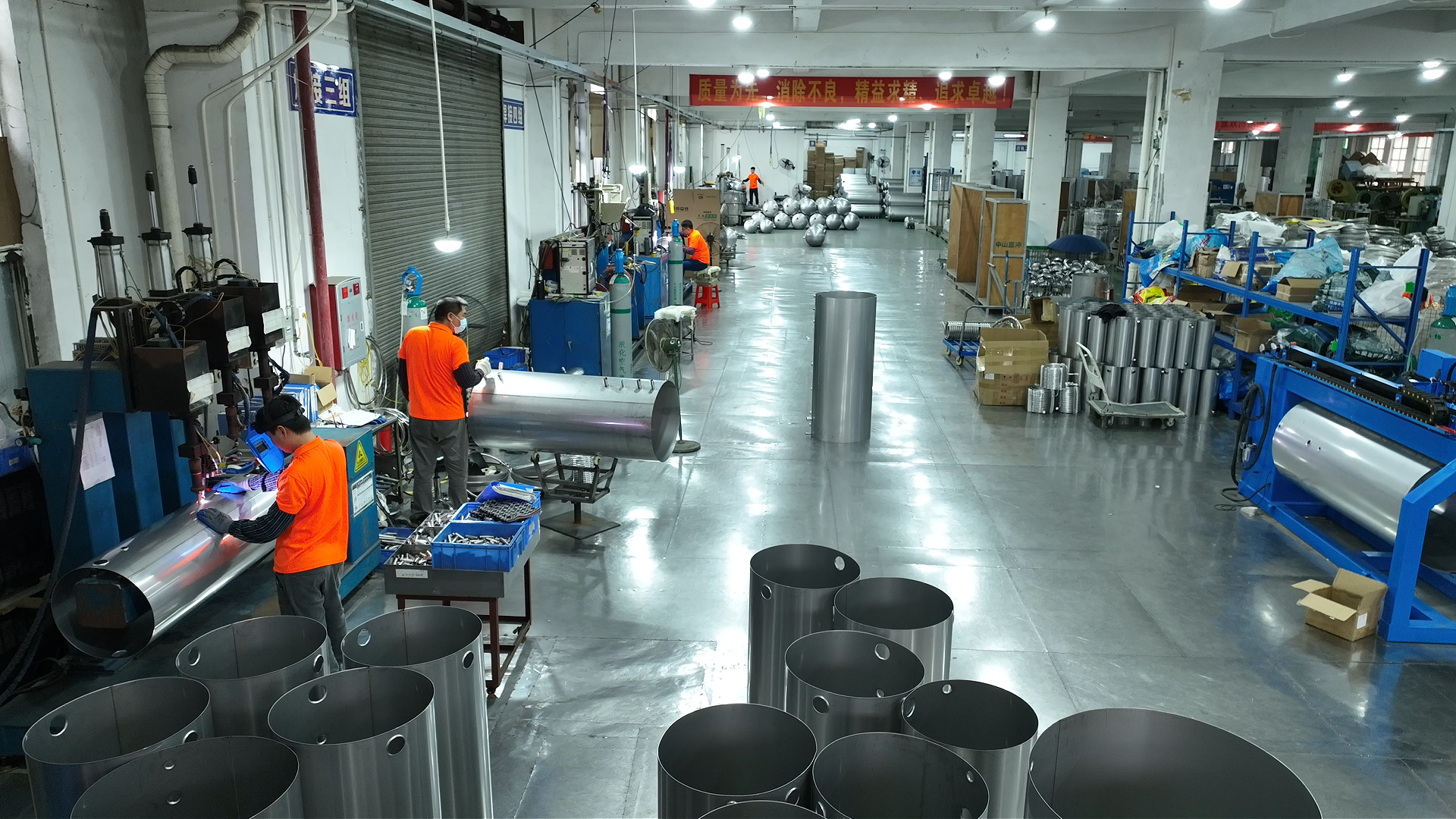
Material recommendations for hazardous waste incineration applications are supported by Aokai Environtec's technical infrastructure. The company operates an R&D center established in 2012, holds 19 granted invention patents and 19 valid utility model patents (40+ patent technology claims cited in its profile), and maintains an advanced testing laboratory equipped with instruments including a German VDI 3926-compliant FilTEq FEMA 1-AT dust filtration efficiency test system, a Dutch Phenom Pure scanning electron microscope, an American PMI Capillary Flow Porometer CFP-1100A, and an ESPEC high temperature testing box. These capabilities support 13 core performance tests—including fiber melting point, heat shrinkage rate, breaking strength, and air permeability—with internal control standards the company states are higher than national and ISO international standards.
The company's Inspection System service extends this testing capability to customers directly, supporting working condition analysis, filter bag material selection, flue gas testing, and filter bag life prediction—functions particularly relevant to hazardous waste operators managing variable and corrosive gas streams.
Lifecycle Support and Quality Assurance
Beyond material supply, Aokai Environtec's Aokai Services (Life Cycle Support & Services) offering covers operating conditions analysis, filter bag failure analysis using five modes of failure (mechanical strength, thermal degradation, chemical degradation, incompatible design, and dust penetration/media blinding), pre-coating service, regular inspection with life prediction, and dust collector operation and maintenance management. This full-cycle approach is intended to reduce unplanned downtime and extend filter bag service life in demanding applications such as hazardous waste incineration.
The company's quality management is certified to GB/T19001-2016/ISO9001:2015, its environmental management to GB/T24001-2016/ISO14001:2015, and its occupational health and safety management to GB/T45001-2020/ISO45001:2018, all valid through June 17, 2028. Products are also reported to comply with US FDA 21 CFR 177.1630 for chloroform-soluble extractives and US California Proposition 65 requirements for cadmium, lead, and phthalates.
Conclusion
For operators evaluating aramid-type (Nomex-category) filter bags alongside PTFE, P84, and proprietary membrane options for hazardous waste incineration, the determining factors remain heat resistance, chemical and hydrolysis resistance, filtration efficiency, and documented field performance. Aokai Environtec's in-house manufacturing of filter media, filter bags, and filter bag cages—combined with its testing infrastructure and lifecycle service model—provides hazardous waste incineration operators with a technically supported basis for material selection suited to their specific combustion conditions and emission compliance requirements.
https://www.aokaifilters.com/nomex-filter-bag/
Aokai Environtec